Oak Titmouse: A Charming Resident of North American Woodlands
The Oak Titmouse (Baeolophus inornatus) is a small, charismatic songbird endemic to the oak woodlands of California and parts of Oregon. Known for its plain appearance yet lively behavior, this bird often captures the hearts of bird enthusiasts and nature lovers alike. This article delves into the characteristics, habitat, behavior, and conservation status of the Oak Titmouse, offering insights into why this seemingly modest bird is such a treasured component of its ecosystem.
Physical Characteristics
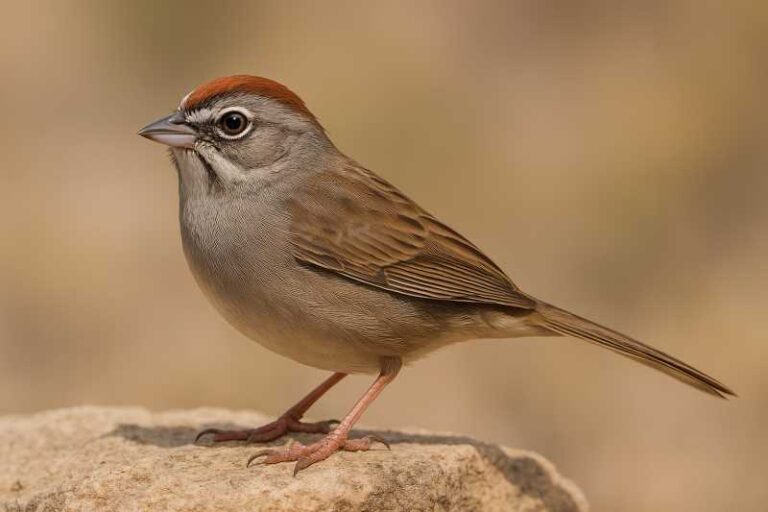
The Oak Titmouse is a small bird, measuring about 5.5 to 6 inches in length with a wingspan of approximately 7.5 to 8.5 inches. It is characterized by its muted gray-brown plumage, which provides excellent camouflage against the bark of oak trees. Despite its understated coloration, the Oak Titmouse has a distinctive crest on its head, which it can raise or lower depending on its mood—a charming feature that adds an element of expressiveness to its appearance.
Habitat and Distribution
Primarily found in the coastal and interior oak woodlands of California, the Oak Titmouse thrives in areas dominated by oak trees, such as blue oak, valley oak, and live oak species. These birds are also present in parts of southwestern Oregon. The oak woodlands provide essential resources such as food, nesting sites, and cover from predators. Unlike many other bird species, Oak Titmice are largely sedentary, with individuals rarely straying far from their established territories.
Behavior and Diet
Oak Titmice are active foragers, often seen flitting through the foliage in search of insects, spiders, seeds, and nuts—particularly acorns. They play a crucial role in controlling insect populations and dispersing seeds, thereby contributing to the health and sustainability of their habitats. The species is known for its vocal nature, producing a variety of calls and songs. The most distinctive is a clear, whistled "peter-peter-peter" call that resonates through their woodland homes.
These birds are monogamous, forming long-term pair bonds. During the breeding season, pairs establish territories and search for suitable nesting sites, typically in natural cavities or abandoned woodpecker holes. The female lays a clutch of 5 to 9 eggs, which are incubated for around two weeks. Both parents are involved in feeding and caring for the chicks until they fledge, which occurs approximately two to three weeks post-hatching.
Conservation Status
The Oak Titmouse is currently listed as a species of Least Concern by the International Union for Conservation of Nature (IUCN). However, its populations are sensitive to habitat destruction and fragmentation, primarily due to urban development and agricultural expansion. Conservation efforts focus on preserving and restoring oak woodland ecosystems, which are vital not only for the Oak Titmouse but also for a myriad of other species.
The Role of Citizen Science
Citizen science initiatives play a vital role in monitoring Oak Titmouse populations. Programs such as eBird and the Audubon Christmas Bird Count provide valuable data that help ornithologists track changes in population dynamics and distribution. Engaging the public in these efforts raises awareness about the ecological importance of preserving native habitats and the species that rely on them.
Conclusion
The Oak Titmouse, with its understated elegance and vibrant personality, serves as a symbol of the rich biodiversity found in North America’s oak woodlands. Protecting this bird ensures the preservation of the intricate web of life that defines these unique ecosystems. By understanding and appreciating the Oak Titmouse, we take a step towards safeguarding the natural heritage that is vital for the well-being of our planet.
Bird enthusiasts and conservationists alike are encouraged to continue supporting measures that protect the Oak Titmouse and its habitat, ensuring that future generations can enjoy the presence of this delightful bird.
Related posts