The Enigmatic Juniper Titmouse: A Glimpse Into Its Natural Habitat
The Juniper Titmouse (Baeolophus ridgwayi) is a small passerine bird belonging to the family Paridae, known for its distinctive crest and lively demeanor. This species, native to the western United States, offers a fascinating glimpse into the unique ecosystems of the arid juniper woodlands it inhabits. Often overshadowed by more flamboyant avian species, the Juniper Titmouse is a remarkable example of adaptability and ecological importance.
Description and Identification
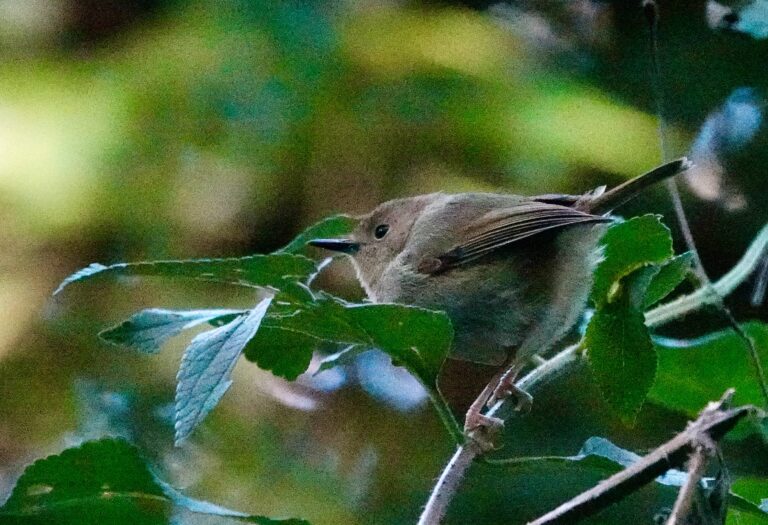
The Juniper Titmouse is a modestly sized songbird, typically measuring about 5.5 inches in length. Its plumage comprises primarily grayish tones, with a paler underbelly. One of the most distinguishing features of this bird is its pointed crest, which can be raised or lowered depending on its mood or level of excitement. This titmouse has a relatively large head, a short neck, and a stout bill, which it uses adeptly to forage for insects and seeds.
Despite its subtle coloring, the Juniper Titmouse is a lively and active presence in its environment. Its call is a series of quick, raspy notes that carry well through the open woodlands it frequents. This vocalization plays a crucial role in communication between mates and in establishing territorial boundaries.
Habitat and Distribution
The Juniper Titmouse is primarily found in the Great Basin region, extending across parts of Nevada, Utah, Arizona, Colorado, and New Mexico. Its preferred habitat is the pinyon-juniper woodland, which provides ample shelter and food resources. These environments are characterized by the presence of juniper trees, which are essential not only for nesting but also for the bird’s diet.
Juniper woodlands are unique ecosystems that thrive in arid conditions. The Juniper Titmouse has adapted well to these habitats, utilizing the trees for both nesting and foraging. It typically builds its nest in natural cavities or old woodpecker holes, lining them with soft materials such as feathers, fur, and plant fibers. This choice of nesting site offers protection from predators and harsh weather conditions.
Diet and Foraging Behavior
The diet of the Juniper Titmouse is omnivorous, consisting mainly of insects, seeds, and berries. During the breeding season, insects constitute a significant portion of their diet, providing the necessary protein for growing chicks. Outside of the breeding season, the bird shifts its diet more towards seeds and berries, taking advantage of the abundant juniper berries available in its habitat.
Foraging behavior is characterized by agility and persistence. The Juniper Titmouse often flits among branches, pecking at bark and foliage to uncover hidden insects. Its strong, pointed bill is well-suited for cracking open seeds, making it an efficient forager in its juniper-dominated environment.
Conservation Status and Challenges
Currently, the Juniper Titmouse is classified as a species of Least Concern by the International Union for Conservation of Nature (IUCN). However, its reliance on specific habitats makes it vulnerable to environmental changes. Urban development, land conversion for agriculture, and climate change pose significant threats to its natural habitat.
Conservation efforts focusing on habitat preservation are paramount to ensuring the survival of the Juniper Titmouse. Protecting the integrity of pinyon-juniper woodlands will not only benefit this species but also the myriad of other flora and fauna that rely on these ecosystems.
Conclusion
The Juniper Titmouse, with its understated beauty and ecological significance, serves as a reminder of the intricate balance within natural habitats. As an indicator species, its presence and health reflect the overall condition of its environment. Continued research and conservation efforts are essential to preserve the delicate ecosystems that support the Juniper Titmouse and other wildlife. By understanding and protecting these environments, we ensure that the subtle song of the Juniper Titmouse continues to be heard across the western landscapes of the United States.
Related posts