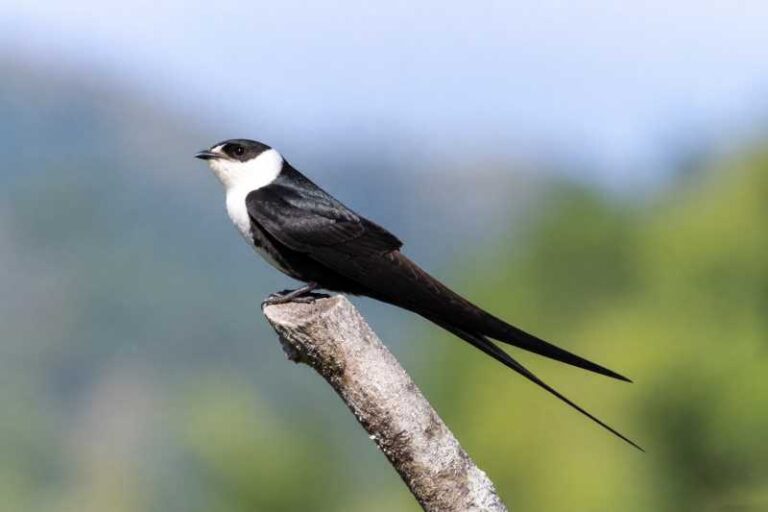
Among Australia’s most visually arresting and behaviourally fascinating birds, the Regent Bowerbird (Sericulus chrysocephalus) stands out as both a dazzling symbol of avian beauty and a master of architectural artistry. Endemic to the subtropical rainforests and wet sclerophyll forests of eastern Australia, this species is celebrated for its vivid plumage, remarkable courtship displays, and intricate bower constructions. For birdwatchers, naturalists, and researchers alike, the Regent Bowerbird is a true jewel of the Australian forest canopy.
Identification and Sexual Dimorphism
The Regent Bowerbird displays one of the most dramatic examples of sexual dimorphism in the bird world. The male is an unmistakable sight, with a glossy black body contrasted by a golden-yellow crown, mantle, and wing patches, along with a bright yellow bill and striking yellow eyes. This high-contrast colouration is not only visually stunning but also serves to attract females during the breeding season.
In contrast, the female is more cryptically coloured—a mixture of brown and buff streaks, with pale underparts and a duller version of the yellow eye. This subdued plumage helps her remain inconspicuous while nesting in dense vegetation, a vital adaptation given her solitary nesting behaviour.
Distribution and Habitat
The Regent Bowerbird is found along the eastern coast of Australia, from central Queensland to northeastern New South Wales. Its preferred habitat includes subtropical and temperate rainforests, wet sclerophyll forests, and dense gullies, particularly in areas with a rich diversity of fruiting trees.
Prominent regions for the species include the Lamington Plateau, Dorrigo National Park, Border Ranges, and the Gondwana Rainforests of Australia—World Heritage-listed areas that offer the ideal mix of food, cover, and nesting resources.
Although generally sedentary, some seasonal movement occurs in response to fruit availability, with individuals sometimes venturing into nearby gardens and forest edges.
Behaviour and Bower Building
The Regent Bowerbird belongs to the family Ptilonorhynchidae, a group known for the unique and elaborate structures males build to attract mates. However, unlike some bowerbird species that construct avenue or maypole bowers, male Regent Bowerbirds create a “mat-type” bower. This consists of a flattened platform of twigs and plant matter, often decorated with colourful objects such as berries, flowers, snail shells, and man-made items like plastic or glass.
Courtship involves not only the visual allure of the male’s plumage and decorated bower, but also his vocal repertoire. Males perform complex songs, mimicry of other bird calls, and choreographed movements around the bower to impress potential mates.
Importantly, the bower is not used for nesting. Once mating has occurred, the female departs to build a separate nest of twigs and leaves in dense foliage, often high above the ground.
Feeding Ecology
Regent Bowerbirds are primarily frugivorous, feeding on a wide range of rainforest fruits, berries, and figs. They also consume insects and other small invertebrates, particularly during the breeding season when additional protein is essential for chick development.
Their role as seed dispersers is ecologically significant, contributing to forest regeneration and the maintenance of plant diversity in their habitat.
Bower sites are typically located near rich fruiting areas, ensuring males can maintain condition and attract females throughout the courtship season.
Breeding and Nesting
Breeding typically occurs from September to February, aligning with the peak of fruit abundance in the rainforest. After mating, the female constructs a deep, cup-shaped nest in a well-concealed spot, often supported by a fork in a tree or dense shrub. She lays one or two eggs and undertakes all incubation and chick-rearing duties alone.
Incubation lasts about 20 days, and the chicks fledge after approximately three weeks, though they may remain near the female for a short period after leaving the nest.
Conservation Status
The Regent Bowerbird is currently listed as a species of Least Concern on the IUCN Red List. Its population is considered stable, and it benefits from significant protection across its range, particularly within national parks and conservation reserves.
Nonetheless, threats persist in some areas, including:
- Habitat loss due to logging and land clearing
- Predation by introduced species such as cats and foxes
- Climate change, which may affect fruiting patterns and nesting success
Conservation of rainforest habitat and continued monitoring are essential to safeguard this iconic species into the future.
Ecotourism and Cultural Significance
The Regent Bowerbird is a flagship species for Australian rainforest ecotourism. Its vivid plumage and fascinating bower-building behaviour make it a sought-after species for birdwatchers and wildlife photographers.
In Indigenous Australian culture, birds like the bowerbird have long been recognised for their intelligence and role in the forest ecosystem. The Regent Bowerbird, with its regal appearance and elaborate courtship, exemplifies the deep connection between species and habitat in these biodiverse ecosystems.
Conclusion
The Regent Bowerbird is more than just a visually stunning rainforest resident. It is a complex, intelligent, and ecologically important species whose artistic courtship and striking appearance captivate all who are lucky enough to encounter it. As long as Australia’s rainforests are preserved, this golden-crowned artist will continue to enrich the treetops with its colour, calls, and creativity.
Related posts