Haida Ermine (Mustela haidarum): The Elusive Island Predator
Introduction
The Haida Ermine (Mustela haidarum) is a fascinating yet lesser-known member of the mustelid family, native to the coastal regions of British Columbia, Canada. This small carnivorous mammal, also known as the Haida Gwaii ermine, is unique to the Haida Gwaii archipelago. Its distinctive adaptations to island life and its ecological role as a predator of small mammals and birds make it a vital component of its ecosystem. This article delves into the various aspects of the Haida Ermine’s life, including its physical characteristics, habitat preferences, behavior, and conservation status.
Physical Description
The Haida Ermine is a diminutive yet agile predator, characterized by a slender body, long neck, and short limbs. It typically measures between 170 to 330 mm in body length, with a tail adding an additional 75 to 120 mm. Weighing between 60 to 120 grams, males are generally larger than females. The species exhibits sexual dimorphism not only in size but also in coloration.
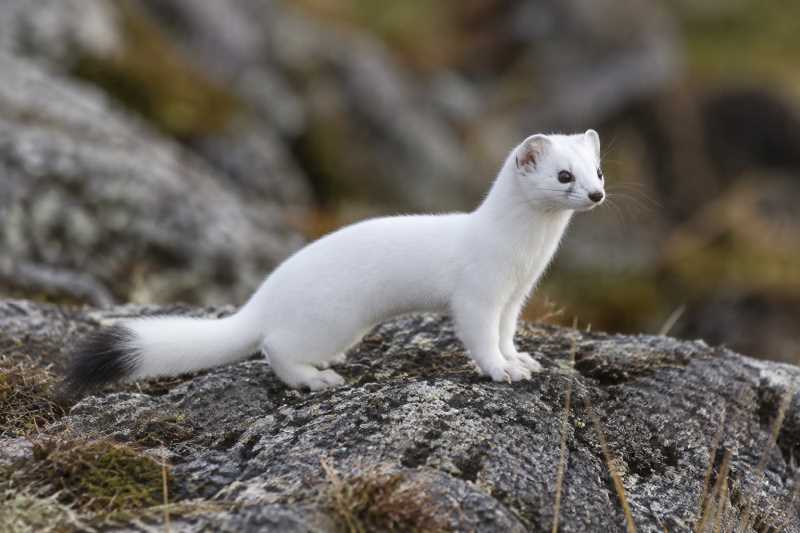
In summer, the Haida Ermine’s fur is a rich chocolate brown on the upper parts and creamy white on the underside. This coloration allows it to blend into its forested environment, aiding in stealth and ambush hunting. During winter, its coat turns almost entirely white, except for the tip of its tail, which remains black. This seasonal change provides camouflage against snow-covered landscapes, though the snow is less prevalent in its island habitat compared to mainland regions.
Range and Habitat
The Haida Ermine is endemic to the Haida Gwaii archipelago, a group of islands off the northern coast of British Columbia. The islands are known for their rich biodiversity and unique ecosystems, shaped by isolation and distinct climatic conditions. Haida Ermines are primarily found in lowland areas, favoring dense coniferous and mixed-wood forests, which offer ample cover and hunting opportunities.
These forests are dominated by Sitka spruce, western hemlock, and western red cedar, providing a complex, multi-layered environment that supports a variety of prey species. The understory, rich with ferns, shrubs, and fallen logs, provides excellent cover for the ermine as it hunts. Although primarily terrestrial, the Haida Ermine is known to climb trees in pursuit of prey or to escape predators.
Behavior and Diet
The Haida Ermine is a solitary and territorial animal, with individuals maintaining exclusive hunting ranges that they fiercely defend from others. It is primarily nocturnal, though it may be active during the day in areas with little human disturbance.
Its diet is carnivorous, consisting mainly of small mammals such as voles, shrews, and mice, which it effectively hunts using its keen sense of smell and agile body. The Haida Ermine is also known to prey on birds, eggs, and occasionally insects, depending on availability. Its hunting strategy involves stalking and ambushing prey, often using speed and surprise to capture animals larger than itself.
Despite its small size, the Haida Ermine plays a crucial role in controlling rodent populations, thus maintaining the ecological balance within its habitat. This role is particularly important on islands, where ecosystems are often more sensitive to population fluctuations.
Identification Tips (Field Recognition Cues)
Identifying the Haida Ermine in the field requires attention to several key characteristics:
- Size and Shape: Look for a small, slender mammal with a long body and neck, short limbs, and a relatively long tail with a black tip.
- Coloration: In summer, expect a brown upper body with a white underside; in winter, the coat is mostly white with a black tail tip.
- Behavior: Observe for quick, agile movements, often near forest floors or lower tree branches. Its behavior is typically solitary and secretive.
- Habitat: Found in dense forests on the Haida Gwaii islands, the presence of suitable forest cover is a strong indicator of its potential habitat.
Conservation Status (with Threats and Protections)
The Haida Ermine is currently listed as a species of special concern by Canada’s Committee on the Status of Endangered Wildlife in Canada (COSEWIC). Its restricted range and island habitat make it particularly vulnerable to environmental changes and human activities.
Threats
- Habitat Loss and Degradation: Logging activities, though restricted, can alter forest structures and negatively impact habitats.
- Invasive Species: The introduction of non-native species, such as rats and raccoons, poses significant threats by increasing competition for food and predation on ermine.
- Climate Change: Altered precipitation patterns and temperature changes can impact the availability of prey and suitable habitat.
Protections
Efforts to protect the Haida Ermine focus on habitat preservation and invasive species management. The Haida Gwaii archipelago is subject to various conservation measures, including the establishment of protected areas and restrictions on logging.
Research and monitoring programs are essential to understanding population dynamics and ecological requirements, informing future conservation strategies. Public awareness and community involvement, particularly by the Haida Nation, play a critical role in conservation efforts.
Frequently Asked Questions
- What distinguishes the Haida Ermine from other ermine species?
The Haida Ermine is unique due to its restricted range to the Haida Gwaii islands and its adaptations to this specific island environment. Its genetic divergence is a result of geographic isolation from mainland populations.
- How does the Haida Ermine adapt to seasonal changes?
The Haida Ermine undergoes a seasonal fur color change, from brown in summer to white in winter, aiding in camouflage. Its dietary habits also shift with prey availability, showcasing its adaptability.
- Why is the Haida Ermine important to its ecosystem?
As a predator, the Haida Ermine helps control the populations of small mammals and birds, maintaining ecological balance. Its presence indicates a healthy, functioning ecosystem.
- What conservation measures are in place for the Haida Ermine?
Conservation efforts include habitat protection, invasive species control, and ongoing research. The involvement of local communities and the Haida Nation is crucial for effective conservation.
- How can I help protect the Haida Ermine?
Supporting conservation organizations, promoting awareness, and participating in local conservation initiatives are ways to contribute. Responsible tourism and respecting protected areas also aid in their preservation.
Related posts