Introduction
The Target Rat, scientifically known as Stochomys longicaudatus, is a unique rodent species primarily found in the lush and diverse ecosystems of Central Africa. Renowned for its distinct physical characteristics and intriguing behavior, the Target Rat is a fascinating subject of study for mammalogists and wildlife enthusiasts alike. This article delves into the various aspects of the Target Rat, from its physical description to its conservation status, offering a comprehensive overview of this remarkable mammal.
Physical Description
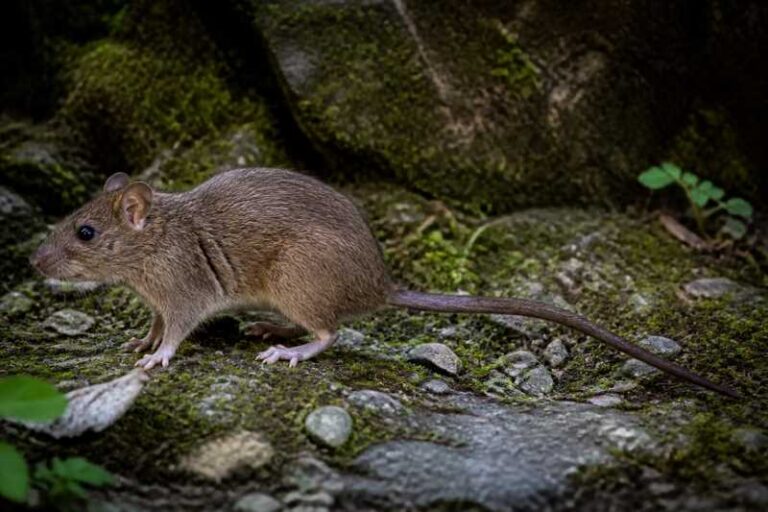
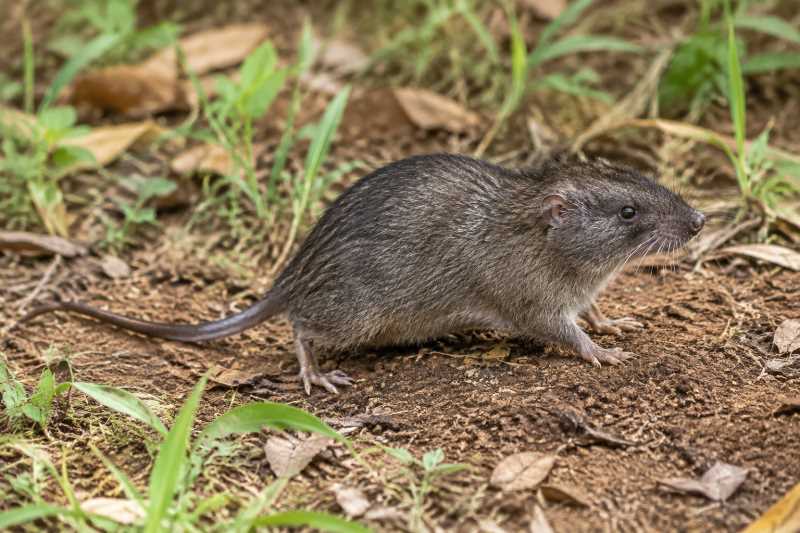
The Target Rat is a medium-sized rodent, with adults typically measuring between 25 to 30 centimeters in total length, including their exceptionally long tails, which can be as long as or longer than their bodies. Their weight ranges from 100 to 150 grams. The species gets its common name from the unique target-like pattern found on its body, characterized by concentric circles of different shades of brown and gray, providing effective camouflage against predators.
The fur of the Target Rat is dense and soft, offering protection against the elements and aiding in thermoregulation. Their ears are relatively large and rounded, contributing to their acute sense of hearing, an essential adaptation for detecting predators. Their eyes are also well-developed, enabling nocturnal activity. The whiskers are long and highly sensitive, assisting in navigation through their often dense and complex habitats.
Range and Habitat
Stochomys longicaudatus is predominantly found in the tropical and subtropical regions of Central Africa. Their range extends across several countries, including the Democratic Republic of the Congo, Cameroon, Gabon, and the Central African Republic. They are particularly abundant in dense tropical rainforests, where the undergrowth provides ample cover and a rich supply of food.
The Target Rat thrives in lowland rainforests and occasionally in montane forests, up to altitudes of about 2,000 meters. They are also found in secondary forests and agricultural lands that border natural forests, showcasing their adaptability to changing environments. However, they rely heavily on areas with dense vegetation and a steady supply of water.
Behavior and Diet
The Target Rat is predominantly nocturnal, engaging in most of its foraging and social activities under the cover of darkness. This nocturnal behavior helps them avoid many diurnal predators. They are solitary creatures, except during the breeding season, when they come together to mate.
Diet-wise, the Target Rat is omnivorous, with a preference for seeds, fruits, and small invertebrates. Their diet is highly variable and depends largely on the availability of resources in their habitat. They play a crucial role in seed dispersal, contributing to the ecological balance within their environment.
Their keen sense of smell and hearing are vital for locating food, while their sharp incisors are adept at cracking open hard seeds and nuts. In addition, their diet occasionally includes insects and small vertebrates, making them important in controlling pest populations.
Identification Tips (Field Recognition Cues)
Identifying the Target Rat in the wild can be challenging due to their elusive nature and preference for dense habitats. However, several key characteristics can aid in their identification:
- Distinctive Markings: Look for the target-like pattern on their fur, which is unique among rodents in their range.
- Tail Length: Their tail is remarkably long, often exceeding the length of their body, a distinguishing feature.
- Nocturnal Activity: Sightings are more likely during the night, as they are primarily nocturnal.
- Habitat: They are typically found in dense forested areas with a rich undergrowth.
Conservation Status (with Threats and Protections)
The conservation status of the Target Rat is currently listed as Least Concern by the International Union for Conservation of Nature (IUCN). However, like many species in Central Africa, they face several threats that could impact their populations in the future.
Threats
- Habitat Loss: Deforestation for logging, agriculture, and urban expansion is the most significant threat to their habitat.
- Hunting and Trapping: Although not a primary target, they are occasionally caught in traps set for other animals.
- Climate Change: Alterations in climate patterns can affect their food supply and habitat conditions.
Protections
- Protected Areas: Many regions inhabited by the Target Rat are protected areas or national parks, which help safeguard their habitat.
- Conservation Programs: Initiatives aimed at conserving tropical rainforests indirectly benefit the species by preserving their natural environment.
Frequently Asked Questions
- What is the primary diet of the Target Rat?
The Target Rat is omnivorous, primarily feeding on seeds, fruits, and small invertebrates. Their diet varies based on the availability of resources in their habitat.
- How can I identify a Target Rat in the wild?
Look for their distinctive target-like fur pattern, long tails, and nocturnal activity. They are typically found in dense, forested areas.
- What threats do Target Rats face in their natural habitat?
The main threats include habitat loss due to deforestation, occasional trapping, and the impacts of climate change on their environment.
- Are Target Rats social animals?
No, Target Rats are generally solitary except during the breeding season when they come together for mating.
- In which countries can the Target Rat be found?
They are found in several Central African countries, including the Democratic Republic of the Congo, Cameroon, Gabon, and the Central African Republic.
Related posts