Introduction
The Mindoro Stripe-faced Fruit Bat (Styloctenium mindorense) is a rare and intriguing mammal species endemic to the Philippines’ Mindoro Island. Known for its distinctive facial stripes, this fruit bat plays a crucial role in its ecosystem as a pollinator and seed disperser. Despite its ecological importance, the species is under threat due to habitat loss and hunting pressures. This article delves into the Mindoro Stripe-faced Fruit Bat’s physical characteristics, habitat preferences, behaviors, and conservation status, providing insights that highlight the urgent need for its protection.
Physical Description
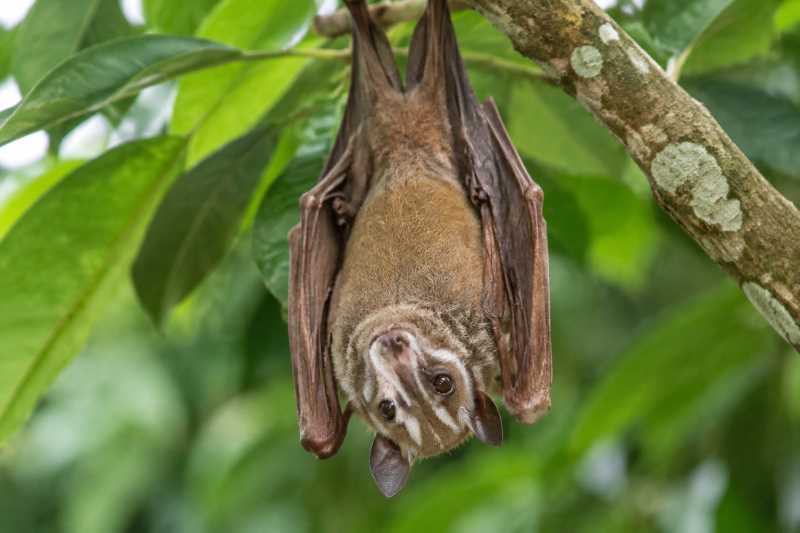
The Mindoro Stripe-faced Fruit Bat is a medium-sized fruit bat with a unique appearance that sets it apart from other species. It measures approximately 14-20 centimeters in length, with a wingspan of about 70 centimeters. The bat is named for its striking facial features, characterized by prominent white or cream-colored stripes running from the nose to the top of the head, contrasting against its generally dark fur. The body is covered with dense, soft fur, typically brown or grayish-brown in color. The ears are relatively large and rounded, aiding in its acute sense of hearing, while its eyes are large, an adaptation for its nocturnal lifestyle.
Range and Habitat
The Mindoro Stripe-faced Fruit Bat is exclusively found on Mindoro Island in the Philippines, making its range highly restricted. This island is part of the Mimaropa region, known for its rich biodiversity. The bat inhabits lowland forests, both primary and secondary, as well as montane forests up to elevations of about 1,000 meters. These bats prefer areas with abundant fruiting trees, which provide both food and roosting sites. Unfortunately, the conversion of these forests into agricultural land poses a significant threat to their habitat.
Behavior and Diet
The Mindoro Stripe-faced Fruit Bat is nocturnal, becoming active at dusk to forage for food. Its diet primarily consists of fruits, nectar, and flowers, making it a vital pollinator in its ecosystem. Common dietary staples include figs, bananas, and other native fruits. The bat’s foraging behavior facilitates seed dispersal, contributing to forest regeneration. Socially, these bats are known to roost in small groups within tree canopies or caves, where they can find shelter from predators and environmental elements.
Identification Tips (Field Recognition Cues)
Identifying the Mindoro Stripe-faced Fruit Bat in the field involves observing several key characteristics:
- Facial Stripes: Look for the distinctive white or cream stripes on the face, which are unique to this species.
- Size and Color: Note the medium size and brown or grayish-brown fur.
- Ears and Eyes: Large, rounded ears and prominent eyes are notable features.
- Behavior: Active at dusk and dawn, often seen near fruiting trees.
Conservation Status (with Threats and Protections)
The International Union for Conservation of Nature (IUCN) currently lists the Mindoro Stripe-faced Fruit Bat as "Endangered." The primary threats to its survival include habitat destruction due to logging, agricultural expansion, and infrastructure development. Hunting for bushmeat also poses a significant risk. Conservation efforts are crucial for preventing further decline of this species. Protective measures include establishing and maintaining protected areas on Mindoro Island, promoting sustainable agricultural practices, and implementing local and national policies that mitigate habitat destruction.
Frequently Asked Questions
1. What is the primary diet of the Mindoro Stripe-faced Fruit Bat?
The Mindoro Stripe-faced Fruit Bat primarily feeds on fruits such as figs and bananas, as well as nectar and flowers. This diet not only sustains the bat but also facilitates pollination and seed dispersal, contributing to the health of its forest habitat.
2. Why is the Mindoro Stripe-faced Fruit Bat considered endangered?
This bat species is considered endangered due to severe habitat loss from deforestation, agricultural encroachment, and hunting pressures. These factors have significantly reduced its population and the availability of suitable habitats.
3. How can we help protect the Mindoro Stripe-faced Fruit Bat?
Protection can be achieved through habitat conservation, promoting sustainable land use practices, and raising awareness about the bat’s ecological role. Supporting conservation organizations and policies that aim to preserve Mindoro’s forests is also crucial.
4. Where can the Mindoro Stripe-faced Fruit Bat be found?
This species is endemic to Mindoro Island in the Philippines, inhabiting lowland and montane forests where fruiting trees are abundant.
5. What are the unique features of the Mindoro Stripe-faced Fruit Bat?
Its unique features include the distinctive facial stripes, medium size, brown or grayish-brown fur, large eyes, and rounded ears, which aid in its nocturnal lifestyle.
Related posts