Introduction
The Streaked Berrypecker, scientifically known as Melanocharis striativentris, is a small passerine bird belonging to the Melanocharitidae family. This avian species is native to the lush and expansive rainforests of New Guinea, where it thrives in the dense canopy. Despite its somewhat elusive nature, the Streaked Berrypecker is an intriguing subject of study for ornithologists and bird enthusiasts alike, due to its unique adaptations and ecological significance.
Taxonomy and Classification
The Streaked Berrypecker is part of the Melanocharitidae family, which comprises a small group of birds found predominantly in New Guinea. The genus Melanocharis includes several species of berrypeckers, characterized by their specialized frugivorous diets and distinctive plumage patterns. The species name "striativentris" aptly describes its appearance, highlighting the streaked pattern found on its ventral side.
Physical Description
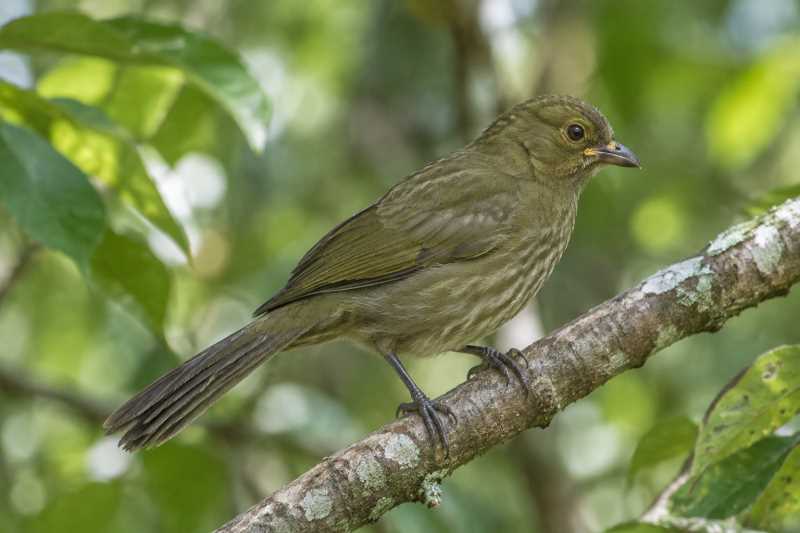
The Streaked Berrypecker is a small bird, measuring approximately 13-15 cm in length. Its most distinctive feature is its streaked underparts, which vary in intensity and prominence among individuals. The plumage on its back and wings is usually a blend of olive and brown, providing excellent camouflage within its forested habitat. The bird’s bill is short and slightly curved, an adaptation that aids in its primary diet of berries and small fruits. Its legs are relatively short but strong, allowing it to navigate through dense foliage with ease.
Habitat and Distribution
The Streaked Berrypecker is endemic to New Guinea, where it inhabits subtropical or tropical moist lowland forests and montane forests. These birds are typically found at elevations ranging from 600 to 2,300 meters. The diverse ecosystem of New Guinea provides a rich supply of food and nesting sites, making it an ideal habitat for the Streaked Berrypecker.
Behavior and Ecology
Feeding Habits
As a frugivore, the Streaked Berrypecker primarily feeds on a variety of berries and small fruits. It plays a crucial role in seed dispersal, contributing to the health and regeneration of its forest environment. The bird’s feeding behavior involves agile movements through the canopy, where it selects ripe fruits with precision. Occasionally, it may supplement its diet with insects and other small invertebrates, especially during the breeding season when nutritional demands are higher.
Breeding and Reproduction
The breeding season of the Streaked Berrypecker typically coincides with the fruiting periods of certain plants, ensuring a steady food supply for raising young. The species is monogamous, with pairs forming strong bonds that often last for multiple breeding seasons. Nests are usually constructed in the fork of a tree branch, using a combination of twigs, leaves, and other plant materials. The female lays a clutch of two to three eggs, which are incubated for approximately 14 days. Both parents share responsibilities in feeding and caring for the chicks until they fledge.
Vocalizations
Streaked Berrypeckers are known for their distinctive calls, which consist of a series of melodious whistles and chirps. These vocalizations serve multiple purposes, including mate attraction, territory defense, and communication between individuals. Despite their relatively quiet demeanor, these birds can produce a surprisingly loud call that resonates through their forest habitat.
Conservation Status
Currently, the Streaked Berrypecker is classified as "Least Concern" by the International Union for Conservation of Nature (IUCN). While their populations are stable, they face potential threats from habitat destruction and fragmentation due to logging and agricultural expansion. Conservation efforts are crucial to ensuring the long-term survival of this species and maintaining the ecological balance within its native habitats.
Human Interaction and Cultural Significance
In some regions of New Guinea, the Streaked Berrypecker holds cultural significance among indigenous communities. Often featured in folklore and traditional stories, these birds are considered symbols of agility and resourcefulness. Additionally, birdwatching tourism in New Guinea benefits from the presence of such unique species, providing economic incentives for local communities to engage in conservation activities.
Research and Studies
Ongoing research on the Streaked Berrypecker focuses on its ecological role, behavioral patterns, and response to environmental changes. Studies have highlighted the importance of this species in seed dispersal and forest dynamics, underscoring the interconnectedness of New Guinea’s ecosystem. Further research aims to monitor population trends and assess the impact of human activities on their habitats.
Conclusion
The Streaked Berrypecker (Melanocharis striativentris) is a remarkable species that exemplifies the biodiversity and complexity of New Guinea’s avian life. Its specialized diet, unique vocalizations, and ecological contributions make it a subject of continuous interest for scientists and nature enthusiasts. As we strive to protect the natural habitats of New Guinea, the Streaked Berrypecker serves as a reminder of the intricate balance within our planet’s ecosystems.
References
- Beehler, B. M., Pratt, T. K., & Zimmerman, D. A. (1986). Birds of New Guinea. Princeton University Press.
- Coates, B. J. (1985). The Birds of Papua New Guinea. Dove Publications.
- Diamond, J. M. (1972). Biogeography of New Guinea. Elsevier.
- IUCN Red List of Threatened Species. (2023). Melanocharis striativentris.
- Pratt, T. K., & Beehler, B. M. (2015). Birds of New Guinea: Second Edition. Princeton University Press.
Meta Title
"Streaked Berrypecker: New Guinea’s Frugivorous Bird"
Meta Description
"Explore the ecology, behavior, and conservation of the Streaked Berrypecker, a unique bird native to New Guinea’s rainforests."
Related posts