Introduction
The Desert Gundi, scientifically known as Ctenodactylus vali, is a small, fascinating mammal found in the arid landscapes of North Africa. Known for its remarkable adaptability to extreme desert conditions, the Desert Gundi is an intriguing subject of study for both scientists and nature enthusiasts. Despite its relatively obscure status in the animal kingdom, this diminutive creature plays a vital role in its ecosystem. In this article, we will delve into the physical characteristics, habitat, behavior, and conservation status of the Desert Gundi, offering a comprehensive overview of this unique species.
Physical Description
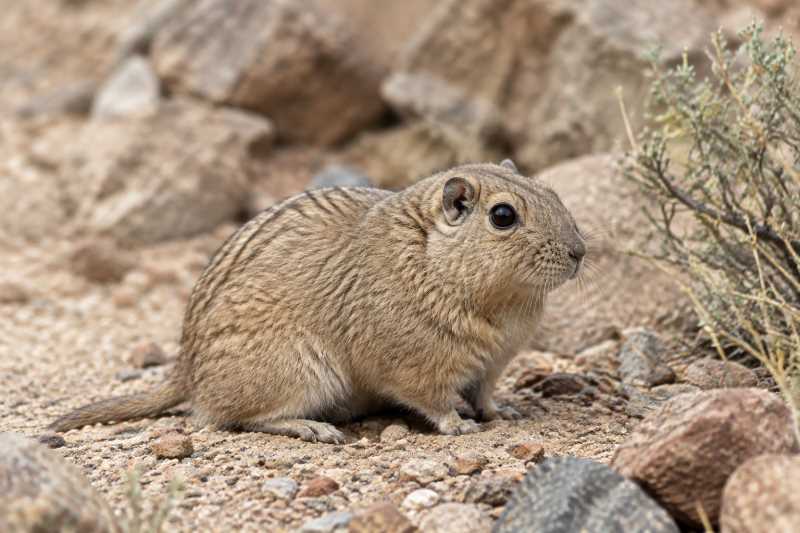
The Desert Gundi is a small rodent, typically weighing between 170 to 230 grams and measuring around 16 to 20 centimeters in length. Its compact size is complemented by a stocky build and a short, bushy tail that measures between 2 to 4 centimeters. One of the most distinguishing features of the Desert Gundi is its soft, dense fur, which ranges in color from sandy to grayish-brown, providing excellent camouflage against the desert sands.
The Gundi’s large, rounded ears and prominent, black eyes are adaptations for its desert habitat, aiding in both heat regulation and predator detection. Its limbs are short but powerful, equipped with strong claws that are perfect for digging and climbing rocky surfaces. The feet of the Desert Gundi are particularly notable; they have thick pads that help it maintain traction on slippery rocks and navigate the rough terrain of its habitat.
Range and Habitat
Desert Gundis are primarily found across the arid and semi-arid regions of North Africa, including countries such as Algeria, Tunisia, Libya, and Morocco. They inhabit rocky desert areas where vegetation is sparse, and temperatures can vary dramatically between day and night. These mammals prefer rocky outcrops and crevices, which provide shelter from predators and extreme weather conditions.
The habitat of the Desert Gundi is characterized by minimal rainfall and high temperature fluctuations, requiring the species to evolve specific adaptations to survive. These include their nocturnal behavior during extreme heat and the ability to derive moisture from their food, enabling them to thrive in an environment where water is scarce.
Behavior and Diet
Desert Gundis are social animals, often found living in small groups or colonies. They are diurnal, meaning they are most active during the early morning and late afternoon when temperatures are more tolerable. During the heat of the day, they retreat to their burrows or rocky shelters to avoid overheating.
Their diet primarily consists of various desert plants, seeds, and grasses. The Desert Gundi has a remarkable ability to extract moisture from its food, which is crucial for survival in its arid habitat. They have been observed foraging for food in groups, which provides safety in numbers against potential predators.
Gundis communicate through a series of vocalizations, including squeaks and chirps, which help maintain group cohesion and alert others to danger. Their social structure and communication are vital for their survival in the harsh desert environment.
Identification Tips (field recognition cues)
Identifying a Desert Gundi in the wild can be a rewarding experience for wildlife enthusiasts. Here are some tips to help you recognize this elusive creature:
- Size and Shape: Look for a small, stocky rodent with a round body and a short, bushy tail.
- Fur Color: Their sandy or grayish-brown fur blends seamlessly with the desert landscape, providing excellent camouflage.
- Ears and Eyes: Note the large, rounded ears and prominent black eyes, which are distinctive features of the species.
- Behavior: Observe their diurnal activity patterns and social behavior, often seen in small groups during foraging sessions.
- Habitat: Focus on rocky outcrops and crevices within desert regions, as these are the preferred habitats of the Desert Gundi.
Conservation Status (with threats and protections)
The Desert Gundi is currently listed as a species of Least Concern by the International Union for Conservation of Nature (IUCN). However, like many desert-dwelling species, it faces threats from habitat destruction and climate change. Human activities such as mining and agriculture can disrupt their natural habitats, while climate change poses a threat to their survival by altering the delicate balance of their ecosystem.
Conservation efforts for the Desert Gundi include habitat protection and monitoring population trends to ensure their numbers remain stable. While they are not currently endangered, ongoing conservation measures are essential to safeguard their future.
Frequently Asked Questions
1. What is the lifespan of a Desert Gundi?
Desert Gundis typically live for about 3 to 4 years in the wild. Their lifespan can be influenced by factors such as predation, availability of food, and environmental conditions.
2. How do Desert Gundis survive without much water?
Desert Gundis obtain most of their water from the food they consume, particularly from moisture-rich plants. This adaptation allows them to survive in environments where water is scarce.
3. Are Desert Gundis endangered?
No, Desert Gundis are currently not endangered and are classified as a species of Least Concern. However, they face threats from habitat destruction and climate change, making conservation efforts important.
4. Can Desert Gundis be kept as pets?
Desert Gundis are wild animals and are not suitable as pets. They have specific habitat and dietary needs that are difficult to meet in captivity.
5. What predators do Desert Gundis face?
Desert Gundis face predation from various animals, including birds of prey, snakes, and small carnivorous mammals. Their social behavior and camouflage help them evade many threats.
Related posts