Damara Horseshoe Bat: An In-Depth Look at Rhinolophus damarensis
Introduction
The Damara Horseshoe Bat, scientifically known as Rhinolophus damarensis, is a fascinating species of microbat belonging to the family Rhinolophidae. Known for its distinctive noseleaf structure, this species plays a crucial role in its ecosystem as both a predator of insects and a prey species for larger animals. This article delves into the intricate details of the Damara Horseshoe Bat, covering its physical characteristics, natural habitat, behavioral patterns, and conservation status. Our objective is to provide a comprehensive, SEO-optimized resource for researchers, conservationists, and bat enthusiasts interested in understanding this unique mammal species.
Physical Description
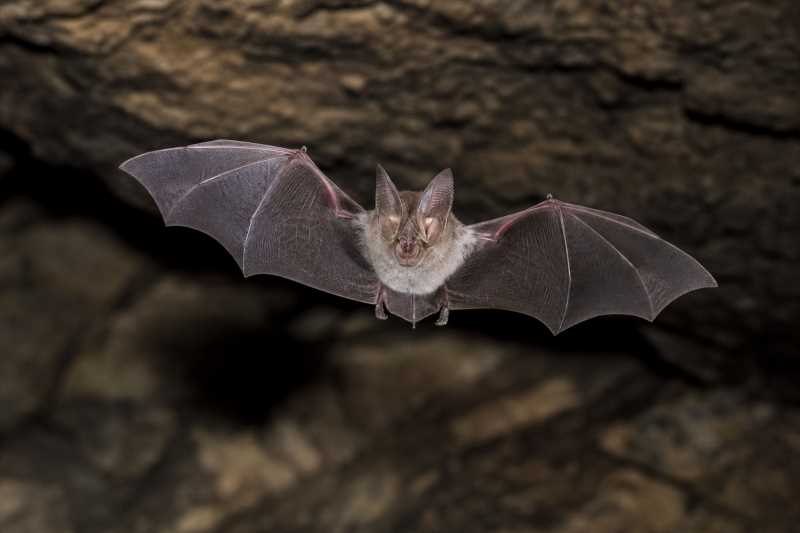
The Damara Horseshoe Bat is characterized by its medium size, typically measuring between 45 to 60 mm in forearm length. Its wingspan ranges from 300 to 350 mm, allowing for agile flight patterns crucial for insect hunting. The most notable feature of this bat is its horseshoe-shaped noseleaf, which aids in echolocation—a vital sense for navigation and hunting in the dark.
The fur of the Damara Horseshoe Bat is generally a rich brown color, with variations ranging from lighter to darker shades depending on the individual and its environment. The ventral side is usually lighter, providing a form of counter-shading that may help in camouflage. These bats have large, rounded ears that are highly sensitive to sound, further enhancing their echolocation capabilities.
Unique Features
- Noseleaf Structure: The complex noseleaf is not merely a decorative feature but a sophisticated adaptation for emitting and directing echolocation calls.
- Ear Anatomy: Large, rounded ears contribute to their acute sense of hearing, vital for detecting prey and navigating through their environment.
- Wing Morphology: Their wings are adapted for maneuverability rather than speed, a necessary trait for capturing agile insects in flight.
Range and Habitat
The Damara Horseshoe Bat is primarily found in the southern regions of Africa, with significant populations in Namibia, Botswana, and parts of South Africa. These bats inhabit a variety of environments, including savannas, woodlands, and scrublands, where they can easily find roosting sites and ample food supply.
Preferred Roosting Sites
Damara Horseshoe Bats are known to roost in caves, mines, and hollow trees. They prefer locations that offer protection from predators and stable microclimatic conditions, such as consistent temperature and humidity levels. These roosts are essential for their daytime rest and breeding purposes.
Environmental Preferences
- Climate: Generally favor semi-arid to arid conditions.
- Altitude: Typically found at altitudes ranging from 500 to 1,500 meters above sea level.
Behavior and Diet
Damara Horseshoe Bats are nocturnal creatures, emerging from their roosts at dusk to embark on foraging journeys. Their diet primarily consists of insects, including beetles, moths, and flies, which they skillfully capture in flight using echolocation.
Foraging Behavior
- Echolocation: They emit high-frequency calls and listen for the returning echoes to locate and identify prey.
- Flight Patterns: Exhibit agile and acrobatic flight maneuvers to pursue and capture elusive insects.
Social Structure
These bats are known to roost in colonies ranging from a few individuals to several hundred. The social structure within these colonies can be complex, with varying degrees of interaction during foraging and roosting.
Identification Tips
Identifying the Damara Horseshoe Bat in the field requires keen observation of several specific traits:
- Noseleaf Shape: The horseshoe-shaped noseleaf is a definitive characteristic distinguishing them from other bat species.
- Flight Pattern: Observe their distinct, agile flight as they hunt for insects at dusk.
- Roosting Behavior: Look for colonies in caves or other secluded areas during the daytime.
- Acoustic Monitoring: Utilize bat detectors to identify their unique echolocation calls, which are species-specific.
Conservation Status
The Damara Horseshoe Bat is currently listed as a species of Least Concern on the IUCN Red List. However, it faces several threats that could impact its populations in the future.
Threats
- Habitat Destruction: Deforestation, mining, and agricultural expansion are leading to the loss of suitable roosting and foraging habitats.
- Climate Change: Alterations in climate patterns can affect the availability of prey and suitable roosting conditions.
- Disturbance: Human activities in and around roosting sites can lead to colony disruption and abandonment.
Protections
Conservation efforts focus on habitat protection and establishing protected areas that secure critical roosting and foraging habitats. Environmental impact assessments are crucial before initiating developments in areas known to host these bats. Additionally, public awareness campaigns aim to educate local communities about the importance of preserving bat habitats.
Frequently Asked Questions
What is the primary diet of the Damara Horseshoe Bat?
The Damara Horseshoe Bat primarily feeds on insects, such as moths, beetles, and flies, which they catch using their echolocation abilities. These bats are active nocturnal hunters, relying on their acute sense of hearing to detect and capture prey in flight.
How does the Damara Horseshoe Bat use echolocation?
Echolocation in Damara Horseshoe Bats involves emitting high-frequency sound waves from their noseleaf. These waves bounce off objects and return as echoes, which the bat analyzes to determine the location, size, and texture of prey and obstacles.
Where can I find Damara Horseshoe Bats in the wild?
Damara Horseshoe Bats are typically found in southern Africa, inhabiting regions of Namibia, Botswana, and South Africa. They prefer roosting in caves, old mines, and hollow trees within savannas and woodlands.
What threats do Damara Horseshoe Bats face?
Major threats to Damara Horseshoe Bats include habitat destruction due to deforestation and mining, climate change impacting their food sources and roosting conditions, and human disturbance at roosting sites.
Are Damara Horseshoe Bats endangered?
Currently, the Damara Horseshoe Bat is not endangered and is classified as a species of Least Concern. However, ongoing habitat destruction and climate change pose potential risks to their populations in the future.
By understanding the behavior, habitat, and challenges facing the Damara Horseshoe Bat, we can better appreciate its role in the ecosystem and the importance of conservation efforts to ensure its survival.
Related posts