The Eastern Long-billed Lark: A Comprehensive Overview
The Eastern Long-billed Lark, scientifically known as Certhilauda semitorquata, is a remarkable avian species that captivates bird enthusiasts and ornithologists alike. Found predominantly in the grasslands and semi-arid regions of southern Africa, this bird is renowned for its distinctive long bill and melodious song. This article delves into the unique characteristics, habitat, behavior, and conservation status of the Eastern Long-billed Lark, highlighting its significance in the ecosystem and the challenges it faces in the modern world.
Taxonomy and Morphology
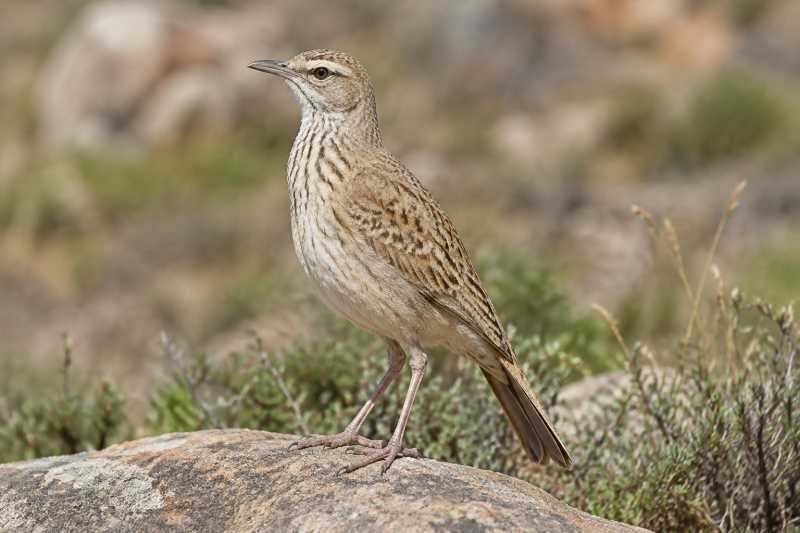
Belonging to the family Alaudidae, the Eastern Long-billed Lark is closely related to other larks endemic to Africa. Its scientific nomenclature, Certhilauda semitorquata, reflects its distinct physical traits and geographical distribution. The species is characterized by its elongated bill, which is adapted to probe into the soil for insects and seeds, its primary diet.
The lark exhibits a cryptic plumage, with a mix of brown, beige, and white feathers that provide excellent camouflage against the dry, open habitats it frequents. Males and females are similar in appearance, although males are slightly larger. The average length of an adult Eastern Long-billed Lark ranges from 18 to 22 cm, with a wingspan of approximately 30 cm. The bird’s long legs and tail are also notable features, aiding in its terrestrial lifestyle.
Distribution and Habitat
The Eastern Long-billed Lark is endemic to southern Africa, with its range encompassing parts of South Africa, Lesotho, and Eswatini. It predominantly inhabits open grasslands, savannas, and semi-arid regions, where it can be spotted foraging on the ground. These habitats offer the lark ample opportunities to feed and nest, although changes in land use and climate pose significant threats to its environment.
The lark’s preference for open spaces is linked to its feeding habits and nesting behavior. The ground-dwelling nature of the bird necessitates vast tracts of undisturbed land for it to thrive. In recent years, however, agricultural expansion and urban development have encroached upon its natural habitat, leading to fragmented populations.
Behavior and Ecology
The Eastern Long-billed Lark is primarily known for its melodious song, which is a staple of the early morning and late afternoon soundscape in its native regions. Males are particularly vocal during the breeding season, using their song to establish territory and attract mates. The song is characterized by a series of whistles, trills, and mimicry of other bird calls, showcasing the bird’s complex vocal repertoire.
Breeding typically occurs during the rainy season, when food resources are abundant. The lark constructs its nest on the ground, often hidden among grasses or small shrubs to avoid predators. The female lays a clutch of two to four eggs, which are incubated for about two weeks. Both parents are involved in feeding and caring for the chicks until they fledge, which occurs around three weeks post-hatching.
Conservation Status
The Eastern Long-billed Lark is currently listed as "Least Concern" by the International Union for Conservation of Nature (IUCN). However, habitat loss and degradation due to human activities pose significant threats to its populations. Conservation efforts are essential to ensure the long-term survival of this species, emphasizing the need for habitat protection and sustainable land management practices.
Efforts to conserve the Eastern Long-billed Lark must address the challenges posed by agriculture and urbanization. Initiatives such as creating protected areas, promoting sustainable farming practices, and raising awareness about the importance of grassland ecosystems are crucial for the conservation of this and other grassland-dependent species.
Significance in the Ecosystem
The Eastern Long-billed Lark plays a vital role in its ecosystem as both a predator and prey. By feeding on insects and seeds, it helps control pest populations and disperse seeds, contributing to the ecological balance of its habitat. Furthermore, the lark serves as a food source for larger predators, including birds of prey and small mammals.
The presence of the Eastern Long-billed Lark is also an indicator of grassland health, as its populations are closely tied to the availability and quality of its habitat. Protecting this species, therefore, has broader implications for the conservation of biodiversity in southern African grasslands.
Conclusion
The Eastern Long-billed Lark is a fascinating bird that embodies the beauty and complexity of southern Africa’s grassland ecosystems. While currently not at immediate risk of extinction, ongoing threats from habitat loss and climate change necessitate concerted conservation efforts. By understanding and protecting the Eastern Long-billed Lark, we can ensure the preservation of its natural habitat and the myriad of life forms that depend on it.
In conclusion, the Eastern Long-billed Lark serves as both a symbol of avian diversity and an important component of its native ecosystem. Its conservation is not only crucial for its survival but also for maintaining the ecological integrity of the regions it inhabits.
Related posts