Introduction
The Munduruku Marmoset (Mico munduruku) is a small primate species belonging to the Callitrichidae family. Discovered relatively recently, this marmoset is native to a specific region in Brazil and is known for its unique physical and behavioral characteristics. As part of the New World monkeys, Munduruku Marmosets play a crucial role in their ecosystems and have garnered significant interest among primatologists and conservationists.
Physical Description
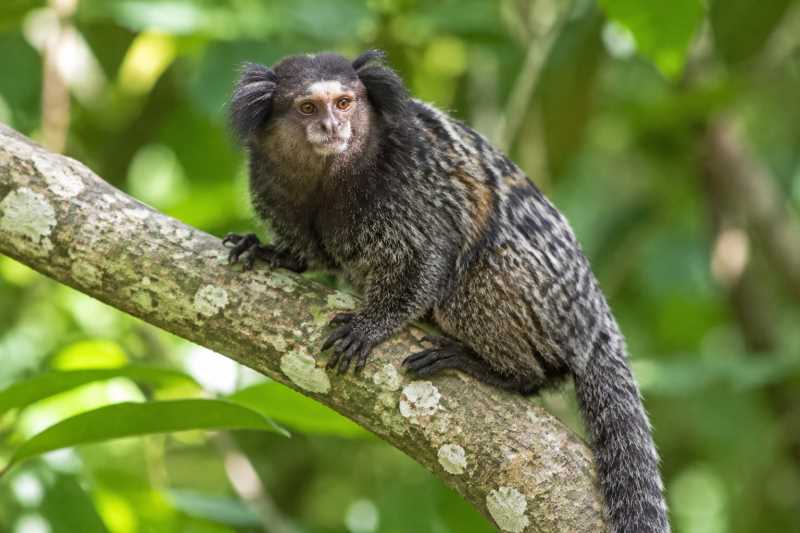
The Munduruku Marmoset is a diminutive primate, typically weighing around 300 to 400 grams. It measures approximately 20 to 25 centimeters in body length, with a tail that can be as long or longer than its body, contributing to its agile locomotion through the forest canopy. The marmoset’s fur is predominantly grayish-brown, with lighter shades on its undersides. Its face features a distinctive white blaze and a dark-tipped nose, setting it apart from other marmoset species. The Munduruku Marmoset’s ears are notably tufted, which is another distinguishing feature of its appearance.
Range and Habitat
This marmoset species is endemic to a specific region in Brazil, primarily found in the south-central Amazon. Its range is centered around the Tapajós River basin, close to the territories of the Munduruku Indigenous people, which inspired its name. The habitat preferences of the Munduruku Marmoset include tropical rainforests with dense canopies and abundant food resources. It thrives in areas where it can find a variety of fruiting trees, flowers, and insects, which form the basis of its diet.
Behavior and Diet
Munduruku Marmosets are diurnal and arboreal, spending most of their time in the treetops. They live in small family groups that typically consist of a monogamous pair and their offspring. These social structures are integral to their survival, as family members cooperate in foraging and protecting their territory. The diet of the Munduruku Marmoset is varied, consisting mainly of fruits, flowers, and insects. They are also known to consume tree sap and gum, which they access by gnawing on bark with their specialized teeth.
Identification Tips (field recognition cues)
Identifying a Munduruku Marmoset in the wild requires careful observation of several key features. Look for small, agile primates moving swiftly through the canopy. Notice the distinctive white blaze on their face and dark-tipped nose. Their grayish-brown fur and tufted ears are also important identification cues. Listen for their vocalizations, which include high-pitched calls used to communicate with family members and warn of potential threats.
Conservation Status (with threats and protections)
The Munduruku Marmoset is currently classified as "Data Deficient" by the IUCN Red List due to the lack of comprehensive population studies. However, like many Amazonian species, it faces threats from deforestation, habitat fragmentation, and human encroachment. The expansion of agriculture, logging, and infrastructure projects in the Amazon pose significant risks to its habitat. Conservation efforts are crucial to protect the Munduruku Marmoset, including establishing protected areas and working with indigenous communities to promote sustainable land use practices.
Frequently Asked Questions
1. What is the primary diet of the Munduruku Marmoset? The Munduruku Marmoset primarily feeds on fruits, flowers, insects, tree sap, and gum. These dietary components provide the necessary nutrients for their active lifestyle in the forest canopy.
2. Where can the Munduruku Marmoset be found in the wild? This marmoset species is found in the south-central Amazon, specifically around the Tapajós River basin in Brazil. It inhabits tropical rainforests with dense canopies.
3. How does deforestation affect the Munduruku Marmoset? Deforestation leads to habitat loss and fragmentation, which threaten the survival of the Munduruku Marmoset by reducing available food resources and increasing vulnerability to predators and human activities.
4. What efforts are being made to conserve the Munduruku Marmoset? Conservation efforts include establishing protected areas, promoting sustainable land use practices, and collaborating with indigenous communities to preserve their natural habitats.
5. How do Munduruku Marmosets communicate? Munduruku Marmosets communicate using a range of vocalizations, including high-pitched calls that help them coordinate group activities and alert others to potential dangers.
Related posts