Introduction
The Big Mexican Small-eared Shrew, scientifically known as Cryptotis magnus, is a fascinating yet lesser-known mammal species that inhabits specific regions in Mexico. As a member of the Soricidae family, this shrew is distinguished by its small ears and elusive nature. This article delves into various aspects of the Big Mexican Small-eared Shrew, including its physical characteristics, habitat, behavior, and conservation status.
Physical Description
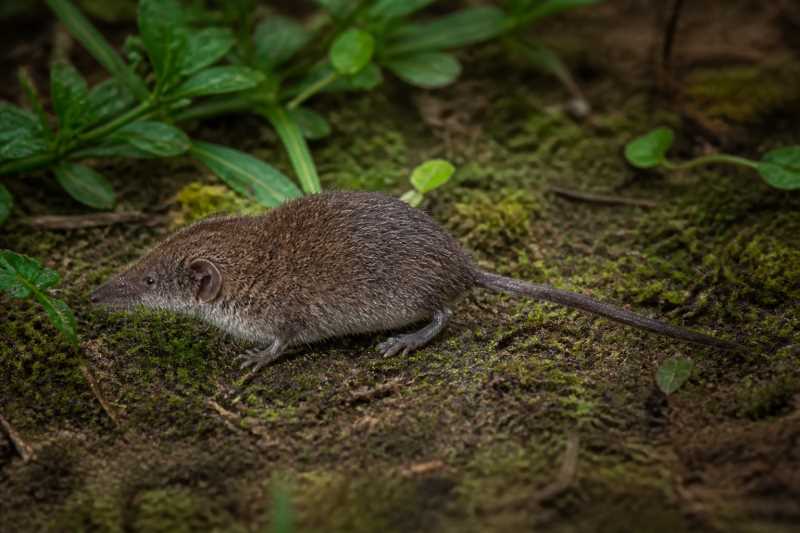
The Big Mexican Small-eared Shrew is a small mammal characterized by its compact body and inconspicuous ears, which are often hidden beneath its dense fur. It typically measures 7 to 10 centimeters in length, with a weight ranging between 5 to 10 grams. The shrew’s fur is generally dark gray to brown, providing effective camouflage in its natural habitat. Unlike many mammals, it has a relatively short tail, usually about one-third of its body length, which aids in its burrowing lifestyle.
Its small eyes and keen sense of smell and touch compensate for its poor vision, allowing it to efficiently hunt for food and navigate through its environment. The shrew’s pointed snout is another distinctive feature, used for probing the soil and leaf litter for prey.
Range and Habitat
The Big Mexican Small-eared Shrew is endemic to Mexico, with its range primarily confined to the central and southern regions of the country. It thrives in a variety of habitats, including moist montane forests, cloud forests, and occasionally in agricultural areas that offer sufficient ground cover and moisture.
These shrews are typically found at elevations ranging from 1,200 to 3,000 meters above sea level. Their preference for moist environments means they are often near sources of water, such as streams or damp forest floors. The dense underbrush and leaf litter of these habitats provide essential cover and foraging grounds.
Behavior and Diet
The Big Mexican Small-eared Shrew is a solitary and primarily nocturnal creature, spending much of its time foraging for food. Its diet consists mainly of insects, worms, and other small invertebrates, which it hunts with remarkable agility. Occasionally, it may also consume small vertebrates or plant matter.
Shrews have a high metabolic rate and must eat frequently, often consuming more than their body weight in food each day. This constant need for food drives their nearly ceaseless activity. During the day, they rest in burrows or hidden nests made from leaves and grass.
Their solitary nature means they are rarely seen interacting with other shrews outside of mating periods. Breeding typically occurs in the warmer months, with females giving birth to litters of two to six young after a short gestation period.
Identification Tips
Identifying the Big Mexican Small-eared Shrew in the field requires keen observation due to its small size and elusive behavior. Here are some tips that may help:
- Size and Shape: Look for a small mammal with a compact body and a noticeably short tail.
- Fur Color: Dark gray to brown fur that blends well with leaf litter and forest floors.
- Ears and Snout: Small ears that are often hidden by fur and a pointed snout used for foraging.
- Activity: Primarily active at night, so sightings during daylight are rare.
Conservation Status
The Big Mexican Small-eared Shrew is currently listed as a species of Least Concern by the IUCN Red List. However, like many wildlife species, it faces threats from habitat destruction and environmental changes.
Threats
- Habitat Loss: Deforestation for agriculture and urban development is a primary threat, reducing the available habitat for the shrews.
- Climate Change: Alterations in temperature and precipitation patterns can impact their moist habitat requirements.
Protections
Efforts to conserve forest habitats indirectly benefit this shrew species. Protected areas and national parks in Mexico help preserve the natural environments crucial for their survival.
Frequently Asked Questions
What does the Big Mexican Small-eared Shrew eat?
The Big Mexican Small-eared Shrew primarily feeds on insects, worms, and small invertebrates. Occasionally, it may consume small vertebrates or plant material.
Where can I find the Big Mexican Small-eared Shrew?
This shrew is found in central and southern Mexico, inhabiting moist montane forests and cloud forests, often near water sources.
How does the Big Mexican Small-eared Shrew adapt to its environment?
The shrew’s dark fur provides camouflage, while its pointed snout and strong sense of smell help it forage effectively. Its nocturnal and solitary nature also minimizes predation risks.
Is the Big Mexican Small-eared Shrew endangered?
Currently, this species is not endangered and is listed as Least Concern, but habitat destruction poses a potential threat to its populations.
How can we help protect the Big Mexican Small-eared Shrew?
Supporting conservation efforts that focus on preserving forest habitats in Mexico can help protect the Big Mexican Small-eared Shrew and many other species that rely on these ecosystems.
Related posts