The Chiming Wedgebill: A Symphony of the Outback
The Chiming Wedgebill (Psophodes occidentalis) is an enigmatic bird species that has captured the admiration of birdwatchers and ornithologists alike. Known for its distinctive chiming calls, this elusive bird is a key player in the avian symphony of the Australian outback. Despite being lesser-known, the Chiming Wedgebill offers a fascinating insight into the adaptability and resilience of wildlife in arid environments.
Habitat and Distribution
The Chiming Wedgebill is predominantly found in the arid and semi-arid regions of inland Australia. Its range spans across parts of Western Australia, South Australia, and into the Northern Territory, favoring sparse vegetation in areas such as shrublands and open woodlands. These habitats, often characterized by mulga and mallee, provide the ideal conditions for the Wedgebill’s survival, offering both food sources and nesting sites.
Adaptation to these harsh environments is a testament to the species’ resilience. Unlike many birds that rely on lush forests or coastal regions, the Chiming Wedgebill thrives in areas with limited water and extreme temperatures. Its ability to survive in such conditions highlights its remarkable evolutionary adaptations.
Physical Characteristics
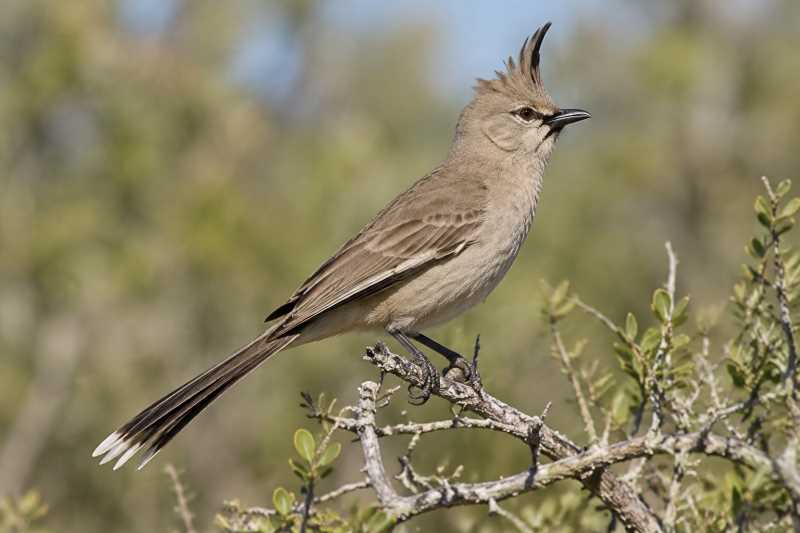
The Chiming Wedgebill is a medium-sized bird, typically measuring around 18 to 23 centimeters in length. Its plumage is predominantly brown, with a lighter underbelly, making it well-camouflaged against the earthy tones of its environment. One of its distinguishing features is its wedge-shaped tail, which gives the bird its name.
The bird’s bill is another notable feature. Slightly curved and robust, it is perfectly adapted for foraging through the dry underbrush for insects and seeds. Its legs are equally adapted for life on the ground, allowing it to navigate the rugged terrain of its habitat with ease.
Vocalization: The Iconic Chime
Perhaps the most intriguing aspect of the Chiming Wedgebill is its vocalization. The bird is named for its clear, melodious calls that echo through its habitat. These calls are often described as a series of musical chimes, which can carry over long distances. The purpose of these calls is multifaceted, serving as a means of communication between mates, a territorial marker, and a tool for navigation within its often featureless environment.
The vocal prowess of the Chiming Wedgebill is not only a delight to human ears but also plays a crucial role in its survival. In the vastness of the outback, where visual cues are minimal, sound becomes an essential tool for maintaining social bonds and deterring intruders.
Behavior and Breeding
The Chiming Wedgebill is a social species, often seen in pairs or small family groups. Its social structure is relatively simple but effective, with pairs maintaining strong bonds that are reinforced through vocal communication and cooperative behaviors, such as mutual preening and foraging.
Breeding season for the Chiming Wedgebill typically occurs from July to December, aligning with the availability of resources. During this time, pairs engage in elaborate courtship displays, which include synchronized calls and intricate flight patterns. Nests are usually constructed in low shrubs or small trees, providing protection from predators and harsh weather.
The nest itself is a small, cup-shaped structure made from twigs and grasses, lined with softer materials for comfort. Clutch sizes are generally small, with the female laying two to three eggs. Both parents share the responsibility of incubating the eggs and feeding the chicks once they hatch.
Conservation Status and Challenges
Currently, the Chiming Wedgebill is classified as a species of least concern by the International Union for Conservation of Nature (IUCN). However, like many species inhabiting arid regions, it faces potential threats from habitat loss and climate change.
Habitat degradation due to agricultural expansion and mining activities poses a significant risk to its natural environment. Furthermore, changes in climate patterns could alter the availability of resources, impacting breeding success and survival rates. Conservation efforts aimed at preserving arid habitats are crucial for the continued well-being of the Chiming Wedgebill.
Conclusion
The Chiming Wedgebill is a remarkable example of nature’s adaptability and resilience. Its presence in the arid landscapes of Australia is a testament to the intricate balance of life in harsh environments. As we continue to learn more about this captivating bird, it serves as a reminder of the beauty and complexity of the natural world, urging us to preserve and protect these unique ecosystems for future generations.
The charm of the Chiming Wedgebill lies not only in its ethereal calls but also in its ability to thrive where many would falter. It is a symbol of the enduring spirit of the Australian outback, a symphony that resonates with those who take the time to listen.
Related posts