Ashy Myzomela (Myzomela cineracea): A Fascinating Study of Avian Adaptation and Diversity
The Ashy Myzomela (Myzomela cineracea) is a small passerine bird that belongs to the family Meliphagidae, commonly known as honeyeaters. This remarkable species is endemic to several islands in the Pacific Ocean, including New Caledonia, Vanuatu, and the Solomon Islands. Known for its subdued plumage and distinctive feeding habits, the Ashy Myzomela offers a fascinating insight into the adaptability and diversity of avian life in island ecosystems.
Taxonomy and Physical Description
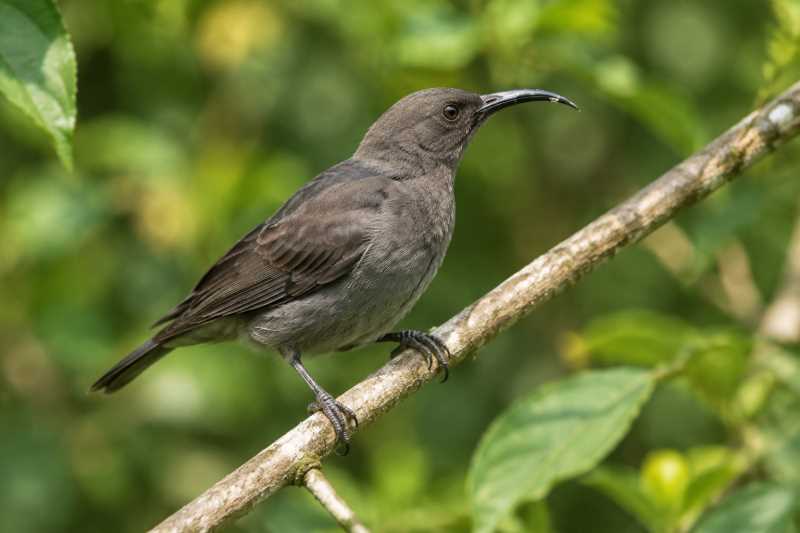
The genus Myzomela comprises a diverse group of honeyeaters distributed across Australasia and the Pacific. Within this genus, the Ashy Myzomela is distinguished by its modest size, measuring approximately 11–13 cm in length, and its relatively short, curved bill that is well-adapted for nectar feeding. The plumage of the Ashy Myzomela is predominantly ashy grey, which provides excellent camouflage against the backdrop of the island forests. Males and females exhibit similar coloration, although males may occasionally display slightly brighter hues during the breeding season.
Habitat and Distribution
The Ashy Myzomela inhabits a range of forested environments, from coastal mangroves to montane rainforests. Its presence across various islands underscores its adaptability to different ecological niches. This species is particularly adept at exploiting the resources available in these environments, feeding on nectar, insects, and small arthropods. The Ashy Myzomela’s distribution is restricted to island habitats, making it a subject of interest for studies on island biogeography and the effects of habitat fragmentation.
Behavioral Ecology
One of the most intriguing aspects of the Ashy Myzomela is its feeding behavior. As a nectarivore, it plays a crucial role in the pollination of numerous plant species. Its feeding activity not only facilitates the reproductive processes of plants but also supports the ecological integrity of its habitat. The Ashy Myzomela is known to be a solitary forager, although it may occasionally form small flocks during non-breeding periods. Its vocalizations, consisting of a series of high-pitched whistles and chirps, are integral to territory establishment and mate attraction.
Reproductive Biology
The breeding season of the Ashy Myzomela coincides with the peak flowering period of many native plants, ensuring a steady food supply for raising young. Nesting occurs in the dense foliage of trees and shrubs, where the female constructs a small cup-shaped nest using plant fibers and spider silk. Clutch size typically ranges from one to three eggs, with both parents participating in feeding the fledglings. The high degree of parental investment reflects the challenges of raising offspring in island environments where predation and food scarcity may pose significant threats.
Conservation Status and Threats
According to the International Union for Conservation of Nature (IUCN), the Ashy Myzomela is currently classified as a species of Least Concern. However, the bird’s reliance on specific habitats makes it vulnerable to environmental changes, particularly deforestation and habitat degradation. The introduction of invasive species, such as rats and cats, poses additional threats to its population stability. Conservation efforts are necessary to preserve the delicate balance of island ecosystems and ensure the survival of this unique species.
The Role of Ashy Myzomela in Ecosystems
The ecological significance of the Ashy Myzomela extends beyond its role as a pollinator. As a member of the honeyeater family, it contributes to the regulation of insect populations, which in turn affects plant health and growth. This intricate web of interactions highlights the interconnectedness of island ecosystems and underscores the importance of maintaining biodiversity. By studying the Ashy Myzomela and its interactions within these ecosystems, researchers can gain valuable insights into broader ecological processes and the resilience of island habitats.
Conclusion
The Ashy Myzomela represents a remarkable example of avian adaptation and ecological specialization. Its presence in diverse island habitats across the Pacific Ocean offers a unique opportunity to study the dynamics of island biogeography and the evolutionary processes that shape biodiversity. Protecting the Ashy Myzomela and its habitat is essential for preserving the ecological integrity of these islands and ensuring the survival of countless other species that share this environment. Through continued research and conservation efforts, we can contribute to the preservation of this fascinating bird and the vibrant ecosystems it inhabits.
Related posts