The Red-naped Sapsucker: A Vibrant Denizen of North American Forests
The Red-naped Sapsucker (Sphyrapicus nuchalis) is a striking and intriguing bird species that plays a vital role in the ecosystems of North America. Known for its vibrant plumage and its unique feeding habits, this medium-sized woodpecker is a fascinating subject of study for ornithologists and bird enthusiasts alike. In this article, we delve into the characteristics, habitat, behavior, and conservation of the Red-naped Sapsucker, shedding light on its ecological importance.
Physical Characteristics
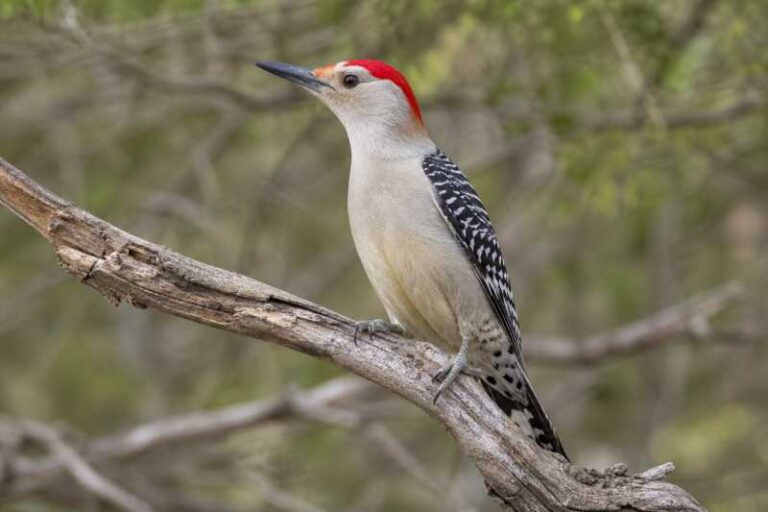
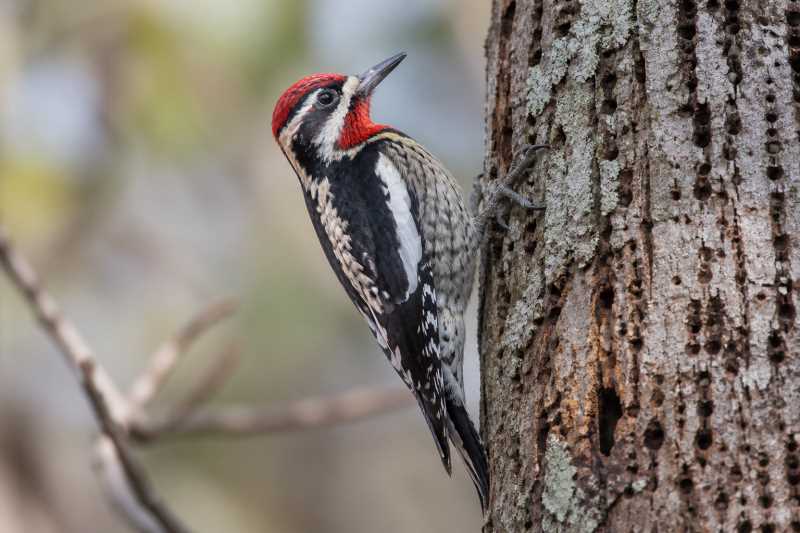
The Red-naped Sapsucker is easily identifiable by its distinctive appearance. Measuring approximately 8 to 9 inches in length with a wingspan of about 16 inches, it is a medium-sized woodpecker. Its plumage is a striking blend of black, white, and red. The bird’s most notable feature is the red patch on the nape of its neck, which gives it its common name. Males and females exhibit similar coloration, though males typically have a more extensive red area on their throats, while females may have a white patch interspersed with red.
The bird’s wings and back are adorned with bold black and white barring, while its underparts are a mottled combination of white and gray. This coloration provides excellent camouflage among the tree bark and branches, aiding in its survival.
Habitat and Distribution
Red-naped Sapsuckers primarily inhabit deciduous and mixed forests in western North America. Their range extends from southern Canada through the western United States, reaching as far south as Arizona and New Mexico. They are particularly fond of aspen groves, where the soft bark and abundant sap make for an ideal environment.
These birds are migratory, spending their winters in the southern parts of their range or even further south into Mexico. During the breeding season, they return to the northern stretches of their range, where they set up territories in suitable forested areas.
Feeding Behavior
One of the most fascinating aspects of the Red-naped Sapsucker is its feeding behavior. True to its name, this species primarily feeds on sap from trees. The bird uses its strong beak to drill rows of shallow holes, known as sap wells, into the bark of trees. These wells fill with sap, which the sapsucker then consumes using its specialized brush-tipped tongue.
In addition to sap, the Red-naped Sapsucker has a varied diet that includes insects, fruits, and tree cambium. The sap wells often attract other wildlife, including insects, which the sapsucker may also eat. This feeding habit plays an essential ecological role, as the sap wells provide a food source for other species, including hummingbirds and small mammals.
Breeding and Nesting
The breeding season for the Red-naped Sapsucker begins in late spring, typically from May to July. During this time, males engage in elaborate courtship displays, which include drumming on resonant surfaces and vocalizations to attract a mate.
Red-naped Sapsuckers are cavity nesters, excavating nest holes in decayed or dead trees. Both the male and female participate in creating the nest, which is usually located 10 to 50 feet above the ground. The female typically lays a clutch of 4 to 7 white eggs, and both parents share the responsibility of incubating the eggs and feeding the chicks once they hatch.
Conservation Status
Currently, the Red-naped Sapsucker is not considered to be at significant risk. The International Union for Conservation of Nature (IUCN) lists the species as Least Concern, thanks to its relatively stable population and widespread distribution. However, like many bird species, it faces threats from habitat loss and climate change, which could impact its forest habitat and food sources.
Conservation efforts focus on preserving and managing forest habitats to ensure the continued survival of the species. Protecting mature forests and standing dead trees, which are crucial for nesting, is particularly important.
Conclusion
The Red-naped Sapsucker is a vibrant and essential part of North America’s avian biodiversity. Its unique feeding habits and ecological contributions make it a species worth understanding and conserving. By appreciating the intricate role this woodpecker plays in forest ecosystems, we can better appreciate the complex interdependencies that sustain our natural world.
For bird watchers and nature enthusiasts, the Red-naped Sapsucker offers a captivating glimpse into the wonders of avian life. Whether spotted in the forests of the Rockies or the canyons of the Southwest, this woodpecker is a testament to the rich diversity of life thriving in North America’s forests.
Related posts