The Elusive Slender-billed Flufftail: A Beacon of Biodiversity Conservation
The Slender-billed Flufftail (Sarothrura watersi) is an enigmatic avian species that captivates ornithologists and conservationists alike. This diminutive bird, belonging to the Sarothruridae family, is predominantly found in the wetlands of Madagascar and a few select regions in sub-Saharan Africa. Due to its elusive nature and the rapidly changing environments it inhabits, the Slender-billed Flufftail stands as a symbol of the challenges and opportunities in biodiversity conservation today.
Physical Description and Behavior
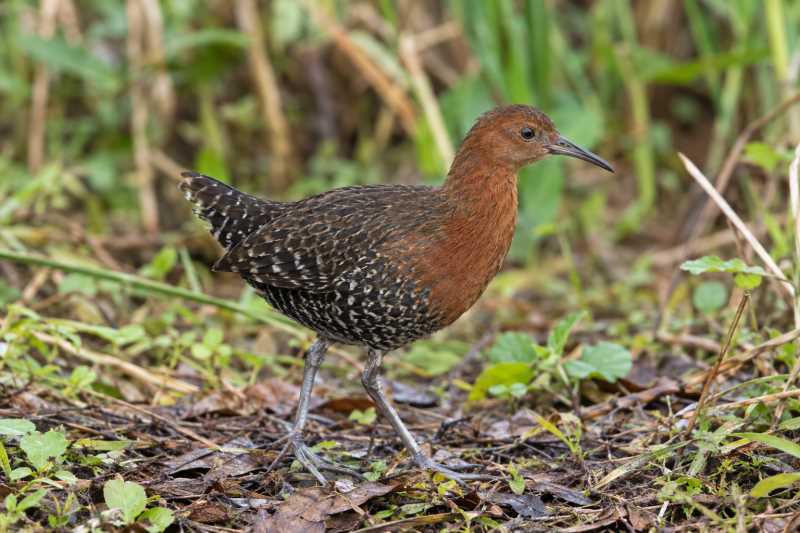
The Slender-billed Flufftail is a small rail, measuring approximately 14 cm in length, with a wingspan of about 25 cm. Its name derives from its slender, slightly decurved bill, which is a distinctive feature among flufftails. The bird’s plumage is a blend of rich browns and blacks, with subtle white markings that serve as excellent camouflage within its marshy habitat.
These birds are notoriously shy and secretive, rarely venturing out of the dense reed beds and grasses that provide cover from predators. Their behavior is more often heard than seen, with males producing a series of repetitive, low-pitched calls during the breeding season. The Slender-billed Flufftail is primarily insectivorous, feeding on a diet of small invertebrates and occasionally seeds.
Habitat and Distribution
The Slender-billed Flufftail is primarily associated with high-altitude marshes and wetlands, environments that are highly sensitive to ecological changes. In Madagascar, it is found in the highland regions where these habitats are frequently threatened by human activities such as agriculture and burning for pastureland. The African mainland populations are similarly restricted to specific wetland areas in countries like Ethiopia, South Africa, and Zimbabwe.
This species’ reliance on such specialized habitats makes it particularly vulnerable to environmental changes. Wetland degradation, climate change, and habitat destruction are all pressing threats that have contributed to its classification as "Vulnerable" by the International Union for Conservation of Nature (IUCN).
Conservation Challenges and Efforts
The conservation of the Slender-billed Flufftail presents unique challenges due to its elusive nature and the fragmented distribution of its habitat. Efforts to protect this species are closely tied to broader wetland conservation initiatives, which aim to preserve the ecological integrity of these vital ecosystems.
One of the primary conservation strategies involves habitat protection and restoration. This includes safeguarding existing wetlands from conversion to agriculture or urban development and implementing sustainable water management practices to maintain the ecological balance of these areas. Additionally, raising awareness among local communities about the importance of wetlands and the species that inhabit them is crucial.
Monitoring and research are also essential components of conservation efforts. Due to the bird’s secretive behavior, studying the Slender-billed Flufftail requires innovative approaches such as bioacoustic monitoring and the use of camera traps. These tools help gather data on population sizes, distribution, and breeding patterns, providing valuable insights that inform conservation strategies.
The Role of International Collaboration
Given the transboundary nature of many of the wetlands inhabited by the Slender-billed Flufftail, international collaboration is vital for effective conservation. Organizations such as BirdLife International and local conservation groups work together to develop and implement cross-border conservation plans. These efforts include creating protected areas, promoting sustainable land use practices, and conducting joint research projects.
Furthermore, international funding and support are critical in developing countries where resources for conservation are often limited. By fostering partnerships between governments, NGOs, and local communities, these collaborative efforts aim to create sustainable conservation models that benefit both biodiversity and human livelihoods.
A Beacon for Biodiversity
The Slender-billed Flufftail serves as a poignant reminder of the intricate connections between species and their habitats. Protecting this small bird requires a holistic approach that considers the entire ecosystem, highlighting the importance of biodiversity conservation in maintaining ecological balance.
As climate change and human activities continue to reshape our natural world, the Slender-billed Flufftail stands as a beacon for the urgent need to preserve the planet’s most vulnerable species and habitats. Through concerted conservation efforts and international collaboration, there is hope that future generations will continue to hear the soft calls of this elusive bird echoing through the marshes of Madagascar and beyond.
In conclusion, the Slender-billed Flufftail is not just a species of concern but a symbol of the broader environmental challenges facing our world today. By focusing our efforts on conserving this remarkable bird and its habitats, we contribute to the preservation of biodiversity and the health of our planet.
References
- BirdLife International. (2023). "Sarothrura watersi." The IUCN Red List of Threatened Species.
- Taylor, B., & van Perlo, B. (2000). "Rails: A Guide to the Rails, Crakes, Gallinules and Coots of the World." Pica Press.
- Conservation International. (2023). "Wetland Conservation Strategies."
Related posts