Nuku Hiva Imperial Pigeon: A Symbol of Biodiversity and Conservation
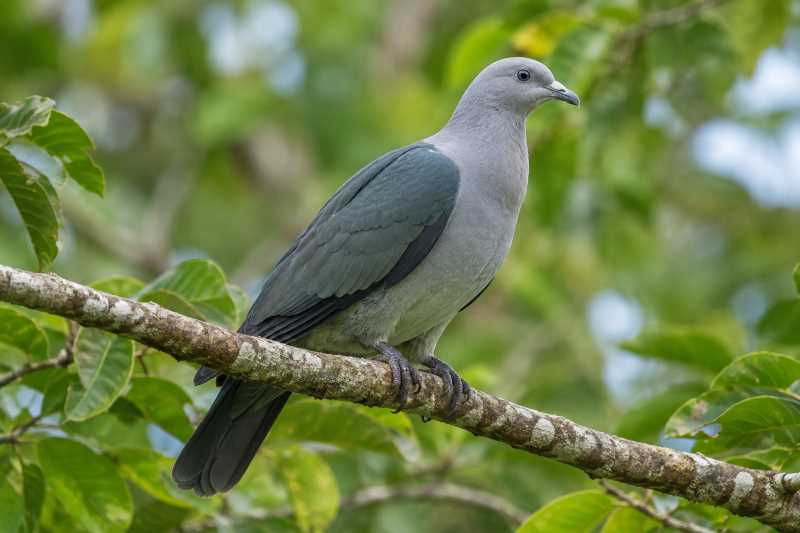
The Nuku Hiva Imperial Pigeon (Ducula galeata), also known as the Nukuhiva pigeon, is a majestic bird native to the Marquesas Islands in French Polynesia. It holds a special place in the ecosystem of these islands and is a critical component of local biodiversity. The Nuku Hiva Imperial Pigeon is not just a fascinating creature due to its unique adaptations and striking appearance, but it also serves as a crucial indicator of the health of its environment.
Physical Characteristics and Behavior
The Nuku Hiva Imperial Pigeon is a large bird, measuring approximately 50 centimeters in length. It possesses a robust body, a short tail, and broad wings, which enable it to navigate the dense forests of its island home. Its plumage is predominantly dark gray with iridescent green and purple hues on its wings and back, providing a beautiful contrast to its pale head and underparts. This coloration not only makes it a remarkable sight but also provides effective camouflage against predators.
The pigeon is known for its strong, direct flight and its ability to cover large distances in search of food. Its diet primarily consists of fruits, berries, and seeds, making it an essential agent of seed dispersal in its habitat. By consuming fruits and excreting seeds elsewhere, the pigeon plays a significant role in maintaining the health and diversity of the island’s forests.
Habitat and Distribution
Endemic to the Marquesas Islands, the Nuku Hiva Imperial Pigeon is primarily found on Nuku Hiva and Ua Pou. Its preferred habitat is the montane and lowland moist forests, where it can find ample food and suitable nesting sites. These forests, however, have been under threat due to human activities such as agriculture, logging, and land conversion, which have led to significant habitat loss and fragmentation.
Conservation Status and Threats
The Nuku Hiva Imperial Pigeon is currently listed as Vulnerable on the IUCN Red List. Its population is estimated to be in decline due to ongoing habitat destruction and the introduction of invasive species such as rats and cats, which prey on eggs and young pigeons. These threats have compounded the challenges faced by the species, making conservation efforts critical for its survival.
Efforts to protect the Nuku Hiva Imperial Pigeon have been initiated at various levels. Conservationists emphasize the importance of habitat preservation and restoration, along with the control of invasive species. Local and international organizations are working together to implement conservation strategies, such as the creation of protected areas and the promotion of sustainable land-use practices.
The Role of Local Communities
Local communities play an integral role in the conservation of the Nuku Hiva Imperial Pigeon. Traditional knowledge and cultural values can significantly contribute to conservation efforts. Historically, the pigeon has been a symbol of prosperity and abundance in Marquesan culture, and its preservation is seen as a shared responsibility.
Education and awareness campaigns aimed at highlighting the importance of the pigeon and the threats it faces are crucial. By involving local communities in conservation activities, such as habitat restoration and monitoring programs, there is a greater chance of successfully safeguarding the pigeon’s future.
Research and Future Directions
Research continues to be a vital component of conservation strategies for the Nuku Hiva Imperial Pigeon. Studies focusing on its ecology, population dynamics, and behavior provide valuable insights that inform conservation actions. Additionally, advances in technology, such as remote sensing and bioacoustic monitoring, offer new opportunities to enhance our understanding of the pigeon and its habitat.
Future conservation efforts must address the root causes of habitat degradation and prioritize the restoration of natural environments. Collaborative projects that involve local communities, governments, and international conservation organizations are essential for creating sustainable solutions. By fostering a shared commitment to preserving the Nuku Hiva Imperial Pigeon, we can ensure that this remarkable bird continues to thrive for generations to come.
Conclusion
The Nuku Hiva Imperial Pigeon is a symbol of the rich biodiversity found in the Marquesas Islands. Its conservation is not only vital for maintaining the ecological balance of its habitat but also for preserving the cultural heritage of the region. Through concerted efforts and a commitment to sustainable practices, we can secure a future for the Nuku Hiva Imperial Pigeon and the unique ecosystem it represents.
Related posts