Introduction
The Ribboned Rope Squirrel, scientifically known as Funisciurus lemniscatus, is a captivating species within the Sciuridae family. These small, agile creatures are known for their distinct markings and playful behavior. Native to the forests of Africa, the Ribboned Rope Squirrel has adapted well to both natural and modified environments, showcasing a remarkable ability to thrive in various habitats. This article delves into the intricate details of this fascinating mammal, exploring its physical characteristics, habitat preferences, behavior, and conservation status.
Physical Description
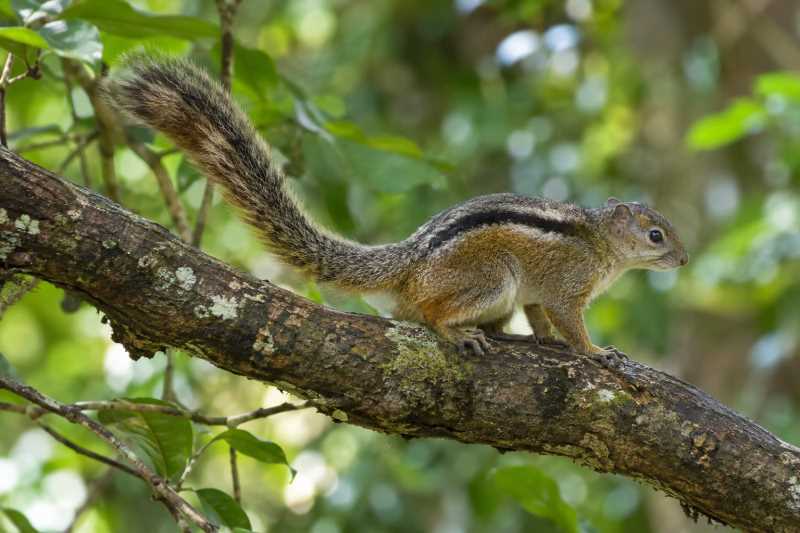
The Ribboned Rope Squirrel is a medium-sized rodent characterized by its slender and elongated body, which typically measures between 15 to 25 centimeters in length, excluding the tail. The tail itself is bushy and can add another 10 to 20 centimeters, providing balance and agility. The fur is predominantly a greyish-brown color, adorned with striking ribbon-like stripes that run along the sides of its body, giving the species its common name.
The underbelly is usually a lighter shade, often white or cream, which contrasts with the darker back. Their ears are small yet alert, and the eyes are large, providing keen vision to detect predators and forage for food. The limbs are strong and nimble, equipped with sharp claws that facilitate climbing and gripping onto tree bark.
Range and Habitat
The Ribboned Rope Squirrel is primarily found in the tropical and subtropical regions of West and Central Africa. Its range includes countries such as Ghana, Nigeria, Cameroon, and the Democratic Republic of Congo. These squirrels are highly adaptable and can inhabit a variety of forest types, including lowland rainforests, secondary forests, and even plantations.
Preferring dense and humid environments, the Ribboned Rope Squirrel is often spotted in areas with abundant tree cover, where it can easily navigate through the canopy. Its ability to adapt to disturbed habitats has allowed it to maintain stable populations even in regions affected by deforestation and human encroachment.
Behavior and Diet
Ribboned Rope Squirrels are diurnal, meaning they are active during the day and rest at night. They are solitary creatures, although they can sometimes be seen in pairs or small family groups. These squirrels are highly territorial and use vocalizations and scent markings to communicate and establish their presence.
The diet of the Ribboned Rope Squirrel is varied and opportunistic, consisting mainly of fruits, seeds, nuts, and occasionally insects. Their foraging behavior is adept; they are known to cache food in the ground or within tree crevices to ensure a constant supply during lean periods. This behavior not only aids in their survival but also plays a role in seed dispersal, contributing to forest regeneration.
Identification Tips
Identifying the Ribboned Rope Squirrel in the field can be a rewarding experience for wildlife enthusiasts and researchers alike. Here are some key identification tips:
- Distinctive Stripes: Look for the characteristic ribbon-like stripes along the sides of the body, a unique feature that distinguishes them from other squirrel species.
- Agile Movement: Observe their nimble and swift movements, especially their ability to leap between branches in the forest canopy.
- Vocal Calls: Listen for their high-pitched, chattering calls, often used to communicate with other squirrels or as an alarm signal.
- Tail Position: Note the position and movement of their bushy tails, often used for balance and communication.
Conservation Status
The Ribboned Rope Squirrel is currently listed as a species of Least Concern on the IUCN Red List. Despite this relatively secure status, the species faces threats from habitat destruction due to logging, agricultural expansion, and urban development. Climate change also poses a potential threat by altering the ecosystems that these squirrels depend on.
Conservation efforts are essential to ensure the long-term survival of the Ribboned Rope Squirrel. Protected areas and national parks in their native range play a crucial role in preserving their habitats. Additionally, promoting sustainable forestry practices and raising awareness about the importance of biodiversity can help mitigate some of the threats facing this species.
Frequently Asked Questions
What makes the Ribboned Rope Squirrel unique compared to other squirrels?
The Ribboned Rope Squirrel is distinguished by its ribbon-like stripes along its sides, a feature not commonly found in other squirrel species. This, combined with its adaptability to different environments, makes it a unique species within the Sciuridae family.
How do Ribboned Rope Squirrels contribute to their ecosystem?
These squirrels play a vital role in their ecosystem by aiding in seed dispersal, which helps in forest regeneration. Their foraging behavior can also influence the structure and dynamics of the plant community.
Are Ribboned Rope Squirrels endangered?
Currently, the Ribboned Rope Squirrel is listed as Least Concern by the IUCN. However, they face threats from habitat loss and environmental changes, which could impact their populations in the future.
What do Ribboned Rope Squirrels eat?
Their diet primarily consists of fruits, seeds, and nuts, but they are also known to eat insects. They are opportunistic feeders and adapt their diet based on the availability of resources.
Where can I observe Ribboned Rope Squirrels in the wild?
Ribboned Rope Squirrels are commonly found in the tropical and subtropical forests of West and Central Africa. Visiting national parks and protected forest areas in countries like Ghana and Cameroon increases the chances of observing these squirrels in their natural habitat.
Related posts