Introduction
The Kintampo Rope Squirrel, scientifically known as Funisciurus substriatus, is a fascinating rodent species that inhabits the lush forests and woodlands of West Africa. Known for its agility and unique appearance, this small mammal is an integral part of the ecosystem it resides in, contributing to seed dispersal and serving as prey for various predators. Despite its ecological significance, the Kintampo Rope Squirrel remains relatively understudied, making it an intriguing subject for wildlife enthusiasts and researchers alike.
Physical Description
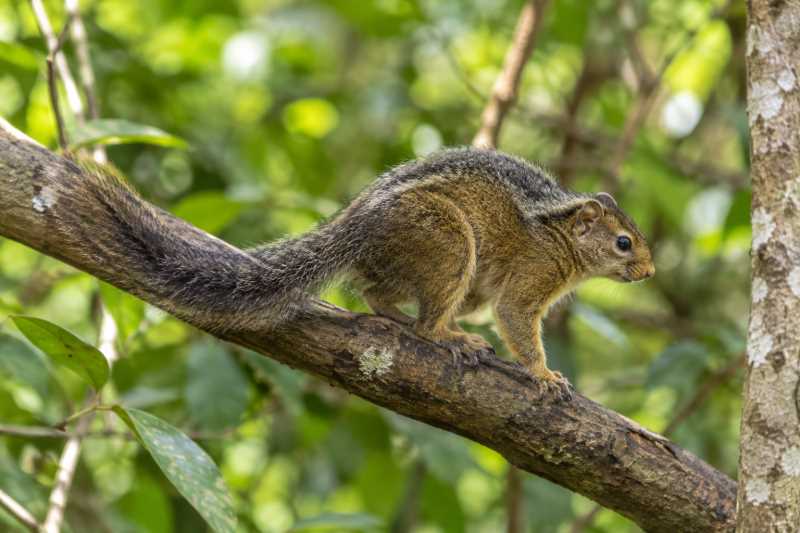
The Kintampo Rope Squirrel is a small to medium-sized rodent characterized by its slender body and long, bushy tail. It typically measures between 20 to 30 centimeters in length, with the tail accounting for nearly half of this measurement. The fur of the Kintampo Rope Squirrel is predominantly grayish-brown, with subtle stripes running along its back. These stripes are more pronounced in juveniles and tend to fade as the squirrel matures. Its underbelly is usually a lighter shade, ranging from pale cream to light gray.
One of the distinguishing features of this species is its prominent, rounded ears and sharp, curved claws, which are well-adapted for climbing and foraging. The eyes of the Kintampo Rope Squirrel are large and expressive, providing excellent vision for spotting predators and navigating through dense foliage.
Range and Habitat
The Kintampo Rope Squirrel is primarily found in the tropical regions of West Africa, with its range extending across countries such as Ghana, Ivory Coast, Burkina Faso, and Togo. This species thrives in a variety of habitats, including moist deciduous forests, dry savannas, and mixed woodlands. It is particularly prevalent in areas with abundant tree cover, which offers ample opportunities for climbing and nesting.
This squirrel is highly adaptable and can often be found in secondary forests and plantations, where it exploits the availability of food resources. The presence of water bodies, such as rivers and streams, is also a common feature of its habitat, providing both hydration and additional food sources.
Behavior and Diet
The Kintampo Rope Squirrel is diurnal, meaning it is most active during the daylight hours. It employs a variety of vocalizations and physical gestures to communicate with other members of its species, such as chirps and tail flicks. These squirrels are highly social and often observed in small groups, which offer protection against predators and facilitate cooperative foraging.
The diet of the Kintampo Rope Squirrel is primarily herbivorous, consisting of fruits, seeds, nuts, and occasionally insects. Its role as a seed disperser is crucial for maintaining the biodiversity of its habitat, as it aids in the propagation of various plant species. During the dry season, when food is scarcer, the squirrel has been known to consume bark and roots to sustain itself.
Identification Tips (Field Recognition Cues)
Identifying the Kintampo Rope Squirrel in its natural habitat requires keen observation and awareness of its distinctive features. Here are some tips to help spot this elusive mammal:
- Tail: Look for a long, bushy tail that the squirrel uses for balance and communication.
- Coloration: Note the grayish-brown fur with subtle dorsal stripes, particularly visible in younger individuals.
- Behavior: Observe the squirrel’s agile movements and social interactions, often in groups.
- Vocalizations: Listen for distinct chirping sounds that the squirrel uses to communicate.
Conservation Status (with Threats and Protections)
The conservation status of the Kintampo Rope Squirrel is currently listed as "Least Concern" by the International Union for Conservation of Nature (IUCN). However, it faces several threats that could impact its population in the future. Habitat loss due to deforestation and agricultural expansion poses a significant risk, as does hunting for bushmeat in some regions.
Efforts to protect the Kintampo Rope Squirrel include the establishment of protected areas and national parks that safeguard its habitat. Conservationists also emphasize the importance of sustainable land-use practices and community engagement in preserving the natural environments that support this species.
Frequently Asked Questions
1. What do Kintampo Rope Squirrels eat?
Kintampo Rope Squirrels primarily feed on fruits, seeds, and nuts. They also consume insects occasionally and are known to eat bark and roots during the dry season.
2. Where can you find Kintampo Rope Squirrels?
These squirrels are found in West Africa, particularly in Ghana, Ivory Coast, Burkina Faso, and Togo. They inhabit moist forests, savannas, and woodlands.
3. How do Kintampo Rope Squirrels communicate?
Kintampo Rope Squirrels communicate through vocalizations such as chirps and by using physical gestures like tail flicking to convey messages to other squirrels.
4. Are Kintampo Rope Squirrels endangered?
Currently, Kintampo Rope Squirrels are listed as "Least Concern" by the IUCN. However, they face threats from habitat loss and hunting in certain areas.
5. What is the role of Kintampo Rope Squirrels in the ecosystem?
These squirrels play a crucial role in seed dispersal, aiding in the propagation of plant species and thus contributing to the biodiversity of their habitats.
Related posts