Introduction
The White-cheeked Partridge (Arborophila atrogularis) is an intriguing bird species that belongs to the family Phasianidae. Known for its distinctive appearance and elusive nature, this partridge adds a unique charm to the avian diversity of the regions it inhabits. This article aims to explore the various aspects of the White-cheeked Partridge, including its habitat, behavior, and conservation status.
Habitat and Distribution
White-cheeked Partridges are primarily found in the dense subtropical and tropical forests of Southeast Asia. Their range extends across several countries, including Myanmar, Thailand, Laos, Vietnam, and parts of China. These birds prefer moist forest environments, often at elevations ranging from 300 to 2,000 meters above sea level. They thrive in areas with thick undergrowth, which provides both food resources and cover from predators.
Physical Description
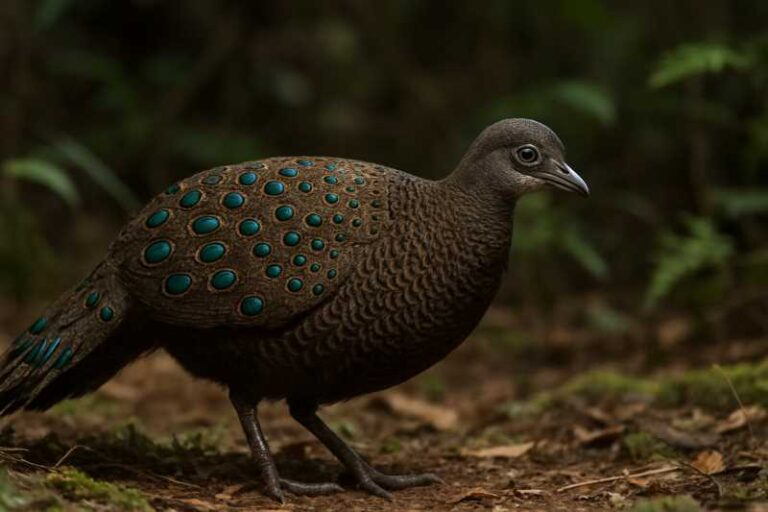
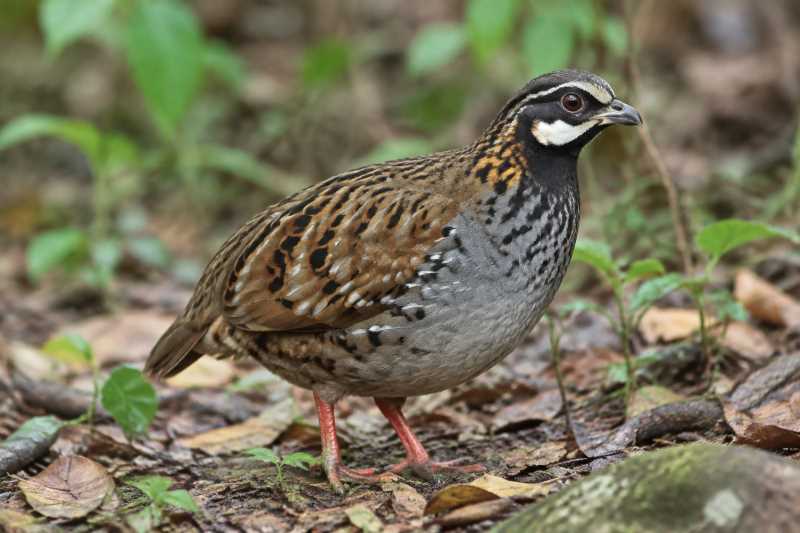
The White-cheeked Partridge is a medium-sized bird, measuring approximately 28 to 30 centimeters in length. It is characterized by its striking plumage, which includes a predominantly brown body with intricate patterns that offer effective camouflage within its forest habitat. The bird’s most distinguishing feature is its white cheek patch, which contrasts sharply with its dark throat and face. This white patch is more prominent in males, making it a key feature for gender identification.
Behavior and Diet
These partridges are primarily ground-dwellers, spending most of their time foraging for food on the forest floor. Their diet consists mainly of seeds, berries, and small invertebrates, which they find by scratching through leaf litter. White-cheeked Partridges are known for their elusive behavior and are often heard rather than seen. They communicate using a variety of calls, particularly during the breeding season, which helps them maintain contact in the dense forest environment.
Breeding and Reproduction
The breeding season for White-cheeked Partridges typically coincides with the rainy season, which varies depending on their geographical location. During this time, males engage in elaborate displays to attract females, including vocalizations and physical displays. Once a pair forms, they work together to build a nest, usually a shallow depression in the ground lined with leaves. The female typically lays between four to six eggs, which both parents incubate. After hatching, the chicks are precocial and leave the nest shortly after birth to follow their parents.
Conservation Status
The conservation status of the White-cheeked Partridge is currently listed as "Least Concern" by the International Union for Conservation of Nature (IUCN). However, like many forest-dwelling species, they face a number of threats that could impact their populations in the future. Habitat loss due to deforestation and agricultural expansion poses the greatest risk to their survival. Additionally, hunting for food and the pet trade further threaten their numbers in some regions.
Conservation Efforts
Efforts to conserve the White-cheeked Partridge and its habitat are crucial for ensuring the species’ long-term survival. Protected areas and national parks in Southeast Asia play a significant role in safeguarding these birds and their ecosystems. Conservation organizations are working to raise awareness about the importance of preserving forest habitats and are advocating for sustainable land-use practices. Research initiatives are also underway to better understand the species’ behavior, habitat requirements, and population dynamics.
Conclusion
The White-cheeked Partridge is a fascinating species that contributes to the rich biodiversity of Southeast Asia’s forests. While currently not endangered, ongoing conservation efforts are essential to protect these birds from potential threats. By promoting habitat conservation and sustainable practices, we can help ensure that future generations continue to enjoy the presence of this remarkable partridge in the wild.
Final Thoughts
As we continue to explore the natural world, the White-cheeked Partridge serves as a reminder of the intricate and delicate balance that exists within ecosystems. Protecting such species is not only about preserving individual animals but also about maintaining the health and diversity of the environments they inhabit. By fostering a deeper understanding and appreciation of these creatures, we can inspire action to safeguard their future.
Related posts