Introduction
The Green Shrike-babbler, scientifically known as Pteruthius xanthochlorus, is a captivating avian species that inhabits the montane forests of South Asia, primarily in the Himalayan regions. This bird is a member of the family Vireonidae, which includes various species of shrike-babblers and vireos. It is renowned for its vibrant plumage and distinct vocalizations, making it a favorite among birdwatchers and ornithologists alike.
Taxonomy and Classification
The Green Shrike-babbler belongs to the genus Pteruthius, which is part of the family Vireonidae. Initially classified under the family Timaliidae, recent phylogenetic studies using DNA sequencing have repositioned it within the vireos. This reclassification underscores the dynamic nature of avian taxonomy as new technologies and methods provide deeper insights into the evolutionary relationships between species.
Physical Description
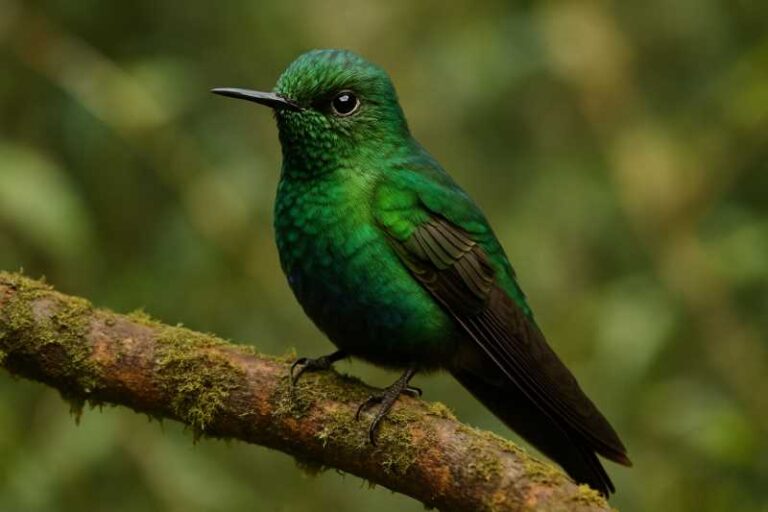
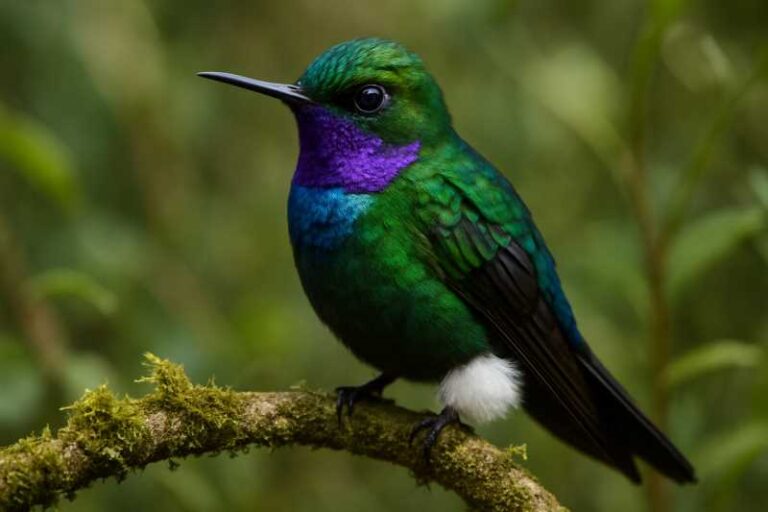
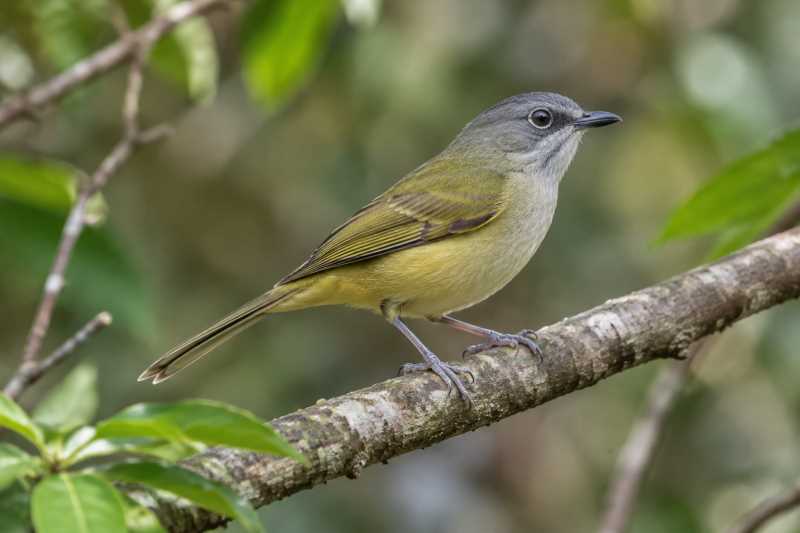
The Green Shrike-babbler is a medium-sized bird, measuring approximately 13 to 15 centimeters in length. Its most striking feature is its bright green plumage, which provides excellent camouflage against the lush greenery of its forest habitat. The bird’s head is olive-green, with a conspicuous white eye-ring and a short, stout bill adapted for its insectivorous diet. The wings are dark with white wing bars, and the underside ranges from yellowish-green to olive.
Habitat and Distribution
This species predominantly resides in the temperate forests of the Himalayas, found at elevations ranging from 1,500 to 3,500 meters. Its range includes countries such as India, Nepal, Bhutan, and Myanmar. The Green Shrike-babbler prefers dense, humid forests with abundant undergrowth, which provide ample food resources and nesting sites.
Behavior and Ecology
Diet
The Green Shrike-babbler primarily feeds on insects and other small invertebrates. It forages in the mid-canopy and occasionally descends to the lower levels of the forest in pursuit of food. Its robust bill is adept at picking insects off leaves and branches, a behavior typical of shrike-babblers.
Vocalizations
This bird is known for its melodious calls and songs, which play a crucial role in communication among individuals. The calls are often a series of clear, whistling notes that can be heard echoing through the forest. These vocalizations are used for various purposes, including mate attraction, territory defense, and signaling alarm.
Breeding
The breeding season of the Green Shrike-babbler coincides with the onset of the monsoon, usually from April to July. During this time, males engage in elaborate displays to attract females. The species is monogamous, with both parents participating in nest building, incubation, and feeding of the chicks. Nests are typically cup-shaped and constructed with twigs, moss, and leaves, strategically placed in a fork of a tree branch.
Conservation Status
Currently, the Green Shrike-babbler is listed as a species of ‘Least Concern’ by the International Union for Conservation of Nature (IUCN). Despite this status, there are concerns about habitat loss due to deforestation and land conversion for agriculture. Conservation efforts are essential to ensure the preservation of its natural habitat and to monitor population trends.
Importance to Ecosystems
As an insectivorous bird, the Green Shrike-babbler plays a vital role in controlling insect populations, thereby contributing to the ecological balance of its habitat. Moreover, by participating in seed dispersal through its diet, it aids in forest regeneration and biodiversity maintenance.
Research and Observation
Research on the Green Shrike-babbler provides valuable insights into avian ecology, behavior, and evolution. Ornithologists continue to study its role within the ecosystem and its responses to environmental changes. Birdwatchers often report sightings and contribute to citizen science projects, enhancing our understanding of this species’ distribution and population dynamics.
Conclusion
The Green Shrike-babbler is a remarkable bird that embodies the rich biodiversity of the Himalayan forests. Its vibrant appearance, distinctive calls, and ecological significance make it a subject of interest for both scientists and nature enthusiasts. Continued research and conservation efforts are paramount to ensure that this species thrives in its natural habitat, providing a glimpse into the intricate web of life that constitutes our planet’s ecosystems.
Related posts