The Enigmatic Rufous-headed Chachalaca: An Ornithological Marvel
The Rufous-headed Chachalaca (Ortalis erythroptera) is a captivating bird species that belongs to the Cracidae family, which encompasses a variety of chachalacas, guans, and curassows. Endemic to the neotropical regions of Ecuador and Peru, this bird is renowned for its distinctive vocalizations and striking appearance. As we delve into the world of the Rufous-headed Chachalaca, we uncover the ecological significance, behavior, and conservation concerns surrounding this remarkable avian species.
Taxonomy and Distribution
The Rufous-headed Chachalaca, scientifically named Ortalis erythroptera, was first described in the mid-19th century. This bird is part of the genus Ortalis, which comprises various species of chachalacas. The species is predominantly found in the western lowland forests and subtropical or tropical moist lowland forests of Ecuador and the adjacent northern regions of Peru.
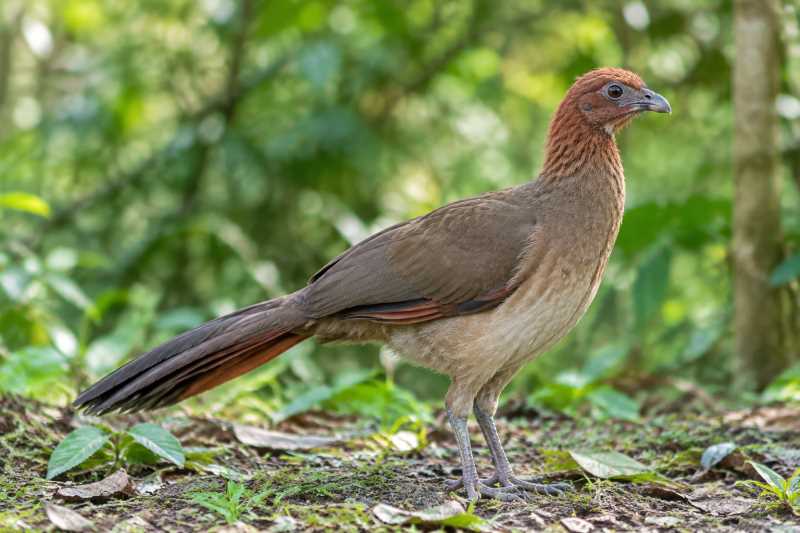
Characterized by its rufous-colored head, this bird can be easily distinguished from other chachalacas. The rest of its plumage is predominantly olive-brown, providing effective camouflage within its natural habitat. Its long tail, adorned with broad white tips, adds to its distinctive appearance.
Behavioral Characteristics
Rufous-headed Chachalacas are social birds, often seen in small family groups. They are known for their loud, raucous calls that are most prominent during dawn and dusk. These vocalizations are not only a means of communication between individuals but also serve as territorial markers. The cacophonous calls of chachalacas have become synonymous with the soundscape of their habitat.
Primarily frugivorous, the Rufous-headed Chachalaca plays a vital role in seed dispersal, contributing to the ecological balance of its environment. The bird’s diet also includes leaves, flowers, and occasionally insects, showcasing its adaptability to available food resources.
Habitat and Ecology
The Rufous-headed Chachalaca thrives in diverse forest habitats, ranging from lowland rainforests to subtropical moist forests. These environments provide ample food resources and shelter, crucial for the survival of the species. The bird’s preference for dense understory vegetation underscores its reliance on forested areas for foraging and nesting.
Chachalacas are arboreal and terrestrial by nature. They spend considerable time foraging on the forest floor, yet they roost and nest in trees. The construction of their nests, typically a simple platform of sticks and leaves, is usually done in dense foliage to protect against predators.
Conservation Status and Threats
The Rufous-headed Chachalaca is currently listed as Near Threatened on the IUCN Red List. Habitat destruction, primarily due to deforestation and agricultural expansion, poses a significant threat to the species. The fragmentation of their habitat reduces available resources and breeding grounds, leading to population declines.
Conservation efforts are crucial in safeguarding the future of the Rufous-headed Chachalaca. Protecting their natural habitats through the establishment of reserves and national parks is a vital step in preserving the biodiversity of the regions they inhabit. Additionally, raising awareness about the ecological value of this species can bolster conservation initiatives.
Importance to Ecosystems
The Rufous-headed Chachalaca is integral to the ecosystems it inhabits. As a primary seed disperser, the bird contributes to the propagation of various plant species, facilitating forest regeneration. This ecological role underscores the interconnectedness of flora and fauna within these habitats.
Moreover, the presence of chachalacas is often an indicator of a healthy and functioning ecosystem. Their decline, therefore, serves as a warning signal for environmental degradation, prompting conservationists to address underlying issues.
Conclusion
The Rufous-headed Chachalaca is more than just a bird with an enchanting call and striking appearance; it is a keystone species within its ecosystem. Understanding its behavior, ecological significance, and the challenges it faces is imperative for its conservation.
Efforts to protect the Rufous-headed Chachalaca must be reinforced through collaborative initiatives involving local communities, conservation organizations, and government bodies. By safeguarding this species, we not only preserve a unique avian marvel but also the intricate ecosystems that sustain biodiversity in the neotropics. In doing so, we ensure that the natural symphonies of the Rufous-headed Chachalaca continue to resonate through the forests for generations to come.
Related posts