The Western Violet-backed Sunbird: Jewel of the African Skies
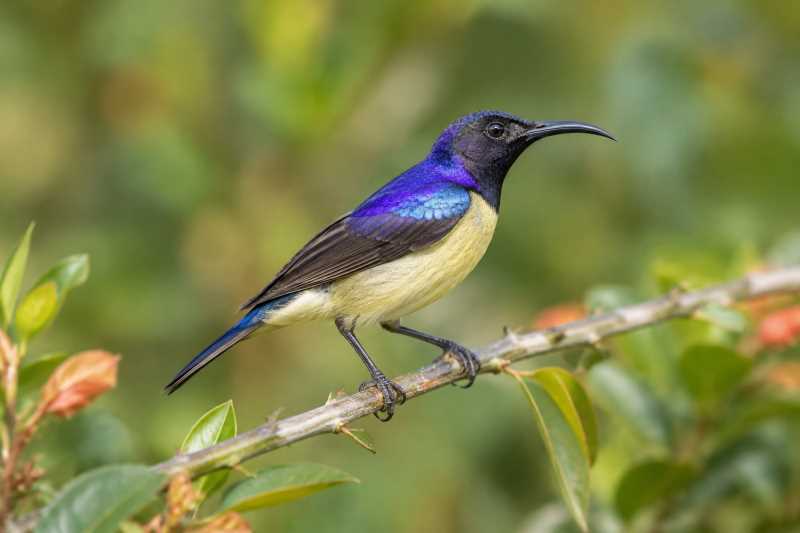
The Western Violet-backed Sunbird (Anthreptes longuemarei) is a captivating avian species that enthralls bird enthusiasts and ornithologists alike. This diminutive bird, belonging to the family Nectariniidae, is a symbol of the vibrant biodiversity found in the tropical regions of Africa. With its striking plumage and unique behaviors, the Western Violet-backed Sunbird is a subject of both admiration and scientific study.
Habitat and Distribution
The Western Violet-backed Sunbird is predominantly found in the West African region, thriving in countries such as Senegal, Gambia, Guinea, and extending eastwards to Nigeria and Cameroon. Its preferred habitats include savannas, woodlands, and occasionally, gardens in rural and suburban areas. These environments provide ample opportunities for feeding and nesting, making them ideal for the sunbird’s lifestyle.
The adaptability of the Western Violet-backed Sunbird to different habitats, including degraded forests and human-altered landscapes, underscores its resilience. However, while it is not currently considered threatened, ongoing habitat degradation and climate change pose future risks to its population.
Physical Characteristics
The Western Violet-backed Sunbird is a small bird, measuring approximately 9 to 10 centimeters in length. Despite its size, it boasts a dazzling array of colors that make it stand out in the avian world. The male sunbird is particularly notable for its iridescent violet back, which shimmers brilliantly in sunlight. This vibrant coloration is complemented by a metallic green head and upperparts, a combination that is both striking and functional, aiding in camouflage among foliage.
The female, in contrast, exhibits more subdued hues, with olive-green upperparts and a yellowish underbelly. This sexual dimorphism is common among sunbirds, driven by the differing roles and behaviors in mating and survival strategies.
Feeding and Behavior
The diet of the Western Violet-backed Sunbird is primarily nectar-based, making it a key pollinator in its ecosystem. Its long, curved bill and specialized tongue are perfectly adapted for extracting nectar from tubular flowers. In addition to nectar, the sunbird also feeds on insects and spiders, providing a vital balance in its nutritional intake and contributing to insect population control.
Western Violet-backed Sunbirds are known for their energetic and agile flight, often seen flitting between flowers with incredible speed and precision. Their feeding behavior is not only a spectacle but also crucial for the cross-pollination of many flowering plants, highlighting their ecological importance.
Reproduction and Lifespan
Breeding for the Western Violet-backed Sunbird typically coincides with the rainy season when food resources are abundant. The male sunbird engages in elaborate displays to attract a mate, showcasing its plumage and vocal abilities. Once a pair is formed, the female takes on the primary role of constructing the nest, a delicate structure made from grass, leaves, and spider webs, intricately woven to ensure stability.
The female lays a clutch of two to three eggs, which she incubates for about two weeks. After hatching, both parents are involved in feeding the chicks, though the female often contributes more to nurturing the young. The fledglings leave the nest after approximately 15 to 20 days, though parental care may continue for a short period thereafter.
Conservation Status
Currently, the Western Violet-backed Sunbird is classified as a species of Least Concern by the International Union for Conservation of Nature (IUCN). However, this status does not imply immunity from future threats. Habitat destruction due to agricultural expansion, logging, and urbanization poses significant risks. Moreover, climate change may alter the availability of nectar sources, affecting food supply and breeding patterns.
Conservation efforts focusing on habitat preservation and restoration are paramount to ensuring the long-term survival of this species. Initiatives aimed at sustainable land management and the promotion of biodiversity-friendly practices can help mitigate the impact of human activities.
Conclusion
The Western Violet-backed Sunbird is a vibrant representative of Africa’s rich avian diversity. Its role as a pollinator underscores the interconnectedness of species within ecosystems and the importance of preserving natural habitats. As we continue to study and admire these remarkable birds, it is essential to support conservation efforts that protect not only the Western Violet-backed Sunbird but the myriad of life forms that share its world.
By understanding and appreciating the intricacies of their existence, we can foster a deeper connection with nature and contribute to the preservation of our planet’s natural heritage.
Related posts