The Flappet Lark: An Avian Marvel of Grasslands
The Flappet Lark, scientifically known as Mirafra rufocinnamomea, is an intriguing member of the Alaudidae family, often found flitting gracefully across the savannas and grasslands of Africa. This species, with its distinctive flight pattern and remarkable adaptability, plays a critical role in its ecosystem, making it a subject of interest for ornithologists and bird enthusiasts alike.
Physical Characteristics
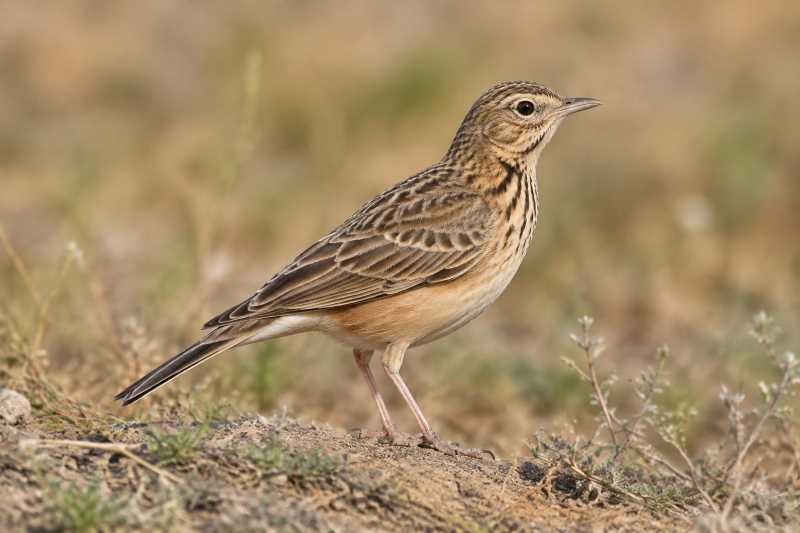
The Flappet Lark is a medium-sized bird, typically measuring between 15 to 17 centimeters in length. Its plumage is primarily a blend of rufous and cinnamon, a coloration that provides excellent camouflage against the earth-toned grasses of its habitat. The underparts are generally lighter, often exhibiting a white or buff hue. This bird’s wings and tail are marked with subtle patterns that, although not strikingly colorful, are perfectly suited for its lifestyle and environment.
One of the most distinctive features of the Flappet Lark is its flight display. During the breeding season, males perform an aerial display known as "flapping," where they ascend into the air, closing and opening their wings in quick succession, producing a sound reminiscent of a rubber band snapping. This unique flapping sound is not only a courtship display but also serves to establish territory among rival males.
Habitat and Distribution
The Flappet Lark is widely distributed across sub-Saharan Africa, inhabiting a range of environments from the dry savannas of West Africa to the moist grasslands of East Africa. It thrives in open landscapes where grasses are predominant, avoiding dense forests or overly arid deserts. This adaptability to different grassland types has allowed the Flappet Lark to maintain a stable population across its range, despite the pressures of habitat alteration and climate change.
Interestingly, the Flappet Lark can be found at various altitudes, from sea level to higher elevations in the Ethiopian highlands. This altitude versatility speaks to its ecological adaptability, allowing it to exploit diverse niches within the grassland biome.
Behavior and Diet
Flappet Larks are primarily ground-dwelling birds, foraging for food on the ground. Their diet is largely insectivorous, consisting of ants, beetles, grasshoppers, and other small invertebrates, which they deftly pick from the ground or low vegetation. During certain times of the year, they may also consume seeds and other plant materials, showcasing their opportunistic feeding behavior.
The social structure of Flappet Larks is generally solitary or in pairs, especially during the breeding season. However, they can sometimes be observed in small flocks outside the breeding period, particularly when foraging in areas with abundant food resources.
Breeding and Reproduction
The breeding season of the Flappet Lark coincides with the rainy season, ensuring that food resources are abundant for raising young. During this period, males become highly territorial, engaging in their iconic flight displays to attract females and deter rivals. The nests are built on the ground, often well-hidden among tufts of grass or small shrubs, providing protection from predators and the elements.
Females lay a clutch of 2 to 4 eggs, which are incubated for approximately two weeks. Both parents typically participate in feeding the chicks, which fledge after about 10 to 14 days. The relatively short breeding cycle allows Flappet Larks to take advantage of favorable conditions, often producing multiple broods within a single season if conditions permit.
Conservation Status and Challenges
Currently, the Flappet Lark is not considered to be at significant risk, with the IUCN listing it as a species of Least Concern. Its wide distribution and adaptability have shielded it somewhat from the habitat loss and degradation that threaten many other bird species. However, ongoing threats such as agricultural expansion, pesticide use, and climate change could pose future risks to its populations.
Conservation efforts aimed at protecting grassland habitats and promoting sustainable agricultural practices will be essential in ensuring the continued survival of the Flappet Lark. Additionally, raising awareness about the ecological importance of grassland birds could foster greater appreciation and support for their conservation.
Conclusion
The Flappet Lark is a testament to the beauty and resilience of grassland avian species. Its unique behaviors, adaptability, and ecological role make it a fascinating subject for study and admiration. As we continue to face global environmental challenges, understanding and preserving such species will be crucial in maintaining the biodiversity and health of grassland ecosystems.
Related posts