Discovering the Enigmatic Speckled Boobook: A Comprehensive Overview
The natural world is brimming with intriguing creatures, each with its own role in the ecosystem and story to tell. Among these fascinating species is the Speckled Boobook (Ninox punctulata), a captivating bird of prey that garners admiration and interest from ornithologists and birdwatching enthusiasts alike.
Habitat and Distribution
The Speckled Boobook is native to the tropical and subtropical forests of Southeast Asia, with a distribution range that includes parts of Indonesia and surrounding islands. These nocturnal birds prefer dense forest environments, thriving in the undisturbed canopy where they can effectively hunt and nest. The lush habitats provide ample opportunities for camouflage and protection, vital for both hunting and raising their young.
Physical Characteristics
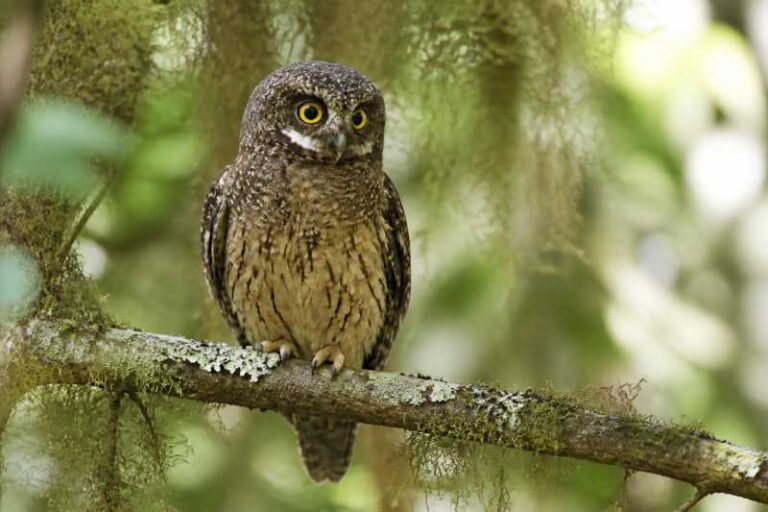
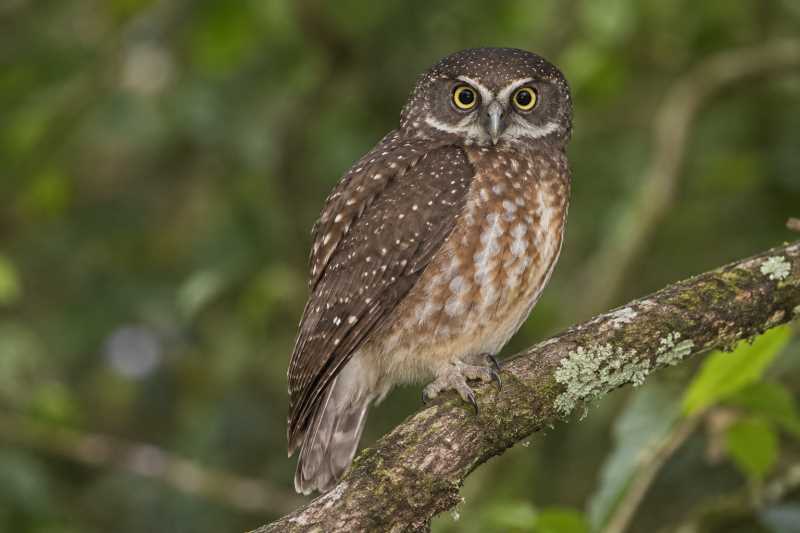
The Speckled Boobook is a medium-sized owl, measuring approximately 25 to 30 centimeters in length. Its plumage is a masterclass in natural camouflage, predominantly brown with a distinctive speckled pattern that aids in blending with the forest environment. This speckling is not only visually striking but also crucial for avoiding detection by both prey and potential predators.
The bird’s rounded head, large forward-facing eyes, and sharp talons are characteristic of the Strigidae family, to which the Speckled Boobook belongs. Its eyes are particularly noteworthy, providing excellent night vision essential for its nocturnal lifestyle. Unlike some other owl species, the Speckled Boobook lacks ear tufts, giving it a more streamlined appearance.
Behavior and Diet
As a nocturnal predator, the Speckled Boobook is most active during the night. It primarily feeds on a diet of insects, small mammals, and occasionally, other birds. Its hunting strategy involves a combination of silent flight, acute hearing, and exceptional vision, allowing it to pinpoint and capture prey with remarkable precision.
The owl’s call is another defining characteristic, often described as a series of rhythmic hoots that can be heard echoing through the forest at night. These vocalizations play a crucial role in territory establishment and mate attraction, particularly during the breeding season.
Breeding and Life Cycle
The breeding season for the Speckled Boobook typically coincides with the onset of the rainy season, a time when food resources are abundant. Nesting generally occurs in tree hollows, which offer protection from predators and harsh weather conditions. The female typically lays between two to three eggs, with both parents involved in incubation and subsequent care of the chicks.
Once hatched, the young are dependent on their parents for food and protection. The fledging period lasts several weeks, during which the chicks learn essential survival skills. Parental investment is significant, as successful rearing of offspring is crucial for the continuation of the species.
Conservation Status
Currently, the Speckled Boobook is not listed as endangered, but like many forest-dependent species, it faces ongoing threats from habitat destruction and deforestation. The preservation of its natural habitat is vital to ensuring its continued survival. Conservation efforts are focused on protecting forest areas and promoting sustainable land use practices.
Human Interaction and Cultural Significance
In regions where the Speckled Boobook is found, it holds cultural significance and is often regarded with a sense of awe and respect. Its presence in folklore and local traditions underscores the deep connection between the bird and the communities that share its habitat.
Birdwatching has become an increasingly popular activity, and the Speckled Boobook, with its elusive nature and distinctive call, is often a sought-after sighting. This growing interest in birdwatching can play a positive role in conservation, raising awareness about the species and the importance of preserving its natural habitat.
Conclusion
The Speckled Boobook (Ninox punctulata) is a testament to the wonders of the avian world, showcasing a unique blend of beauty, mystery, and ecological importance. As we continue to learn more about this remarkable species, it serves as a reminder of the intricate balance within ecosystems and our role in safeguarding the natural world.
By understanding and appreciating the Speckled Boobook, we not only enrich our knowledge of biodiversity but also contribute to the broader effort of conserving the planet’s invaluable wildlife heritage. Whether through scientific study or the simple joy of birdwatching, every effort counts in ensuring that future generations will also have the opportunity to marvel at this fascinating bird.
Related posts