Introduction
The Selayar Whistler, scientifically known as Pachycephala teysmanni, is a captivating avian species that draws significant attention from ornithologists and bird enthusiasts alike. This bird is part of the Pachycephalidae family and is renowned for its distinct vocalizations and unique habitat requirements. As its name suggests, the Selayar Whistler is endemic to the Selayar Islands in Indonesia, a region celebrated for its rich biodiversity and ecological significance.
Taxonomy and Classification
The Selayar Whistler belongs to the genus Pachycephala, which includes a variety of whistlers distributed across Australasia and Southeast Asia. The genus name "Pachycephala" is derived from Greek, meaning "thick head," a reference to the robust skulls common among these species. Pachycephala teysmanni was first described in the late 19th century, and since then, it has intrigued scientists due to its relatively isolated population and specialized adaptations.
Physical Characteristics
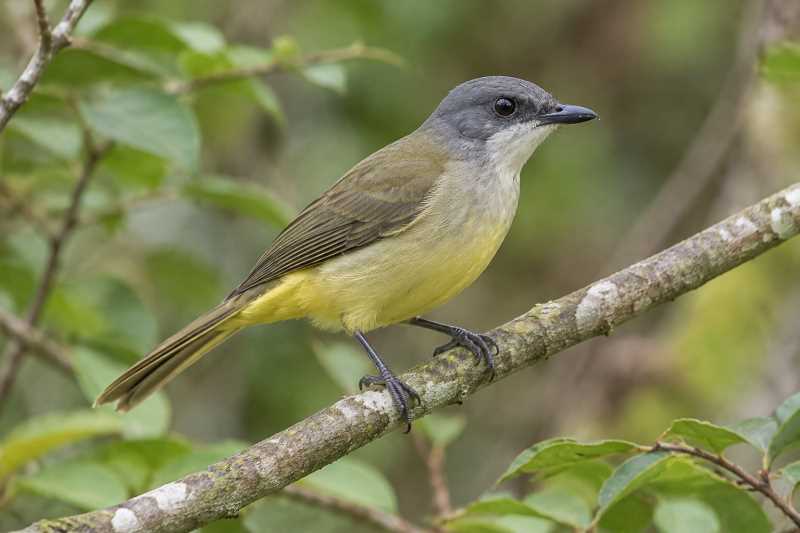
The Selayar Whistler is a medium-sized bird, typically measuring around 17 to 20 centimeters in length. It exhibits sexual dimorphism, with males and females displaying distinct plumage. Males are notably more colorful, featuring a vivid combination of olive-green and yellow tones with striking black markings on the head. Females, on the other hand, are more subdued in color, with browner hues and less prominent markings. This dimorphism plays a role in mating and social interactions within the species.
Habitat and Distribution
The Selayar Whistler is exclusively found on the Selayar Islands, situated off the southern coast of Sulawesi, Indonesia. This isolation has led to the development of unique ecological traits within the species. The islands provide a diverse range of habitats, including lowland rainforests, mangroves, and coastal areas, which support the varied needs of the Selayar Whistler. The bird primarily inhabits dense forest regions, where it can find ample food resources and nesting sites.
Behavior and Ecology
Selayar Whistlers are known for their complex and melodious songs, which are used for communication and territorial defense. These vocalizations are a defining feature of the species and contribute to their local cultural significance. The songs consist of a series of whistles and trills, with each individual having a slightly different variation.
In terms of diet, the Selayar Whistler is primarily insectivorous, feeding on a variety of insects, spiders, and other small invertebrates. This diet is supplemented by occasional consumption of fruits and seeds, particularly during the breeding season when energy demands are higher. The bird is an agile forager, capable of gleaning prey from foliage with precision.
Breeding and Reproduction
Breeding typically occurs during the wet season, when food resources are abundant. The Selayar Whistler constructs its nests in the dense foliage of trees, often selecting sites that provide ample cover from predators. Both males and females participate in nest building, incubation, and chick rearing, displaying a high degree of parental investment.
Clutch sizes are generally small, with two to three eggs per breeding attempt. The eggs are incubated for approximately 14 to 16 days, after which the chicks hatch and are fed by both parents. Fledging occurs about two weeks post-hatch, though juveniles may remain dependent on parental care for some time thereafter.
Conservation Status
The Selayar Whistler is currently classified as Near Threatened by the International Union for Conservation of Nature (IUCN). The primary threat to the species is habitat loss due to deforestation and land conversion for agriculture and development. The limited range of the Selayar Whistler makes it particularly vulnerable to environmental changes and human activities.
Conservation efforts are underway to protect the remaining habitats on the Selayar Islands. These efforts include establishing protected areas and promoting sustainable land-use practices that balance human needs with ecological preservation. Public awareness campaigns are also crucial in garnering local support for conservation initiatives.
Importance to Ecosystem
As an insectivore, the Selayar Whistler plays a vital role in controlling insect populations, contributing to the overall health of its habitat. Its presence is indicative of a well-functioning ecosystem, and the bird’s vocalizations add to the acoustic diversity of the Selayar Islands. Furthermore, the Selayar Whistler holds cultural significance for local communities, symbolizing the unique natural heritage of the region.
Conclusion
The Selayar Whistler, with its distinct characteristics and ecological importance, serves as a symbol of the intricate biodiversity found within the Selayar Islands. Protecting this species is not only crucial for maintaining ecological balance but also for preserving the cultural and natural legacy of the region. Continued scientific research and conservation efforts are essential to ensure that future generations can experience the beauty and wonder of the Selayar Whistler.
References
- BirdLife International. "Pachycephala teysmanni." The IUCN Red List of Threatened Species.
- Del Hoyo, J., Elliot, A., & Christie, D. A. (Eds.). (2007). Handbook of the Birds of the World. Vol. 12. Picathartes to Tits and Chickadees. Lynx Edicions.
- Coates, B. J., & Bishop, K. D. (1997). A Guide to the Birds of Wallacea: Sulawesi, The Moluccas and Lesser Sunda Islands, Indonesia. Dove Publications.
Meta Title
Selayar Whistler: A Unique Bird of Indonesia
Meta Description
Discover the Selayar Whistler, its habitat, behavior, and conservation efforts. Learn about this unique bird species native to Indonesia’s Selayar Islands.
Related posts