The Moluccan Starling: A Jewel of the Indonesian Archipelago
In the vast and vibrant tapestry of the Indonesian archipelago, the Moluccan Starling (Aplonis mysolensis) stands out as an intriguing yet lesser-known avian species. Possessing a blend of subtle beauty and ecological significance, this bird offers a captivating subject for ornithologists and bird enthusiasts alike. This article delves into the remarkable characteristics, habitat, and conservation status of the Moluccan Starling, aiming to highlight its role within the unique ecosystems of its native region.
Taxonomy and Physical Characteristics
The Moluccan Starling belongs to the Sturnidae family, which comprises numerous starling species known for their vocal abilities and adaptability. Aplonis is a genus within this family, with the Moluccan Starling, also known as the Moluccan Glossy Starling, being one of its representatives.
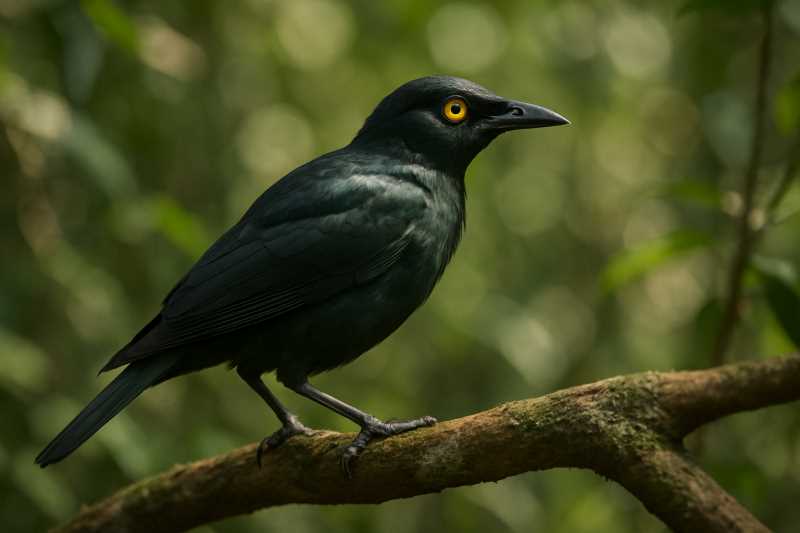
Physically, the Moluccan Starling is a medium-sized bird, typically measuring between 20 to 25 centimeters in length. It boasts a sleek and glossy plumage that exhibits a subtle interplay of colors, often appearing black with a greenish sheen under the sunlight. Its eyes are a striking pale yellow, providing a stark contrast to its darker feathers, while its beak and legs are typically black. These features not only contribute to its aesthetic appeal but also aid in its identification among other starling species.
Habitat and Distribution
The natural habitat of the Moluccan Starling is predominantly the lowland forests and wooded areas found across the Moluccan Islands, specifically in Indonesia. These islands are part of the larger Maluku archipelago, which is renowned for its rich biodiversity. The bird is primarily found on the islands of Seram, Ambon, and Buru, where it thrives in both primary and secondary forests.
The Moluccan Starling’s preference for dense forested environments is vital for its nesting and feeding habits. It often resides in the middle to upper canopy layers, where it can forage for fruits, insects, and other small invertebrates, thereby playing a crucial role in seed dispersal and pest control within its ecosystem.
Behavioral Traits
A social and vocal species, the Moluccan Starling is often observed in small flocks, particularly during feeding and roosting activities. Its vocalizations are varied and melodious, comprising a series of whistles, clicks, and chatter. These vocal traits not only facilitate communication among flock members but also play a role in mating rituals and territorial defense.
The breeding season of the Moluccan Starling is typically aligned with the tropical climate, with nesting occurring during the wetter months. The birds construct their nests in tree cavities, often using twigs, leaves, and other natural materials to create a secure environment for their offspring. Both parents are actively involved in nurturing the young, from incubation through to fledging.
Conservation Status and Challenges
Currently, the Moluccan Starling is classified as “Least Concern” by the International Union for Conservation of Nature (IUCN). Despite this seemingly secure status, the bird faces several challenges that could potentially impact its population dynamics in the future.
One of the primary threats to the Moluccan Starling is habitat loss due to deforestation and land conversion for agricultural purposes. As human activities increasingly encroach upon the natural landscapes of the Moluccan Islands, the availability of suitable habitats for the starling diminishes. Additionally, illegal logging and mining operations further exacerbate habitat degradation.
Climate change poses another significant threat, as shifts in weather patterns can affect the availability of food resources and nesting sites. Changes in precipitation and temperature can also alter the delicate balance of the ecosystems in which these birds reside.
Conservation Efforts and Future Outlook
To safeguard the future of the Moluccan Starling, concerted conservation efforts are essential. Protecting the forested habitats of the Moluccan Islands is paramount, requiring collaboration between government entities, conservation organizations, and local communities. Sustainable land management practices and the establishment of protected areas can help preserve the ecological integrity of these regions.
Raising awareness about the ecological significance of the Moluccan Starling is another crucial step. Through education and community engagement, the intrinsic value of this species can be communicated, fostering a sense of stewardship among local populations. Additionally, further research into the ecology and behavior of the Moluccan Starling can provide valuable insights, aiding in the development of targeted conservation strategies.
In conclusion, the Moluccan Starling is a vibrant component of Indonesia’s avian fauna, embodying the rich biodiversity of the Moluccan Islands. While it currently enjoys a stable conservation status, proactive measures are necessary to ensure its continued presence for future generations. By addressing the challenges it faces and promoting sustainable practices, we can help secure a thriving future for this captivating bird and its habitat.
Meta Title
Moluccan Starling: Aplonis mysolensis Insights
Meta Description
Explore the Moluccan Starling’s unique traits, habitat, and conservation, highlighting its ecological role in Indonesia’s biodiversity-rich Moluccan Islands.
Related posts