The Enigmatic Nicobar Hooded Pitta: A Jewel of the Rainforest
Introduction
The Nicobar Hooded Pitta (Pitta abbotti) is a captivating bird species endemic to the Nicobar Islands, India. Known for its vibrant plumage and elusive nature, this bird is a subject of fascination for ornithologists and bird enthusiasts alike. This article delves into the intricate details of the Nicobar Hooded Pitta, exploring its habitat, behavior, conservation status, and the efforts being made to preserve its natural habitat.
Appearance and Physical Characteristics
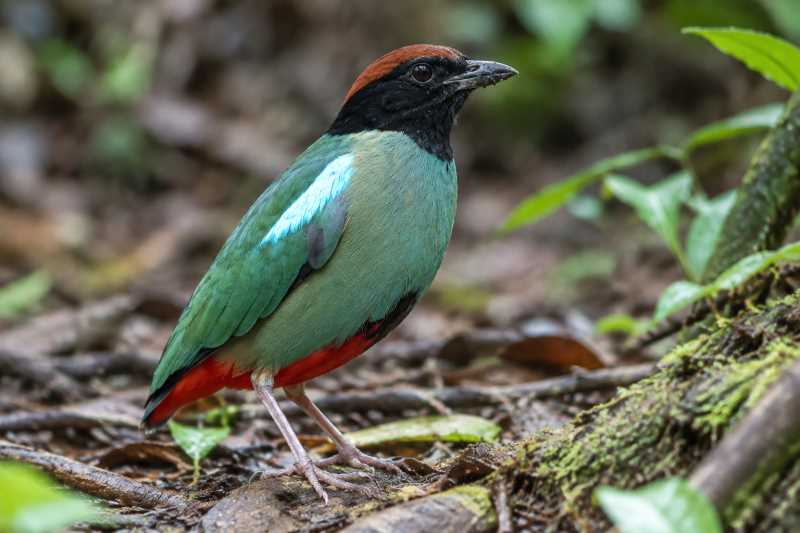
The Nicobar Hooded Pitta is renowned for its striking appearance. It boasts a vivid green body with a black head and chest, giving it the "hooded" appearance that contributes to its name. The wings are adorned with splashes of blue, while the underparts display a brilliant red. These vibrant colors not only make the Pitta visually appealing but also play a role in its mating rituals and territorial displays.
Measuring approximately 16-19 cm in length, the Nicobar Hooded Pitta is relatively small, with a sturdy build typical of the Pitta family. Its strong legs facilitate its ground-dwelling lifestyle, allowing it to hop energetically across the forest floor in search of food.
Habitat and Distribution
The Nicobar Hooded Pitta is endemic to the Nicobar Islands, a remote archipelago in the eastern Indian Ocean. These islands provide the perfect habitat for the Pitta, comprising dense tropical rainforests, mangroves, and coastal areas. The bird prefers undisturbed forest regions where it can forage for insects, its primary diet, and find suitable nesting sites.
The isolation of the Nicobar Islands has allowed this species to evolve unique characteristics, making it distinct from other Pitta species. However, this isolation also makes the Pitta vulnerable to habitat loss and environmental changes.
Behavior and Ecology
The Nicobar Hooded Pitta is a shy and elusive bird, often heard before it is seen. It produces a distinctive two-note whistle that pierces through the dense forest canopy, serving as a territorial call. This call is a key identifier for birdwatchers and researchers trying to locate the Pitta in its natural habitat.
As ground-dwellers, these birds spend much of their time foraging for insects, worms, and other invertebrates in the leaf litter. Their strong, curved beaks are perfectly adapted for digging into the soil and undergrowth to uncover hidden prey. Despite their vibrant colors, they can be surprisingly difficult to spot due to their preference for the forest floor and their ability to remain motionless when threatened.
The breeding season for the Nicobar Hooded Pitta occurs during the monsoon months, when food is abundant. They build their nests low to the ground, often in dense foliage or hollow logs. Clutch sizes are typically small, with both parents sharing the responsibility of incubating the eggs and feeding the chicks.
Conservation Status and Threats
The Nicobar Hooded Pitta is currently classified as Near Threatened by the International Union for Conservation of Nature (IUCN). The primary threat to its survival is habitat destruction due to deforestation, agricultural expansion, and infrastructure development on the Nicobar Islands.
Additionally, natural disasters, such as the 2004 Indian Ocean tsunami, have had a significant impact on the Nicobar Islands’ ecosystems, further endangering the Pitta’s habitat. Climate change also poses a long-term threat, potentially altering the delicate balance of these island ecosystems.
Conservation Efforts
Efforts to conserve the Nicobar Hooded Pitta focus on habitat preservation and restoration. The establishment of protected areas within the Nicobar Islands is crucial to safeguarding the remaining forested regions. Conservation organizations are working closely with local communities to promote sustainable land-use practices that minimize environmental impact.
Research and monitoring programs are underway to better understand the Pitta’s ecology and population dynamics. These initiatives aim to gather essential data that can inform conservation strategies and policy decisions. Furthermore, educational programs are raising awareness among the local population about the importance of preserving their unique biodiversity and the role they play in conservation efforts.
Conclusion
The Nicobar Hooded Pitta is a symbol of the rich biodiversity found in the Nicobar Islands. Its vibrant colors and elusive nature make it a fascinating subject of study and a vital component of its ecosystem. While facing numerous threats, concerted conservation efforts offer hope for the future of this remarkable bird.
Preserving the Nicobar Hooded Pitta requires a collaborative approach, involving government agencies, conservation organizations, and local communities. By working together, we can ensure that this jewel of the rainforest continues to thrive for generations to come.
References
- BirdLife International. (2020). "Pitta abbotti" IUCN Red List of Threatened Species.
- Rasmussen, P. C., & Anderton, J. C. (2012). "Birds of South Asia: The Ripley Guide."
- Ali, S. (2002). "The Book of Indian Birds".
Author Information
[Author’s Name] is a wildlife biologist and conservationist with over a decade of experience in ornithology and habitat restoration. Passionate about preserving avian biodiversity, [Author’s Name] has contributed to numerous conservation projects across Southeast Asia.
Contact Information
For more information about this article or to learn more about the conservation efforts for the Nicobar Hooded Pitta, please contact [Author’s Email] or visit [Author’s Website].
Related posts