The Enchanting Azure-breasted Pitta: A Jewel of the Philippines
The Azure-breasted Pitta (Pitta steerii), a vibrant and elusive bird species, is a true gem of the Philippine archipelago. Endemic to the islands, this bird captivates ornithologists and bird-watchers alike with its striking colors and intriguing behavior. This article delves into the unique characteristics, habitat, and conservation efforts surrounding this remarkable species.
Appearance and Identification
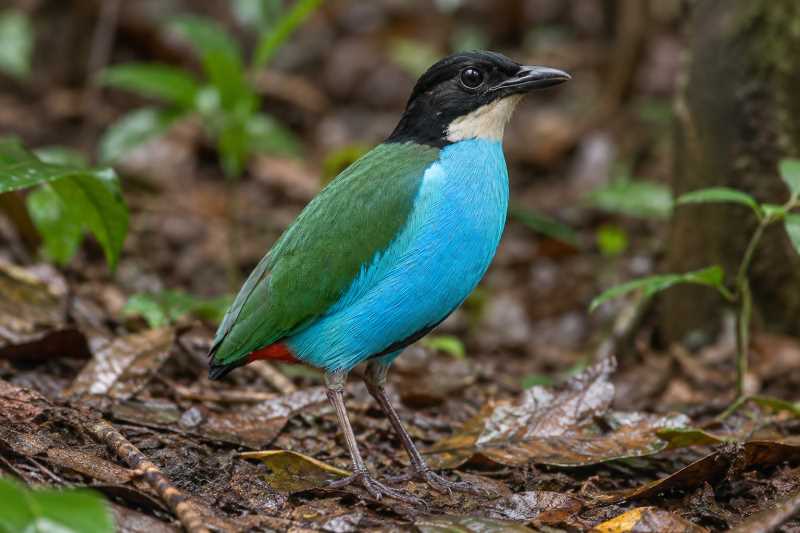
The Azure-breasted Pitta is renowned for its breathtaking plumage, which serves as a visual testament to nature’s artistry. This medium-sized bird boasts a dazzling azure-blue breast that contrasts beautifully with its emerald green back and wings. The head is adorned with a black crown and nape, while the underparts are a soft buff color. Its eyes are strikingly large and dark, giving it a perpetually curious expression.
Both males and females share the same exquisite plumage, making them difficult to distinguish in the wild. Juvenile pittas, however, exhibit more subdued colors, which gradually intensify as they mature. Their vibrant coloration not only makes them a target for bird enthusiasts but also plays a crucial role in their mating displays and territorial behaviors.
Habitat and Distribution
The Azure-breasted Pitta is exclusively found in the Philippines, with its range primarily restricted to the islands of Mindanao and Samar. These birds favor the lowland and montane forests, where dense foliage provides ample cover and a rich supply of food. They thrive in the humid, tropical climate of these regions, particularly in areas with abundant leaf litter and undergrowth.
Their habitat preference makes them particularly vulnerable to the impacts of deforestation and habitat degradation. As human activities continue to encroach upon their natural habitats, the need for effective conservation measures becomes increasingly urgent.
Behavior and Ecology
Azure-breasted Pittas are known for their secretive nature, often staying close to the forest floor as they forage for food. Their diet is primarily insectivorous, consisting of a variety of insects, worms, and other invertebrates. They use their strong beaks to probe through leaf litter and soil, skillfully extracting hidden prey.
During the breeding season, these birds engage in elaborate courtship displays. Males perform a series of calls and physical displays to attract a mate, often involving postures that highlight their vivid plumage. Once paired, both parents participate in nest-building, incubation, and feeding of the young. Their nests are typically well-camouflaged, hidden among dense vegetation to protect against predators.
Conservation Status and Efforts
The Azure-breasted Pitta is currently classified as Near Threatened by the International Union for Conservation of Nature (IUCN). The primary threats to its survival include habitat loss due to logging, agriculture, and urbanization. Additionally, the illegal pet trade poses a significant risk, as these birds are captured for their stunning appearance.
Conservation efforts are underway to protect the remaining populations of Azure-breasted Pittas. These initiatives include habitat restoration projects, establishing protected areas, and raising awareness about the importance of preserving the Philippines’ unique biodiversity. Collaborations between government agencies, non-governmental organizations, and local communities are vital in ensuring the long-term survival of this species.
The Role of Ecotourism
Ecotourism presents a promising avenue for the conservation of the Azure-breasted Pitta. By promoting sustainable tourism practices, local communities can benefit economically while fostering a sense of stewardship for their natural resources. Bird-watching tours focusing on endemic species like the Azure-breasted Pitta not only generate income but also raise awareness about the need to protect these precious habitats.
Conclusion
The Azure-breasted Pitta is a testament to the natural beauty and ecological richness of the Philippines. Efforts to conserve this stunning bird not only help preserve an iconic species but also contribute to the broader goal of protecting the region’s diverse ecosystems. Through continued research, conservation initiatives, and sustainable tourism practices, there is hope that future generations will have the opportunity to witness the splendor of the Azure-breasted Pitta in its natural habitat.
In summary, the Azure-breasted Pitta is more than just a beautiful bird; it is a symbol of the urgent need to protect our planet’s biodiversity. By understanding and appreciating its role within the ecosystem, we take a crucial step towards ensuring a sustainable future for both wildlife and humanity.
Related posts