The Enigmatic Giant Pitta: A Jewel of the Avian World
The Giant Pitta (Hydrornis caeruleus), a captivating and enigmatic species, is one of the most fascinating birds inhabiting the tropical forests of Southeast Asia. Renowned for its striking plumage and elusive nature, the Giant Pitta has long intrigued ornithologists and birdwatchers alike. This article delves into the unique characteristics, habitat, behavior, and conservation status of this remarkable bird.
Physical Characteristics
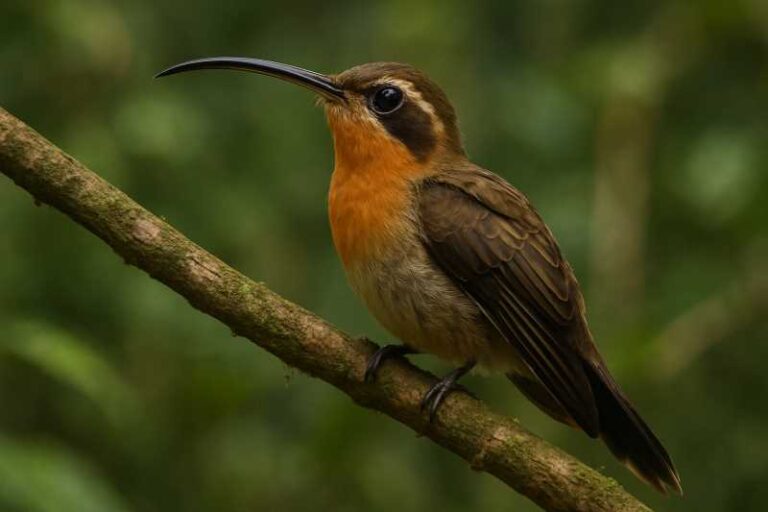
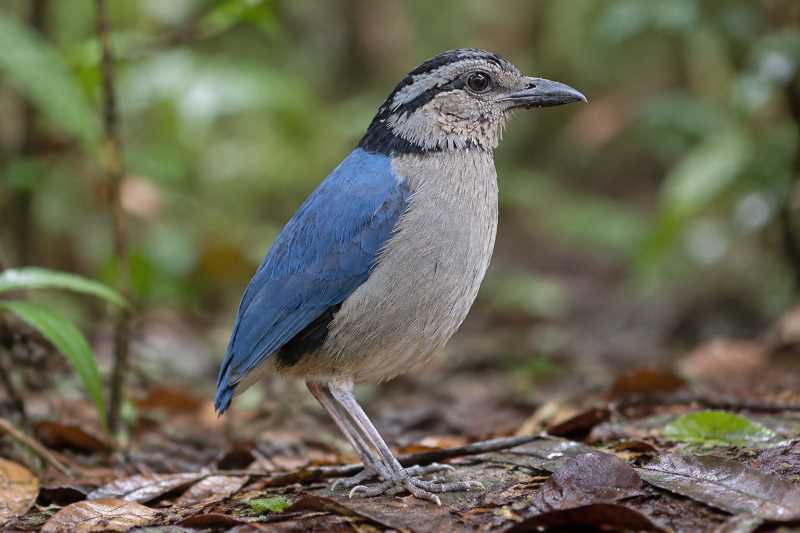
The Giant Pitta is the largest member of the Pitta family, measuring approximately 29 centimeters (11 inches) in length. Its robust body, short tail, and striking plumage make it a visually stunning bird. The male Giant Pitta is particularly notable for its vibrant cobalt-blue upperparts, contrasting sharply with its chestnut underparts and white throat. Females, while less vividly colored, exhibit a more muted palette of greens and browns, providing effective camouflage in their dense forest habitat.
Both sexes have a distinctive black band that runs through the eye, accentuating their intense, dark eyes. Their strong, slightly curved bills are well-suited for digging in the leaf litter, a behavior that is integral to their foraging technique.
Habitat and Distribution
The natural habitat of the Giant Pitta is primarily lowland and hill forests, ranging from southern Thailand and Malaysia to the islands of Borneo and Sumatra. These birds prefer the dense, humid undergrowth of primary and secondary forests, where they can forage undisturbed.
Unfortunately, this preference for pristine forest environments makes the Giant Pitta particularly vulnerable to habitat loss. Deforestation for agriculture, logging, and urban development poses significant threats to their natural habitat, leading to population declines in some areas.
Behavior and Diet
Giant Pittas are solitary and secretive birds, making them a rare sight even for experienced birdwatchers. They are ground-dwellers, spending much of their time foraging among leaf litter for invertebrates such as insects, worms, and snails. Their powerful legs and strong bills enable them to uncover prey hidden beneath debris on the forest floor.
These birds are primarily sedentary, with limited movements outside their established territories. During the breeding season, however, males may become more vocal, using their distinctive calls to attract mates and defend their territory. The breeding season varies across their range but generally coincides with the onset of the rainy season when food resources are abundant.
Reproduction
The breeding habits of the Giant Pitta are not well-documented, largely due to their elusive nature. However, like other pittas, they are believed to construct dome-shaped nests on or near the ground. These nests are typically composed of twigs, leaves, and other plant materials, providing a secure environment for the eggs and young chicks.
Clutch sizes are generally small, with two to four eggs being the norm. Both parents are thought to participate in incubating the eggs and feeding the chicks, although detailed observations are scarce.
Conservation Status
The Giant Pitta is currently classified as Near Threatened by the International Union for Conservation of Nature (IUCN), reflecting its vulnerability to habitat loss. The encroachment of human activities into their forested habitats is the primary threat to their survival. Conservation efforts are essential to preserve the remaining forests and protect the biodiversity within these ecosystems.
Various conservation organizations are working to mitigate these threats by promoting sustainable forestry practices, establishing protected areas, and raising awareness about the importance of preserving these unique habitats. Ecotourism also plays a role, with responsible birdwatching tours helping to generate income that supports local conservation initiatives.
Conclusion
The Giant Pitta, with its striking appearance and elusive behavior, is a symbol of the rich biodiversity found in Southeast Asian forests. While facing significant challenges due to habitat loss, ongoing conservation efforts offer hope for the future of this extraordinary bird. By fostering a deeper understanding and appreciation of the Giant Pitta, we can contribute to the global effort to preserve the natural wonders of our world.
Whether you are a seasoned ornithologist or a casual birdwatcher, the Giant Pitta represents the allure and mystery of the avian world, inspiring continued exploration and conservation of our planet’s diverse ecosystems.
Related posts