The Mariana Fruit Dove: A Jewel of the Pacific
The Mariana Fruit Dove (Ptilinopus roseicapilla) is a vibrantly colored bird that is native to the Mariana Islands in the western Pacific Ocean. It is often referred to as the "gem" of the Marianas due to its striking appearance and the critical role it plays in the island ecosystems. Unfortunately, this species is currently facing numerous threats that have put it on the brink of extinction. This article explores the characteristics, habitat, and conservation efforts surrounding the Mariana Fruit Dove.
Characteristics and Appearance
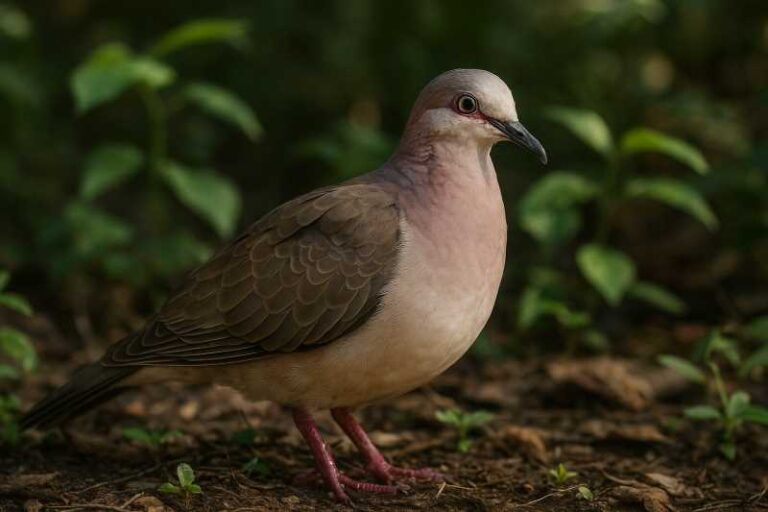
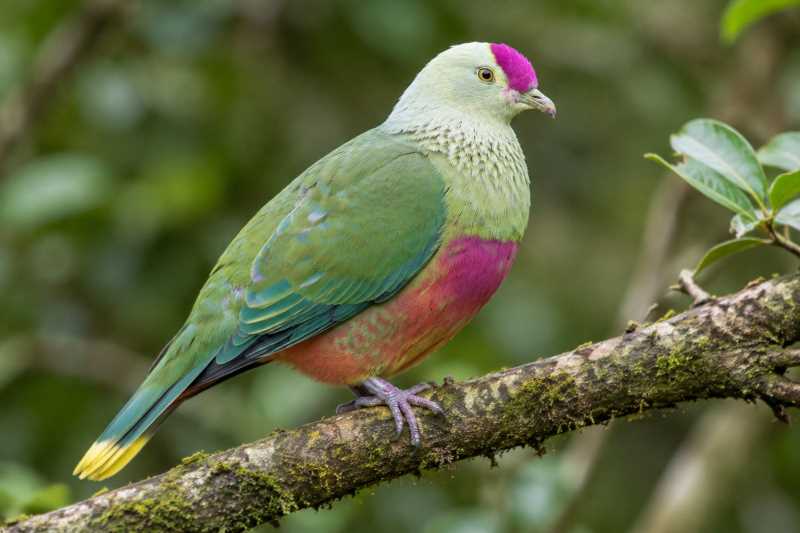
The Mariana Fruit Dove is a medium-sized bird, measuring approximately 24 centimeters in length. It is renowned for its stunning plumage, which includes a combination of vivid colors. The bird’s head is adorned with a rose-colored cap, which contrasts beautifully with its green body. The wings are a darker shade of green with hints of blue, and the bird’s breast and belly are a lighter, almost lime green color. This colorful plumage is not only a spectacle to behold but also serves as a form of camouflage among the foliage where the bird spends most of its time.
Habitat and Diet
The Mariana Fruit Dove inhabits the tropical and subtropical forests of the Mariana Islands, including Guam, Saipan, and Rota. These islands are characterized by dense forests that provide the perfect environment for the doves to thrive. The bird’s diet primarily consists of a variety of fruits, making it an essential player in seed dispersal and forest regeneration. By feeding on fruits and subsequently excreting the seeds, the Mariana Fruit Dove helps maintain the biodiversity of its habitat.
Role in the Ecosystem
As a frugivore, the Mariana Fruit Dove plays a crucial role in its ecosystem. The bird’s feeding habits facilitate the spread of seeds, which contributes to the growth of diverse plant species. This seed dispersal is vital for maintaining the health and sustainability of the forest ecosystems on the islands. Moreover, the Mariana Fruit Dove’s presence is an indicator of the overall health of the forest environment. A decline in their population often signals problems within the ecosystem, such as habitat loss or the presence of invasive species.
Threats to Survival
Despite its ecological importance, the Mariana Fruit Dove faces several threats that have led to its classification as a "Near Threatened" species by the International Union for Conservation of Nature (IUCN). One of the most significant threats is habitat destruction due to agricultural expansion, urban development, and military activities on the islands. Additionally, invasive species, such as the brown tree snake, pose a severe threat to the dove’s population. The introduction of these predators has resulted in increased predation on adult doves and their chicks, significantly impacting their numbers.
Conservation Efforts
In response to the threats facing the Mariana Fruit Dove, various conservation efforts have been implemented to protect this iconic species. Organizations such as the U.S. Fish and Wildlife Service and local conservation groups are working to preserve and restore the bird’s natural habitat. Efforts include the removal of invasive species and the establishment of protected areas where the doves can thrive without the threat of human encroachment.
Captive breeding programs have also been initiated to help bolster the dove’s population. These programs aim to breed doves in controlled environments and eventually reintroduce them to their natural habitats. Education and community involvement are also crucial components of conservation efforts, as raising awareness about the plight of the Mariana Fruit Dove can lead to increased support for preservation initiatives.
The Future of the Mariana Fruit Dove
The future of the Mariana Fruit Dove depends largely on the success of ongoing conservation efforts and the cooperation of local communities. With continued habitat protection, predator control, and public awareness campaigns, there is hope for the recovery of this beautiful bird species. Protecting the Mariana Fruit Dove is not only vital for preserving the biodiversity of the Mariana Islands but also for maintaining the cultural heritage of the region, as the bird holds significant cultural value for the indigenous Chamorro people.
Ultimately, the survival of the Mariana Fruit Dove is a testament to the broader challenges of conservation in the face of human development and environmental change. By prioritizing the protection of this remarkable species, we can ensure that future generations will continue to marvel at the vibrant beauty and ecological importance of the Mariana Fruit Dove.
Related posts