The Orange-billed Babbler: A Comprehensive Insight into Argya rufescens
The Orange-billed Babbler, scientifically known as Argya rufescens, is a captivating bird species that has intrigued ornithologists and bird enthusiasts alike. Native to Sri Lanka, this bird is a prominent member of the Leiothrichidae family and is often recognized for its vibrant orange bill and social nature. In this article, we delve into the various aspects of the Orange-billed Babbler, exploring its habitat, behavior, and the conservation efforts aimed at preserving this fascinating species.
Habitat and Distribution
The Orange-billed Babbler is endemic to Sri Lanka, predominantly inhabiting the wet zone of the island. This region is characterized by its dense tropical rainforests, which provide an ideal environment for the bird’s survival and proliferation. The species is often found in both primary and secondary forests, as well as in plantations and cultivated areas. The adaptability of the Orange-billed Babbler to various habitats within its range is a testament to its resilience. However, deforestation and habitat fragmentation pose significant threats to its natural environment.
Physical Characteristics
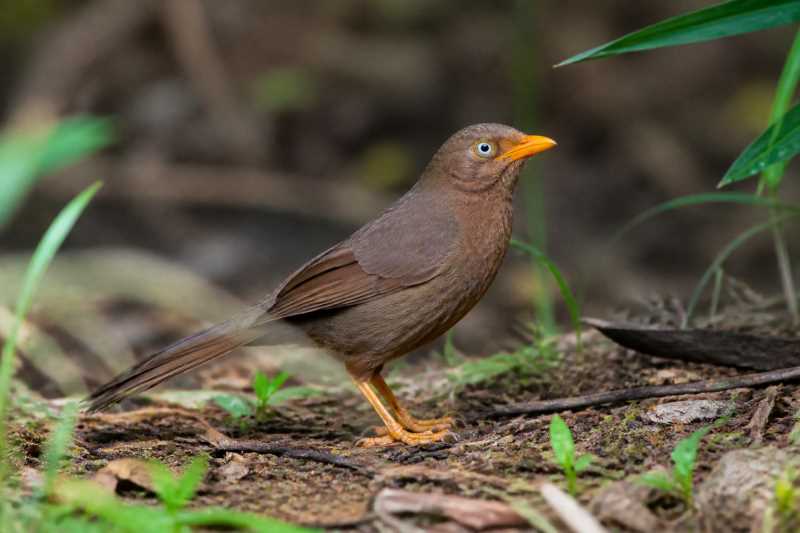
The Orange-billed Babbler is easily identifiable due to its distinct features. It measures approximately 23 centimeters in length, making it a medium-sized bird. The plumage is predominantly brown with a slight rufous tinge, providing excellent camouflage against the forest backdrop. The most striking feature of this bird is its bright orange bill, which stands out against the otherwise muted tones of its body. The eyes are pale yellow, adding to its unique appearance.
Behavior and Social Structure
Known for its highly social behavior, the Orange-billed Babbler is seldom seen alone. It typically moves in noisy, cohesive groups ranging from six to fifteen individuals, although larger flocks can sometimes be observed. These groups are often referred to as ‘babbler parties’ and are integral to their survival strategy, offering protection against predators through collective vigilance.
The species is also known for its vocal nature, engaging in a variety of calls and songs that serve multiple functions, including communication within the group and territory defense. Their vocalizations are often described as loud and harsh, contributing to the bird’s common name. The Orange-billed Babbler feeds primarily on insects, spiders, and other small invertebrates, which they forage for within the understory of forests. Occasionally, they may also consume fruits and seeds.
Breeding and Reproduction
Breeding in Orange-billed Babblers is a cooperative effort, with all group members participating in the rearing of young. The breeding season typically spans from February to September, coinciding with the wet season in Sri Lanka. Nests are constructed as untidy, cup-shaped structures made from twigs and leaves, usually placed in dense foliage to avoid detection by predators.
Females lay between two to four eggs per clutch, which are incubated for about two weeks. Both parents, along with other group members, share the responsibility of feeding and caring for the chicks until they fledge, which usually occurs about three weeks post-hatching. This cooperative breeding strategy enhances the survival rate of the offspring, reinforcing the importance of the group dynamic in the species’ life cycle.
Conservation Status
Currently, the Orange-billed Babbler is listed as a species of Least Concern on the IUCN Red List. However, this status does not imply that the species is free from threats. Habitat destruction, primarily due to logging and agricultural expansion, remains a significant concern. Conservation efforts in Sri Lanka have focused on habitat preservation and restoration, alongside community awareness programs to promote sustainable practices.
The bird’s adaptability to secondary forests and plantations offers some hope, but continued efforts are necessary to ensure that their habitat is protected from further degradation. In addition, research into their ecology and behavior is crucial to inform effective conservation strategies.
Conclusion
The Orange-billed Babbler is a remarkable species that plays a vital role in the ecological tapestry of Sri Lanka’s forests. Its gregarious nature and distinctive appearance make it a favorite among bird watchers and researchers. While its current conservation status is stable, proactive measures are essential to mitigate the impacts of habitat loss and ensure the long-term survival of this charming bird. Understanding and appreciating the Orange-billed Babbler’s ecological significance is the first step towards safeguarding its future.
With increased awareness and concerted conservation efforts, the Orange-billed Babbler can continue to thrive in its natural habitat, delighting future generations with its vibrant presence and social exuberance.
Related posts