Pinon’s Imperial Pigeon: A Majestic Avian Wonder
Introduction
Pinon’s Imperial Pigeon (Ducula pinon) is a striking species of bird that captures the attention of ornithologists and bird enthusiasts alike. Known for its grandeur and elegance, this bird is an integral part of the ecosystems it inhabits. This article delves into the fascinating world of Pinon’s Imperial Pigeon, exploring its habitat, behavior, diet, and conservation status, offering a comprehensive understanding of this magnificent species.
Habitat and Distribution
Pinon’s Imperial Pigeon is predominantly found in the tropical forests of New Guinea and surrounding islands, including the Bismarck Archipelago and the Solomon Islands. These regions provide the dense forest cover and abundant fruit supply necessary for their survival. The pigeons are mostly arboreal, spending significant time in the forest canopy, where they can easily access their primary food sources and remain relatively hidden from predators.
The ecological role of Pinon’s Imperial Pigeon in these habitats cannot be overstated. As frugivores, they play a crucial role in seed dispersal, aiding in the regeneration and maintenance of forest biodiversity. Their ability to traverse vast distances further enhances their capability as key players in their ecosystems.
Physical Characteristics
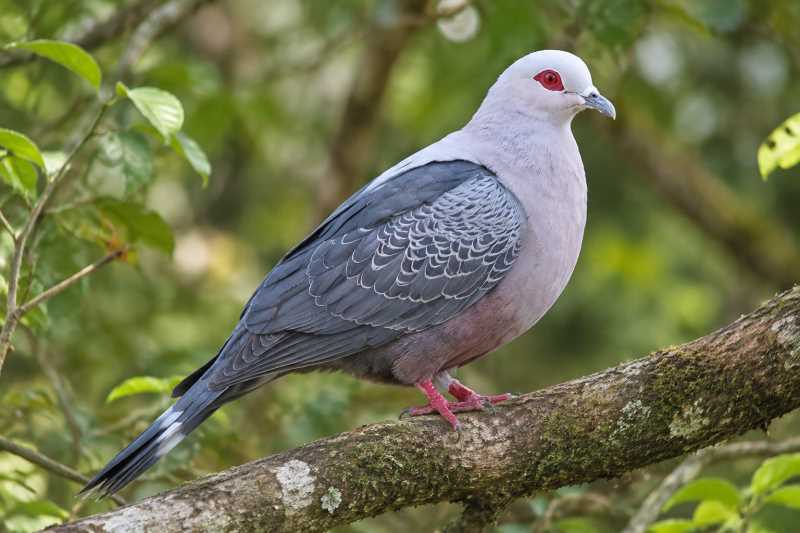
Pinon’s Imperial Pigeon is a large bird, measuring approximately 38 to 45 centimeters in length. It boasts a robust body with a long tail and rounded wings, adapted for efficient flight through forest canopies. The plumage is predominantly dark, with a glossy sheen that adds to its majestic appearance. The head and neck are often lighter in color, with hints of green and purple iridescence that catch the light beautifully.
This pigeon is not only admired for its size and plumage but also for its distinctive call, which resonates through the forests, a low-pitched cooing that serves as a form of communication among individuals.
Behavior and Diet
Pinon’s Imperial Pigeon is primarily frugivorous, feeding on a wide variety of fruits available in its tropical habitat. Figs, berries, and drupes constitute the bulk of their diet, but they are also known to consume leaves and flowers occasionally. Their feeding habits are diurnal, with activity peaking during the early morning and late afternoon.
The social structure of Pinon’s Imperial Pigeon is relatively flexible. While they are often observed alone or in pairs, they can form larger flocks, especially during the breeding season or when food sources are concentrated. These social groups play a vital role in ensuring the survival and reproductive success of the species.
Reproduction and Lifecycle
The breeding season for Pinon’s Imperial Pigeon typically aligns with the abundance of food resources, ensuring that the young have the best chance of survival. Nests are constructed high in the canopy, often in the fork of a tree, providing safety from ground-dwelling predators. The female usually lays a single egg, which both parents incubate in shifts.
After hatching, the chick is altricial, relying heavily on parental care and feeding. The parents regurgitate pre-digested food to feed the chick, a common behavior among pigeons and doves. As the chick grows, it gradually transitions to solid food and begins to practice flying, eventually leaving the nest to become independent.
Conservation Status and Threats
Currently, Pinon’s Imperial Pigeon is classified as Least Concern by the International Union for Conservation of Nature (IUCN). However, like many forest-dwelling species, it faces threats from habitat destruction due to logging, agricultural expansion, and urban development. Additionally, hunting for meat and trapping for the pet trade pose significant risks to their populations.
Conservation efforts are essential to ensure that Pinon’s Imperial Pigeon continues to thrive. Protecting their natural habitats through the establishment of reserves and implementing sustainable forestry practices are critical steps. Public awareness and education campaigns can also play a significant role in reducing hunting pressures and promoting the ecological importance of these birds.
Conclusion
Pinon’s Imperial Pigeon is a testament to the beauty and complexity of tropical ecosystems. Its role as a seed disperser highlights its ecological significance, while its striking appearance and behaviors make it a favorite among birdwatchers. As we strive to preserve the world’s biodiversity, understanding and protecting species like Ducula pinon is paramount, ensuring that future generations can continue to marvel at their splendor.
References
- BirdLife International. "Ducula pinon." IUCN Red List of Threatened Species.
- Gibbs, D., Barnes, E., & Cox, J. "Pigeons and Doves: A Guide to the Pigeons and Doves of the World."
- del Hoyo, J., Elliott, A., & Sargatal, J. (1997). "Handbook of the Birds of the World."
Related posts