The White-eared Brown Dove: An Intriguing Avian Resident of the Philippines
The White-eared Brown Dove (Phapitreron leucotis) is a captivating bird species that holds a special place in the rich biodiversity of the Philippines. Endemic to this archipelago, the White-eared Brown Dove is a member of the Columbidae family, which includes other doves and pigeons. Known for its distinctive appearance and unique behaviors, this bird species plays a crucial role in the ecosystem, serving as both a seed disperser and a part of the food chain. This article explores the various facets of the White-eared Brown Dove, from its physical characteristics and habitat preferences to its behavioral patterns and conservation status.
Physical Characteristics
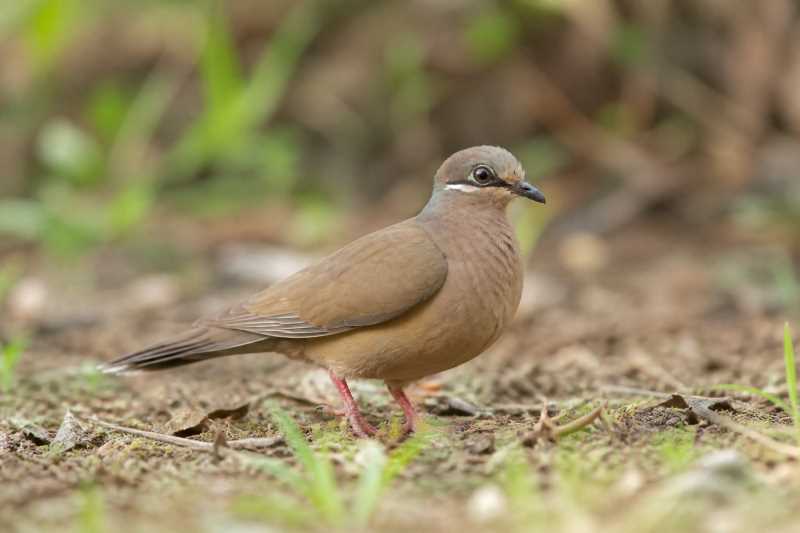
The White-eared Brown Dove is a medium-sized bird, measuring approximately 28 to 30 centimeters in length. One of its most striking features is its plumage, which is predominantly brown with a subtle iridescence that can appear purplish or greenish under certain lighting conditions. The bird’s name is derived from the distinctive white patch located behind its eyes, a feature that contrasts sharply with its otherwise muted coloration. This white patch is a key identifier for bird watchers and researchers alike.
The dove’s underparts are lighter, often appearing buff or beige, which blends seamlessly with the forest floor, providing effective camouflage against predators. Its legs and feet are pinkish, complementing its overall soft color palette. The White-eared Brown Dove has a relatively short tail, which is edged with white, adding to its distinctive look.
Habitat and Distribution
The White-eared Brown Dove is found exclusively in the Philippines, inhabiting a variety of forested environments across the islands. It thrives in lowland and mid-montane forests, where it can be seen foraging in the understory or along forest edges. These doves are well-adapted to dense vegetation, where their coloration helps them remain inconspicuous.
This species is generally non-migratory, although it may move locally in search of food resources. Its preference for primary and secondary forests, as well as its adaptability to disturbed habitats, makes it a resilient species; however, habitat loss due to deforestation remains a significant threat to its population.
Behavioral Patterns
The White-eared Brown Dove is primarily frugivorous, feeding on a variety of fruits, berries, and seeds. Its diet plays an integral role in seed dispersal, contributing to forest regeneration and biodiversity. Occasionally, it may also consume small invertebrates, adding protein to its diet.
These doves are generally solitary or seen in pairs, particularly during the breeding season. They are known for their soft cooing calls, which can be heard echoing through the forest. The call of the White-eared Brown Dove is a soft, repetitive "whooo-whooo," which serves both as a mate attraction call and a territorial signal.
During courtship, males perform a display flight, which involves a series of flapping and gliding movements to impress potential mates. Once paired, the female typically lays one or two eggs in a simple nest made of twigs and leaves, usually situated in a tree or shrub. Both parents share the responsibility of incubating the eggs and feeding the chicks, showcasing a strong parental bond.
Conservation Status
The White-eared Brown Dove is currently classified as Least Concern by the International Union for Conservation of Nature (IUCN). Despite its current status, the species faces ongoing threats from habitat destruction due to logging, agricultural expansion, and urban development. Conservation efforts are crucial to ensure the preservation of its habitat, particularly in forested areas that are rapidly diminishing.
Several conservation organizations in the Philippines are actively working to protect forest habitats and promote sustainable land-use practices. These initiatives aim to balance human development with biodiversity conservation, ensuring that species like the White-eared Brown Dove continue to thrive in their natural environment.
Conclusion
The White-eared Brown Dove is a remarkable example of the unique biodiversity found in the Philippines. Its distinct characteristics and behaviors highlight the complexity and interdependence of forest ecosystems. As environmental challenges continue to mount, understanding and conserving such species becomes all the more critical. By fostering a deeper appreciation for the White-eared Brown Dove and its habitat, we can contribute to the broader efforts of preserving the rich avian diversity of the Philippines for future generations.
Related posts