Lilac-crowned Amazon: A Jewel of the Avian World
The Lilac-crowned Amazon, scientifically known as Amazona finschi, is a captivating parrot species that enchants bird enthusiasts and conservationists alike. Native to the Pacific slopes of western Mexico, this vibrant bird is renowned for its striking plumage and exceptional vocal abilities. However, like many of its avian counterparts, the Lilac-crowned Amazon faces significant challenges in the wild, necessitating concerted conservation efforts to ensure its survival.
Distinctive Characteristics
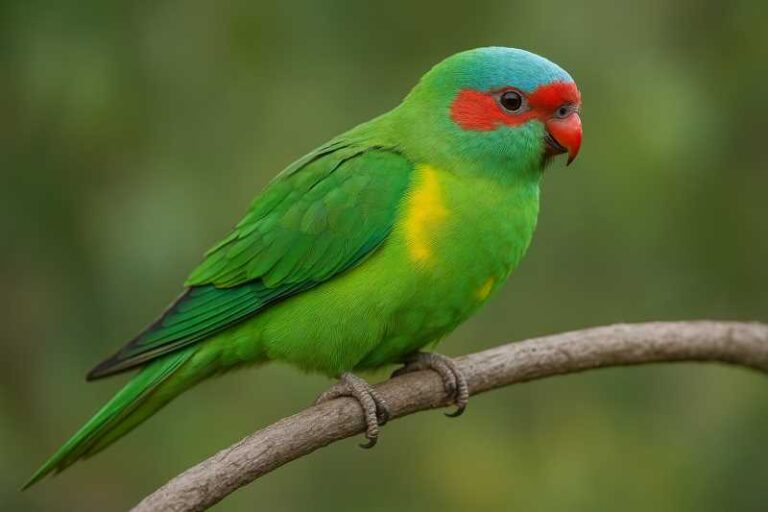
The Lilac-crowned Amazon is easily recognizable by its vivid green body, complemented by a distinctive lilac-colored band on the crown of its head. This unique feature gives the species its name and highlights its visual appeal. Adult birds typically measure around 33 to 35 centimeters in length and can weigh up to 340 grams. The bright red forehead, which contrasts sharply with its lilac crown, adds to its allure. The bird’s beak is a pale horn color, and its eyes are surrounded by white eye-rings, further accentuating its expressive appearance.
Habitat and Distribution
This Amazon parrot inhabits the tropical dry forests, woodlands, and mangroves of western Mexico, ranging from southern Sonora to Oaxaca. It prefers altitudes ranging from sea level to about 1,800 meters but is most commonly found at lower elevations. The habitat of the Lilac-crowned Amazon is characterized by a variety of plant species, providing ample food sources, such as fruits, seeds, and nuts, which constitute the bird’s primary diet.
Behavior and Vocalization
Renowned for its sociability, the Lilac-crowned Amazon is often observed in flocks, especially outside the breeding season. These birds are highly vocal, using a range of calls for communication. Their ability to imitate human speech and other sounds makes them popular in aviculture, although this popularity has unfortunately contributed to their decline in the wild due to illegal trapping.
The breeding season for the Lilac-crowned Amazon typically occurs from February to June. During this time, they nest in tree cavities, where the female lays a clutch of two to four eggs. Both parents share the responsibility of raising the young, with the male providing food while the female incubates the eggs.
Conservation Status
The Lilac-crowned Amazon is currently listed as Vulnerable on the IUCN Red List. The primary threats to its survival are habitat destruction and illegal capture for the pet trade. Deforestation, driven by agricultural expansion and urban development, poses a significant threat to their natural habitat. Efforts to curb illegal trade are ongoing, but poaching remains a persistent challenge.
Conservation initiatives are crucial for the protection of this species. Community education programs aimed at raising awareness about the importance of preserving natural habitats and the ethical implications of the pet trade are vital. Additionally, legal protection measures, such as enforcing stricter regulations on deforestation and enhancing surveillance against illegal trapping, are essential strategies in safeguarding the future of the Lilac-crowned Amazon.
The Role of Captive Breeding
Captive breeding programs play a pivotal role in the conservation of the Lilac-crowned Amazon. By breeding these birds in controlled environments, conservationists aim to reduce the pressure on wild populations. These programs also serve as a genetic reservoir, ensuring that the species can be reintroduced into their natural habitats if necessary.
Moreover, responsible aviculture can contribute positively to conservation efforts. Potential pet owners are encouraged to acquire birds from reputable breeders who prioritize the well-being of the animals and adherence to international wildlife trade regulations.
Conclusion
The Lilac-crowned Amazon is a remarkable species that embodies the beauty and diversity of the natural world. While it faces significant challenges, collaborative conservation efforts offer hope for its future. By fostering a deeper understanding of the species and promoting sustainable practices, we can ensure that the Lilac-crowned Amazon continues to thrive in the wild, serving as a vibrant symbol of Mexico’s rich avian heritage.
Protecting the Lilac-crowned Amazon requires a global effort, uniting conservationists, governments, and communities in a shared mission to preserve this magnificent bird for generations to come.
Related posts