The Grey-bellied Comet: A Jewel of the Andes
The Grey-bellied Comet (Taphrolesbia griseiventris) is a rare and captivating member of the Trochilidae family, known for its striking appearance and elusive nature. This hummingbird species is endemic to the Andean regions of Peru, where it inhabits the subtropical or tropical moist montane forests. Characterized by its unique coloration and enchanting flight patterns, the Grey-bellied Comet is not only a subject of admiration among birdwatchers but also a significant focus for conservationists aiming to preserve its dwindling habitat.
Taxonomy and Description
The Grey-bellied Comet belongs to the genus Taphrolesbia, which is part of the larger hummingbird family. This species was first described by English ornithologist John Gould in the mid-19th century. The name ‘griseiventris’ is derived from Latin, meaning ‘grey-bellied,’ which aptly describes the bird’s distinct plumage.
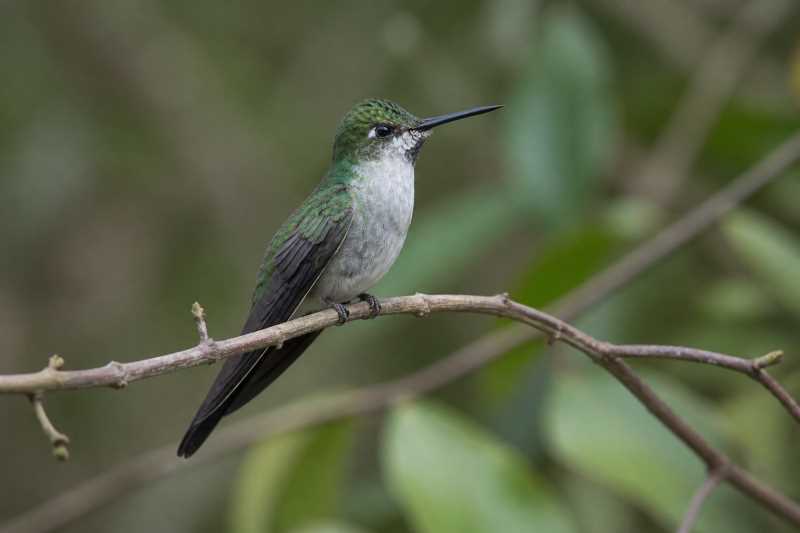
Measuring approximately 14 centimeters in length, the Grey-bellied Comet is relatively large for a hummingbird. Its most distinguishing feature is its iridescent plumage, which exhibits a dazzling array of colors depending on the light. The upperparts are a shimmering green, while the underparts are predominantly grey, hence its name. The tail is long and forked, with a vibrant blue hue that contrasts beautifully with its body.
Habitat and Distribution
The Grey-bellied Comet is primarily found in the eastern slope of the Andes, specifically within the regions of Cajamarca and Amazonas in Peru. Its habitat consists of subtropical or tropical moist montane forests, where it resides at altitudes ranging from 2,400 to 3,500 meters.
This hummingbird favors areas with abundant flowering plants, which provide the primary source of nectar for its diet. In addition to nectar, the Grey-bellied Comet also consumes small insects and spiders, which offer essential proteins.
Behavior and Ecology
Known for its agile and acrobatic flight, the Grey-bellied Comet is a master of aerial maneuvers. It can hover in place with remarkable precision, allowing it to feed from flowers with ease. The bird’s long, specialized bill is perfectly adapted for extracting nectar from tubular flowers, which are common in its mountainous habitat.
The Grey-bellied Comet is generally solitary, coming together with others of its kind only during the breeding season. Males are territorial and will aggressively defend a feeding territory from intruders. Courtship displays involve elaborate aerial dances and vocalizations designed to attract females.
Conservation Status
The Grey-bellied Comet is currently classified as Near Threatened by the International Union for Conservation of Nature (IUCN) due to habitat loss and degradation. The primary threat to its survival is deforestation, driven by agricultural expansion and logging activities in the Andean region.
Efforts to conserve the Grey-bellied Comet and its habitat are underway, with several organizations working to protect the montane forests of Peru. Conservation strategies include establishing protected areas, promoting sustainable land-use practices, and conducting research to better understand the species’ ecology and population dynamics.
Importance of Conservation
Protecting the Grey-bellied Comet is not only crucial for preserving biodiversity but also for maintaining the ecological balance within its habitat. As a pollinator, this hummingbird plays a vital role in the reproductive cycles of numerous plant species, contributing to the health and diversity of the ecosystem.
Raising awareness about the Grey-bellied Comet and its plight is essential for garnering support for conservation efforts. Birdwatchers and nature enthusiasts can play a key role by participating in citizen science projects and supporting conservation programs.
Conclusion
The Grey-bellied Comet is a remarkable species that embodies the beauty and fragility of the Andean ecosystems. Its vibrant plumage and dynamic behaviors captivate those fortunate enough to observe it in the wild. However, without concerted conservation efforts, the future of this enchanting hummingbird remains uncertain.
By understanding the challenges facing the Grey-bellied Comet and taking action to protect its habitat, we can ensure that future generations will continue to marvel at this jewel of the Andes. Collaborative efforts among local communities, governments, and conservation organizations are essential to safeguarding this species and preserving the rich biodiversity of the Andean region.
Related posts