Introduction
The Masked Titi Monkey, scientifically known as Callicebus personatus, is a captivating primate species endemic to the Atlantic Forest of Brazil. This small, arboreal monkey is a member of the Pitheciidae family and is known for its distinctive facial markings and social behavior. The Masked Titi plays a crucial role in its ecosystem, contributing to seed dispersal and maintaining the health of its forest habitat. Understanding the Masked Titi is essential not only for appreciating its uniqueness but also for informing conservation efforts aimed at protecting this vulnerable species.
Physical Description
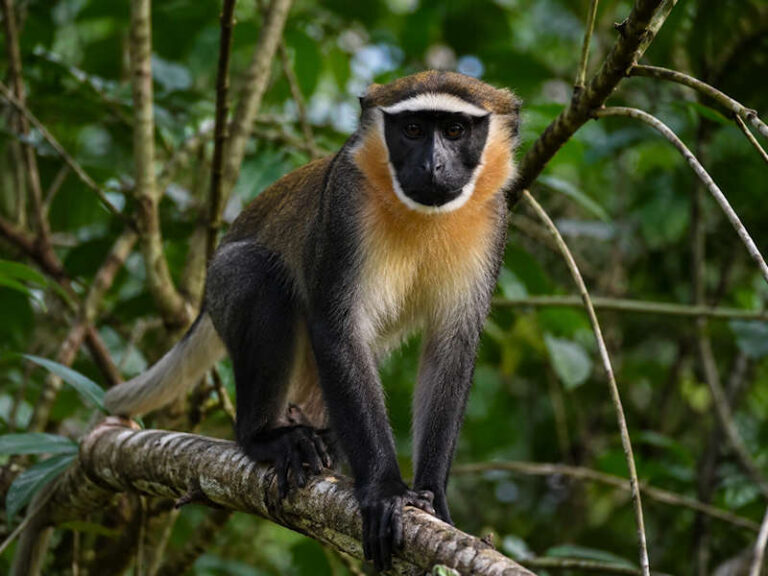
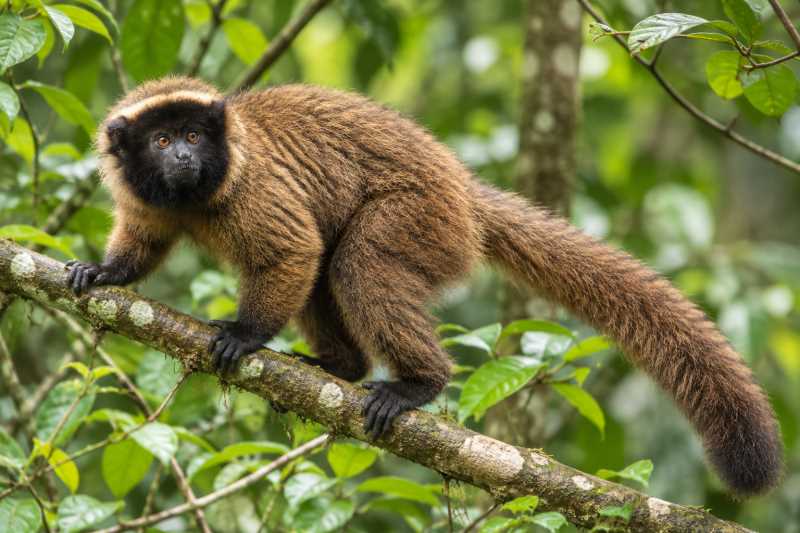
The Masked Titi Monkey is a small primate, with adults typically weighing between 1 and 1.5 kilograms and measuring about 30 to 45 centimeters in body length. One of its most striking features is its facial coloration: a distinct white or light grey mask surrounds its eyes and muzzle, contrasting sharply with the darker coloration of the rest of its body. This facial pattern gives the Masked Titi its common name and aids in individual recognition among members of its species.
The rest of the body is covered in soft, dense fur, typically dark brown or grey, which provides excellent camouflage in the dense forest canopy. Its long, bushy tail, which can be as long as its body, is non-prehensile but plays a vital role in balance as the monkey navigates the treetops.
Range and Habitat
The Masked Titi is native to the Atlantic Forest of southeastern Brazil, a biodiversity hotspot characterized by high species richness and endemism. Its range extends across several Brazilian states, including Espírito Santo, Minas Gerais, Rio de Janeiro, and São Paulo.
This species inhabits primary and secondary forests, showing a preference for areas with dense understory and tall canopy levels. It is primarily arboreal, spending most of its life in the mid to upper canopy layers, where it finds food, shelter, and protection from predators.
Behavior and Diet
Masked Titis are diurnal and arboreal, spending the majority of their active hours foraging, socializing, and resting in the trees. They live in small family groups, typically comprising a monogamous pair and their offspring. This social structure is supported by strong pair bonds, with mates often engaging in mutual grooming and vocal duets that reinforce their bond and establish territory.
Their diet is primarily frugivorous, consisting mainly of fruits, although they also consume leaves, flowers, and occasionally insects. This varied diet helps them adapt to seasonal changes in food availability and plays a crucial role in seed dispersal, contributing to forest regeneration.
Identification Tips (Field Recognition Cues)
Identifying the Masked Titi in the wild involves observing several key characteristics:
- Facial Mask: Look for the distinctive white or grey facial mask that contrasts with the darker fur.
- Size and Shape: Note the small size, long bushy tail, and compact body typical of titi monkeys.
- Vocalizations: Listen for their distinctive calls, which include a variety of whistles and chirps, used for communication within the group and territorial defense.
- Behavior: Observe the social interactions within small family groups, often seen grooming or playing together.
Conservation Status (With Threats and Protections)
The Masked Titi is currently classified as Vulnerable on the IUCN Red List due to habitat loss, fragmentation, and degradation, primarily driven by agricultural expansion, logging, and urban development in the Atlantic Forest. This habitat is one of the most threatened in the world, with only about 15% of its original cover remaining.
Conservation efforts for the Masked Titi focus on habitat preservation and restoration, establishment of protected areas, and environmental education programs to raise awareness about the importance of the Atlantic Forest. Organizations and governments are working together to implement sustainable land-use practices and restore deforested areas.
Frequently Asked Questions
What is the average lifespan of a Masked Titi Monkey?
Masked Titis can live up to 12-15 years in the wild, though their lifespan may be longer in captivity due to the absence of predators and provision of medical care.
How does the Masked Titi contribute to its ecosystem?
As frugivores, Masked Titis play an essential role in seed dispersal, which aids in forest regeneration and maintaining biodiversity.
Why are Masked Titis considered vulnerable?
They are vulnerable due to significant habitat loss and fragmentation in the Atlantic Forest, largely from human activities such as agriculture and urbanization.
What are the main threats to the Masked Titi’s survival?
The primary threats include deforestation, habitat fragmentation, and the illegal pet trade. Conservation efforts are crucial to mitigate these threats.
How can individuals help protect the Masked Titi?
Supporting conservation organizations, advocating for sustainable land-use policies, and raising awareness about the importance of biodiversity can aid in protecting the Masked Titi.
Related posts