The Enigmatic Slender-tailed Woodstar: A Jewel of the Andes
In the verdant highlands of the Andes, a delicate creature, the Slender-tailed Woodstar (Microstilbon burmeisteri), flits among the flowers, a living testament to the diversity and splendor of avian life. Though small in stature, this hummingbird possesses a captivating presence that commands the attention of ornithologists and bird enthusiasts alike. As one of the lesser-known members of the Trochilidae family, the Slender-tailed Woodstar offers unique insights into the complexities of avian evolution, adaptation, and conservation.
Physical Characteristics and Identification
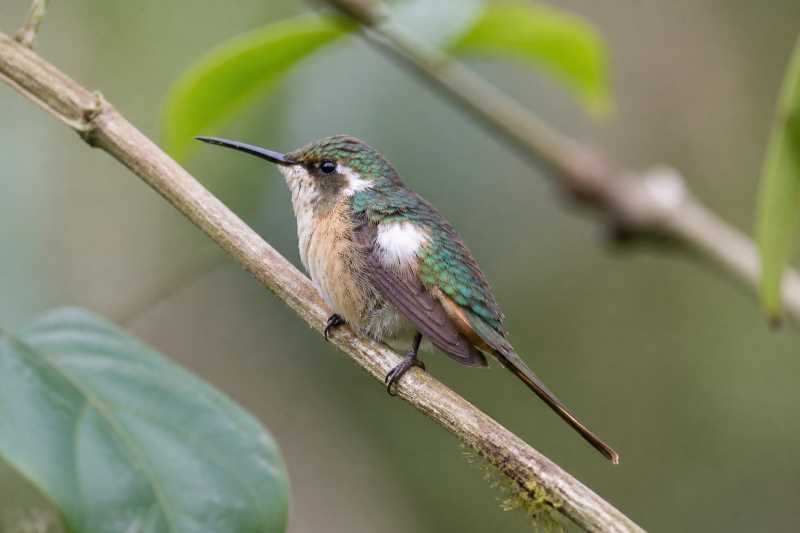
The Slender-tailed Woodstar is a diminutive bird, measuring approximately 6 to 7 cm in length and weighing a mere 2 to 3 grams. Its most distinguishing feature, as its name suggests, is its elongated, slender tail, which tapers elegantly and adds an extra dimension to its aerial acrobatics. Males and females exhibit sexual dimorphism, with the males displaying a more vibrant plumage. The male’s crown and throat shimmer with a metallic green hue, while its underparts are a mix of white and rufous tones. Females, in contrast, have a more subdued coloration, with greenish upperparts and paler underparts.
Habitat and Distribution
The Slender-tailed Woodstar is endemic to the eastern slopes of the Andes, primarily found in countries like Colombia, Ecuador, Peru, and parts of Venezuela. These birds thrive in cloud forests and subtropical or tropical moist montane forests, where they are most often seen at elevations ranging from 1,000 to 2,500 meters. The dense, lush environment provides an ideal setting for their feeding and breeding activities, with abundant flowering plants supplying the nectar that forms the cornerstone of their diet.
Feeding Behavior and Ecology
As nectarivores, Slender-tailed Woodstars have evolved highly specialized feeding behaviors. Their long, slender bills and extendable, brush-tipped tongues allow them to efficiently extract nectar from deep within tubular flowers. This mutualistic relationship benefits both the birds and the plants, as the Woodstars inadvertently aid in pollination while feeding. In addition to nectar, they also consume small insects and spiders, which provide essential proteins and nutrients.
Aggressive and territorial, Slender-tailed Woodstars often engage in spirited displays to defend their feeding territories from intruders. These displays include aerial chases and vocalizations, demonstrating the bird’s tenacity despite its size. During the breeding season, males perform elaborate courtship displays to attract females, showcasing their iridescent plumage in a dazzling aerial spectacle.
Conservation Status and Challenges
The conservation status of the Slender-tailed Woodstar is currently listed as Least Concern by the International Union for Conservation of Nature (IUCN). However, like many species inhabiting the Andean cloud forests, they face threats from habitat loss due to deforestation, agriculture expansion, and climate change. The degradation of these critical habitats can lead to reduced availability of food sources and nesting sites, posing a significant challenge to the survival of this species.
Conservation efforts aimed at preserving cloud forests and their biodiversity are crucial for the Slender-tailed Woodstar’s continued existence. Initiatives that focus on sustainable land use practices, reforestation, and the establishment of protected areas can help mitigate the adverse impacts of human activities. Additionally, increased research into the ecology and behavior of this species can inform conservation strategies and foster greater awareness and appreciation among local communities and policymakers.
Fascination and Cultural Significance
The Slender-tailed Woodstar, while not as widely recognized as some of its more flamboyant hummingbird relatives, holds a special place in the cultures of the Andean regions. Its presence is often seen as a symbol of the rich natural heritage and biodiversity of these mountainous areas. Birdwatchers and eco-tourists are drawn to the region, eager to catch a glimpse of this elusive bird and contribute to the local economy through ecotourism initiatives.
Furthermore, the study of the Slender-tailed Woodstar and other hummingbirds provides valuable insights into the evolutionary adaptations that have enabled these birds to thrive in diverse environments. Their ability to hover with precision, their metabolic efficiency, and their role as pollinators highlight the intricate interdependencies within ecosystems.
Conclusion
The Slender-tailed Woodstar is more than just a fleeting jewel of the Andean forests; it is a vital component of the ecological tapestry that sustains life in these regions. Its survival is intrinsically linked to the health of its habitat and the broader environmental challenges facing the planet. By understanding and appreciating the unique qualities of this hummingbird, we can gain a deeper appreciation for the delicate balance of nature and the urgent need to protect it.
As we continue to explore the wonders of the natural world, the Slender-tailed Woodstar remains a brilliant reminder of the beauty and complexity that lie within even the smallest of creatures.
Related posts