Introduction
The Blond Titi, scientifically known as Callicebus barbarabrownae, is a captivating species of New World monkey that belongs to the family Pitheciidae. This primate is an intriguing subject of study due to its unique characteristics and limited distribution. Native to Brazil, the Blond Titi is named in honor of Barbara Brown, a notable primatologist who made significant contributions to the study of titi monkeys. This article delves into the various aspects of the Blond Titi, including its physical description, habitat, behavior, and conservation status.
Physical Description
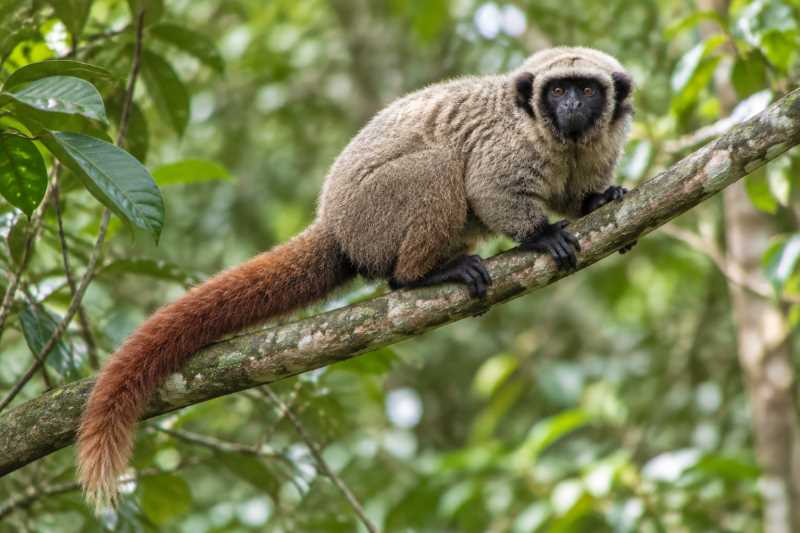
The Blond Titi is a small to medium-sized primate characterized by its distinctive golden-blond fur, which sets it apart from other titi monkeys. Adults typically weigh between 1 to 1.5 kilograms and have a body length ranging from 30 to 40 centimeters, with a tail that is usually longer than their body. The tail is not prehensile but is essential for balance as they navigate through the treetops. Their fur is dense and soft, providing warmth and protection in their natural habitat.
The face of the Blond Titi is adorned with a short, light-colored muzzle and large, expressive eyes that give them a somewhat inquisitive appearance. Their limbs are relatively short, but strong, allowing them to adeptly leap between branches and move swiftly through the trees. Sexual dimorphism is minimal in this species, with males and females appearing quite similar in size and coloration.
Range and Habitat
The Blond Titi is endemic to the Atlantic Forest of northeastern Brazil, specifically in the states of Bahia and Sergipe. This region is characterized by its tropical climate with distinct wet and dry seasons. Unfortunately, the habitat for the Blond Titi is severely fragmented due to deforestation and urban development, which has led to a limited and shrinking range for this species.
These primates are arboreal, spending most of their time in the mid to upper canopy of the forest. They prefer areas with dense foliage that offer ample food sources and protection from predators. The Blond Titi can be found in both primary and secondary forests, but they tend to thrive in regions where human disturbance is minimal.
Behavior and Diet
Blond Titis are diurnal and highly social creatures, living in small family groups typically consisting of a monogamous pair and their offspring. These groups communicate with one another through a series of vocalizations, which play a crucial role in maintaining group cohesion and territory defense. Their vocal repertoire includes whistles, chirps, and louder calls that can echo through the forest.
Their diet is primarily frugivorous, consisting mainly of fruits, which are abundant in their forest habitat. However, they are also known to consume leaves, flowers, and insects, which provide necessary proteins and nutrients. The availability of food sources often dictates their movement and activity patterns within their territory.
Identification Tips
Identifying the Blond Titi in the field requires attention to some key characteristics:
- Fur Color: Look for the distinctive golden-blond fur, which is not only a defining feature but also a crucial identification marker.
- Size and Shape: Observe their small to medium size and long tails, which they use for balance rather than grasping.
- Behavior: Watch for their social behavior and listen for their vocalizations, which are vital for recognizing their presence in dense forest habitats.
- Habitat: Focus on areas within the Atlantic Forest of northeastern Brazil, particularly in regions with dense canopy cover.
Conservation Status
The Blond Titi is currently classified as Critically Endangered on the IUCN Red List. The primary threat to their survival is habitat loss due to deforestation, agricultural expansion, and urbanization. The fragmentation of their habitat has not only reduced their living space but also isolated populations, limiting genetic diversity and increasing vulnerability to extinction.
Conservation efforts are underway to protect the remaining habitats of the Blond Titi. These efforts include reforestation projects, the establishment of protected areas, and community education initiatives to raise awareness about the importance of conserving this species and its habitat. Additionally, research programs are focused on studying their ecology and behavior to inform conservation strategies.
Frequently Asked Questions
What is the natural habitat of the Blond Titi? The Blond Titi is native to the Atlantic Forest of northeastern Brazil, where it inhabits primary and secondary forests with dense canopy cover.
How does the Blond Titi communicate? Blond Titis use a range of vocalizations, including whistles, chirps, and calls, to communicate with family members and defend their territory.
What is the diet of the Blond Titi? Their diet is primarily frugivorous, consisting of fruits, but they also eat leaves, flowers, and insects for additional nutrients.
Why is the Blond Titi critically endangered? The Blond Titi is critically endangered due to habitat loss from deforestation, agricultural expansion, and urban development, leading to population fragmentation.
What conservation measures are in place for the Blond Titi? Conservation measures include habitat protection, reforestation projects, and community education programs to promote awareness and conservation of the species.
Related posts