Introduction
The Greater Long-tailed Dunnart (Antechinomys longicaudatus) is a fascinating small marsupial native to Australia. Known for its distinctively long tail, this species is part of the Dasyuridae family, which includes other carnivorous marsupials like quolls and the Tasmanian devil. Despite its diminutive size, the Greater Long-tailed Dunnart plays a critical role in its ecosystem, and understanding its behavior and conservation needs is essential for its preservation. This article explores the unique characteristics, habitat, and conservation status of the Greater Long-tailed Dunnart.
Physical Description
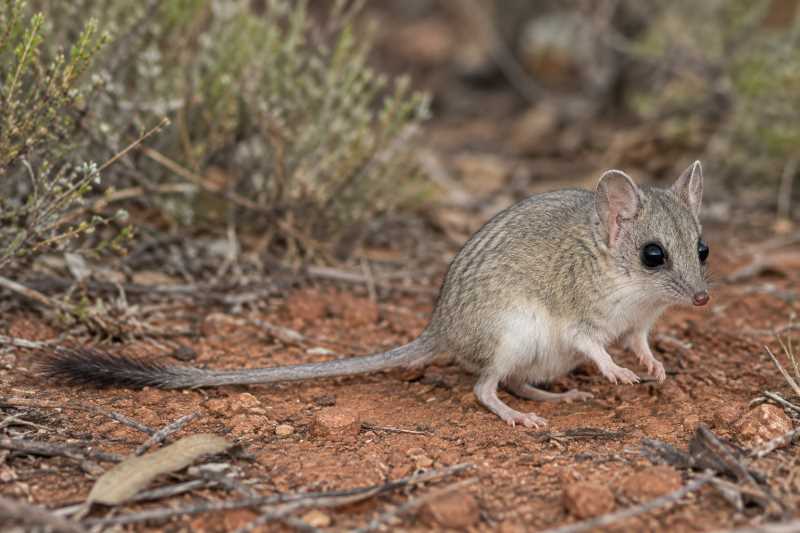
The Greater Long-tailed Dunnart is aptly named for its remarkably long tail, which can be almost twice the length of its body. Typically, the body length of this dunnart ranges from 7 to 10 centimeters, while the tail can measure up to 18 centimeters. This tail is not only a distinctive feature but also serves important functions such as balance and maneuverability when navigating their arid habitats. The dunnart’s fur is generally a soft grey or brown, providing effective camouflage against the desert landscapes it inhabits.
The species exhibits sexual dimorphism, with males typically being larger than females. Both genders have pointed snouts, large ears, and sharp teeth that are characteristic of their carnivorous diet. The dunnart’s eyes are large and adapted for its nocturnal lifestyle, allowing it to hunt effectively at night.
Range and Habitat
The Greater Long-tailed Dunnart is predominantly found in the arid and semi-arid regions of central and western Australia. Its range includes parts of Western Australia, the Northern Territory, and South Australia. This species prefers environments such as spinifex grasslands, shrublands, and open woodlands, where it can find cover and ample prey.
Adapted to survive in harsh conditions, the dunnart is highly efficient in conserving water and energy, an essential trait for survival in its dry habitats. It often takes shelter in rock crevices, under logs, or in burrows that provide protection from predators and extreme temperatures.
Behavior and Diet
The Greater Long-tailed Dunnart is primarily nocturnal, meaning it is most active during the night. This behavior helps it avoid the extreme heat of the Australian desert during the day. It is a solitary animal, with individuals typically coming together only for mating purposes.
As a carnivorous marsupial, the dunnart feeds mainly on insects, small reptiles, and other invertebrates. It is an agile hunter, using its keen senses and quick reflexes to capture prey. The tail, although not prehensile, aids in balance and agility during hunting excursions.
Identification Tips (Field Recognition Cues)
Identifying the Greater Long-tailed Dunnart can be challenging due to its elusive nature and nocturnal habits. However, there are specific cues that can assist in its identification:
- Tail Length: The tail is notably long and thin, often longer than the body itself.
- Fur Coloration: Its fur is typically grey or brown, blending well with its arid environment.
- Nocturnal Behavior: Active at night, sightings are more likely during dusk and dawn.
- Habitat: Look for them in spinifex grasslands and open woodlands where they are known to reside.
Conservation Status (With Threats and Protections)
The Greater Long-tailed Dunnart is currently classified as "Least Concern" by the International Union for Conservation of Nature (IUCN). However, its population is subject to decline due to various threats, including habitat destruction, climate change, and predation by introduced species like cats and foxes.
Conservation efforts are vital to ensure the long-term survival of this species. Protecting its natural habitat through the establishment of conservation areas and managing predator populations are crucial steps in safeguarding the dunnart. Continued research and monitoring are also necessary to better understand its ecological needs and adapt conservation strategies accordingly.
Frequently Asked Questions
Why is this species unique?
The Greater Long-tailed Dunnart is unique due to its exceptionally long tail, which is a rare feature among small marsupials. This adaptation not only aids in balance but also distinguishes it from other dunnarts, making it an interesting subject for study among researchers.
What are the main threats to its survival?
The primary threats to the Greater Long-tailed Dunnart include habitat destruction due to human activities, climate change affecting its arid environment, and predation by non-native species such as cats and foxes. These factors contribute to the species’ vulnerability despite its current conservation status.
How does it adapt to its desert environment?
The dunnart has several adaptations that allow it to thrive in desert conditions. These include nocturnal habits to avoid daytime heat, efficient water and energy conservation mechanisms, and the ability to find shelter in natural formations like rock crevices and burrows.
How can we help in conserving this species?
Conservation efforts can be supported by advocating for the protection of their natural habitats, supporting policies that control invasive species, and participating in or donating to wildlife conservation programs focused on Australian fauna.
Related posts