Giles’s Planigale (Planigale gilesi): A Comprehensive Overview
Introduction
Giles’s Planigale, scientifically known as Planigale gilesi, is a remarkable small marsupial that is native to Australia. Often overshadowed by its larger relatives, this diminutive creature is a fascinating subject of study due to its unique adaptations and survival strategies in some of Australia’s most challenging environments. This article delves into various aspects of the Giles’s Planigale, including its physical characteristics, natural habitat, behavior, diet, and conservation status, as well as offering identification tips for enthusiasts and researchers.
Physical Description
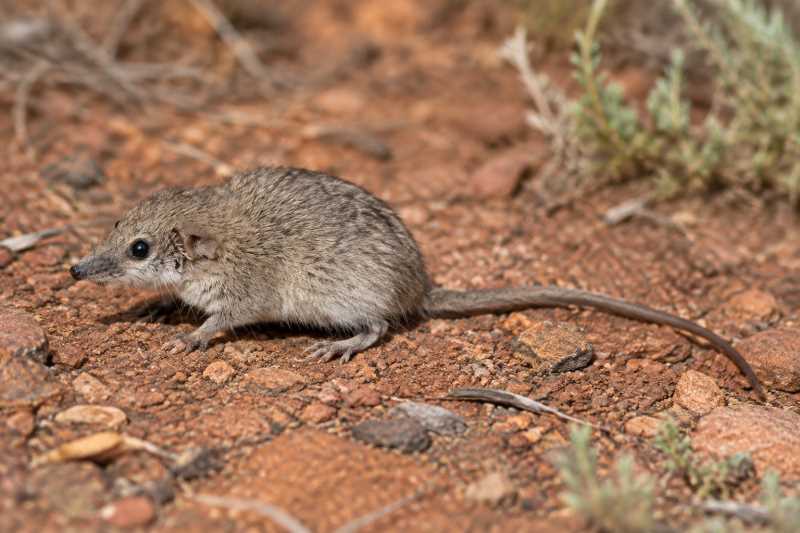
Giles’s Planigale is one of the smallest marsupials in the world, with a body length ranging from 55 to 65 millimeters and a tail length of approximately 50 to 60 millimeters. Adult individuals typically weigh between 4 and 6 grams. Despite their minuscule size, they exhibit a robust and muscular body structure.
Their fur is soft and dense, predominantly grey-brown on the dorsal side, with a lighter, cream-colored underbelly. The small, flattened head and pointed snout are characteristic features, aiding in their burrowing behavior. The ears are small and rounded, while their eyes are relatively large, an adaptation that enhances their nocturnal vision.
Range and Habitat
Giles’s Planigale is endemic to Australia, primarily found in arid and semi-arid regions. Their range includes parts of New South Wales, South Australia, and Queensland. They thrive in habitats characterized by sparse vegetation, such as open woodlands, shrublands, and grasslands.
These marsupials are often associated with areas that have a sandy or loamy soil composition, which facilitates their burrowing lifestyle. They are adept at surviving in environments with extreme temperature fluctuations and limited water availability.
Behavior and Diet
Giles’s Planigale is predominantly nocturnal, spending the daylight hours in the safety of their burrows or under cover. Their activity peaks during the cooler hours of dusk and dawn when they emerge to hunt for food.
Their diet primarily consists of small insects and arthropods, including beetles, spiders, and ants. They are opportunistic feeders and have been known to consume small vertebrates on occasion. Their hunting strategy involves stealth and quick, agile movements to capture prey.
Socially, Giles’s Planigale is mostly solitary, except during the breeding season when males and females come together to mate. The breeding season typically occurs in the spring and early summer, with females giving birth to litters of up to eight young after a short gestation period.
Identification Tips
Identifying Giles’s Planigale in the field can be challenging due to their small size and elusive nature. However, there are several cues that can aid in their recognition:
- Size and Shape: Look for a very small, mouse-like marsupial with a flattened head.
- Fur Color: Note the grey-brown dorsal fur and lighter underbelly.
- Movement: Watch for quick, scuttling movements during the night.
- Habitat: Focus on searching in arid regions with sandy soil.
Conservation Status
The conservation status of Giles’s Planigale is currently listed as Least Concern by the IUCN Red List. However, their populations are subject to several threats that could impact their numbers in the future.
Threats
- Habitat Destruction: Agricultural expansion and land clearing pose significant threats to their natural habitat.
- Climate Change: Altered weather patterns and increased frequency of droughts can affect their survival.
- Predation: Introduced species such as cats and foxes pose a risk to their populations.
Protections
Various conservation programs and protected areas across Australia aim to preserve the habitats of native species like Giles’s Planigale. Continued research and monitoring are crucial to ensure their long-term survival.
Frequently Asked Questions
What is the lifespan of Giles’s Planigale?
Giles’s Planigale typically has a lifespan of about 1 to 2 years in the wild. Factors such as predation and environmental conditions can influence their longevity.
How can I differentiate Giles’s Planigale from other Planigale species?
Key distinguishing features include their smaller size and the specific coloration of their fur. Observing their habitat preferences can also provide clues, as different Planigale species inhabit varied environments.
Are Giles’s Planigales social animals?
No, Giles’s Planigales are mostly solitary creatures. They come together only during the breeding season to mate, after which they return to their solitary lifestyles.
What adaptations do Giles’s Planigale have for survival in arid environments?
Their small size and nocturnal habits help minimize water loss. Additionally, their ability to enter torpor during extreme conditions aids in conserving energy and resources.
How does climate change affect Giles’s Planigale?
Climate change can alter their habitat, reduce food availability, and increase the frequency of extreme weather events, which can impact their survival.
Related posts