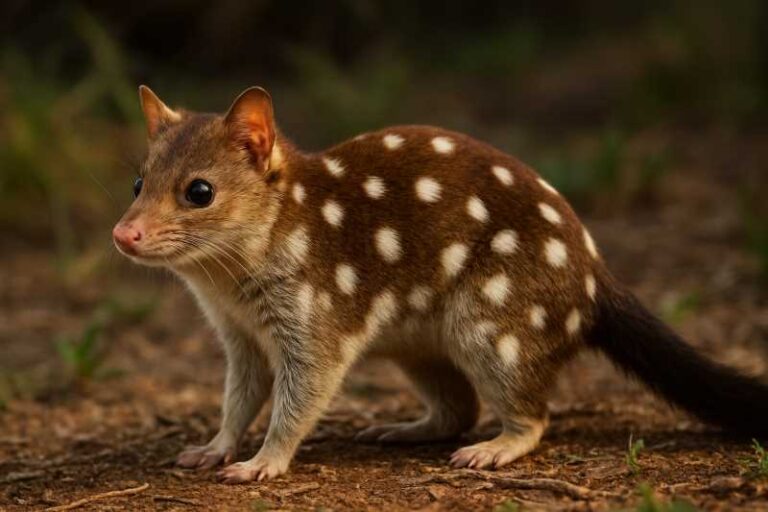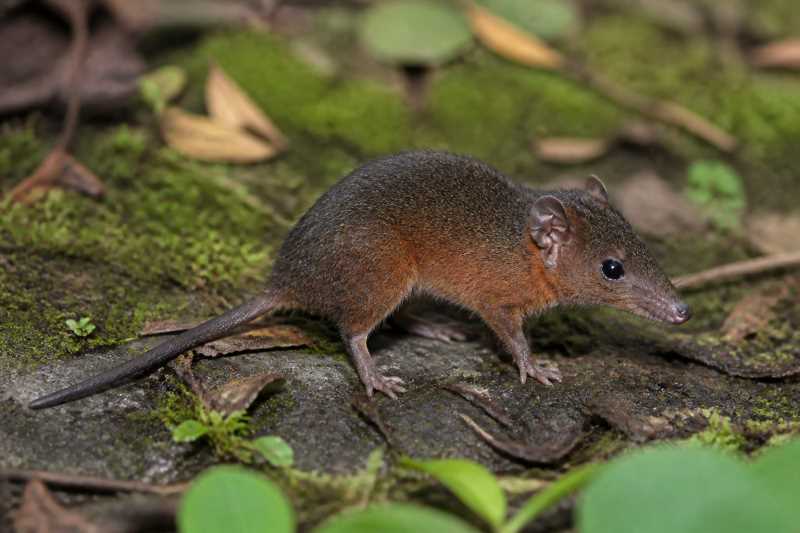
Emilie’s Short-tailed Opossum (Monodelphis emiliae)
Introduction
Emilie’s Short-tailed Opossum (Monodelphis emiliae) is a small marsupial species belonging to the family Didelphidae. Known for its elusive nature and distinctive appearance, this opossum is a fascinating subject for wildlife enthusiasts and researchers alike. This article delves into various aspects of Emilie’s Short-tailed Opossum, including its physical characteristics, habitat, behavior, and conservation status.
Physical Description
Emilie’s Short-tailed Opossum is a diminutive marsupial characterized by its compact body and short tail. The average adult measures about 10 to 14 centimeters in body length, with the tail adding an additional 4 to 7 centimeters. The tail is notably shorter than that of other opossum species and is covered with fine fur. This opossum’s pelage is soft and dense, predominantly displaying a greyish-brown color with a lighter underbelly.
The species exhibits sexual dimorphism, with males typically larger and heavier than females. The facial features are marked by a pointed snout and small, rounded ears, which are often a slightly darker hue than the rest of the body. Their eyes are relatively large, aiding in their nocturnal activities.
Range and Habitat
Emilie’s Short-tailed Opossum is native to the tropical and subtropical regions of South America. Its range primarily includes parts of Brazil, Peru, and Bolivia. This species inhabits diverse ecosystems, from lowland rainforests to montane forests, thriving in areas with dense vegetation that provides ample cover and foraging opportunities.
These opossums are adaptable to various altitudes, although they are most commonly found at elevations ranging from sea level to 2,000 meters. Their preference for dense undergrowth and leaf litter makes them less visible in open areas, contributing to their elusive reputation.
Behavior and Diet
Emilie’s Short-tailed Opossum is primarily nocturnal, spending daylight hours hidden in burrows or among dense foliage. They are solitary creatures, with interactions between individuals mainly occurring during the breeding season.
The diet of Emilie’s Short-tailed Opossum is omnivorous, consisting of a variety of invertebrates, small vertebrates, and plant material. They are opportunistic feeders, adjusting their diet based on the availability of food sources. Insects, fruits, and small mammals are common components of their diet, and they are known to exhibit agile foraging behavior, using their prehensile tail to assist in climbing and grasping.
Identification Tips (Field Recognition Cues)
Identifying Emilie’s Short-tailed Opossum in the wild requires keen observation due to their small size and secretive nature. Key identification tips include:
- Size and Tail: Look for a small opossum with a significantly shorter tail compared to other species.
- Coloration: Note the greyish-brown fur with a lighter underbelly.
- Facial Features: Identify the pointed snout and rounded ears, which are darker than the body.
- Behavior: Observe their nocturnal activity and preference for dense undergrowth.
Conservation Status (With Threats and Protections)
The conservation status of Emilie’s Short-tailed Opossum is currently listed as Least Concern by the International Union for Conservation of Nature (IUCN). However, like many species within tropical ecosystems, they face potential threats from habitat destruction and fragmentation due to deforestation and agricultural expansion.
Conservation efforts focus on preserving natural habitats and promoting sustainable land-use practices. Protected areas within their range, such as national parks and reserves, play a crucial role in safeguarding their populations. Monitoring and research are essential to understanding population trends and the impacts of environmental changes.
Frequently Asked Questions
What is the range of Emilie’s Short-tailed Opossum?
Emilie’s Short-tailed Opossum is found in South America, particularly in Brazil, Peru, and Bolivia, inhabiting tropical and subtropical forests.
How can I identify Emilie’s Short-tailed Opossum in the wild?
Look for a small opossum with a short tail, greyish-brown fur, a lighter underbelly, a pointed snout, and rounded dark ears.
What threats does Emilie’s Short-tailed Opossum face?
The primary threats include habitat destruction and fragmentation due to deforestation and agricultural expansion in their natural habitats.
What does Emilie’s Short-tailed Opossum eat?
This opossum is omnivorous, feeding on invertebrates, small vertebrates, and plant material, with a diet that adjusts based on food availability.
Are Emilie’s Short-tailed Opossums social animals?
No, they are generally solitary, interacting mainly during the breeding season.
Related posts