The Enigmatic Black-backed Thornbill: A Jewel of the Andes
The Black-backed Thornbill (Ramphomicron dorsale) is a fascinating and elusive bird species that captivates ornithologists and birdwatchers alike. Found exclusively in the high-altitude regions of the Andes in Colombia, this hummingbird is a testament to the rich biodiversity of South America. Despite its small size, the Black-backed Thornbill is an integral part of its ecosystem, attracting attention for its unique characteristics and the challenges it faces in survival.
A Glimpse into the World of the Black-backed Thornbill
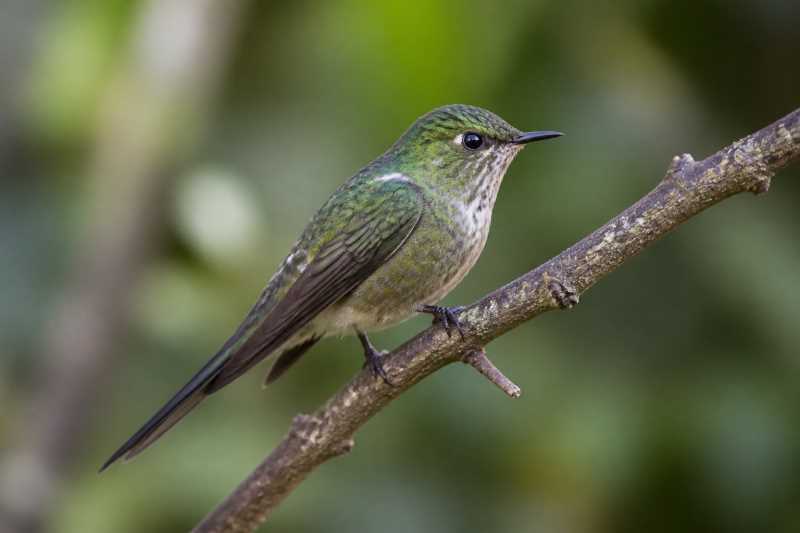
The Black-backed Thornbill is part of the Trochilidae family, which encompasses all hummingbirds. Known for its iridescent plumage and rapid wing beats, the thornbill stands out due to its distinctive appearance and behavioral traits. As its name suggests, the bird is characterized by its black back, which contrasts starkly with its iridescent green and purple hues. This coloration not only aids in camouflage among the dense foliage of its habitat but also plays a role in mating displays.
Measuring approximately 10 cm in length, the Black-backed Thornbill is a small bird, even by hummingbird standards. Its slender bill and rapid flight patterns enable it to access nectar from a variety of flowering plants, making it an essential pollinator in its environment. The bird’s agility and speed, with wing beats reaching up to 80 times per second, allow it to hover in place and navigate the challenging terrain of the Andes with ease.
Habitat and Distribution
The Black-backed Thornbill is endemic to Colombia, primarily inhabiting the montane forests of the Andes. These birds prefer altitudes ranging from 2,400 to 3,400 meters, where they reside in cloud forests and elfin woodlands. The dense vegetation and high humidity of these areas provide an ideal environment for the thornbill to thrive.
Due to its limited range and specific habitat requirements, the Black-backed Thornbill is considered a species of conservation concern. Habitat loss from agricultural expansion, logging, and climate change poses significant threats to its survival. Conservation efforts are crucial to preserving the natural landscapes where these hummingbirds live and ensuring the continuation of their role in the ecosystem as pollinators.
Feeding and Behavior
The diet of the Black-backed Thornbill primarily consists of nectar from a variety of flowering plants native to the Andean region. The bird’s long, specialized bill allows it to extract nectar efficiently while its tongue, capable of rapid extension and contraction, ensures maximum nutrient intake. In addition to nectar, the thornbill occasionally consumes small insects and spiders, providing a source of protein to complement its diet.
These hummingbirds are solitary by nature, typically only coming together during breeding seasons. Males are known for their territorial behavior, often engaging in aerial displays to defend their feeding grounds from intruders. The courtship rituals involve elaborate displays of plumage and acrobatics, designed to attract females and establish dominance.
Reproduction and Lifecycle
The breeding season for the Black-backed Thornbill aligns with the availability of resources in its mountainous habitat. During this time, males perform intricate courtship displays to attract potential mates. Once a pair has formed, the female takes on the responsibility of nest building and rearing the young.
Nests are constructed from plant fibers, moss, and lichen, often camouflaged to blend seamlessly with their surroundings. The female lays two eggs, which she incubates for about two weeks. After hatching, the chicks are fed a diet rich in regurgitated nectar and insects, allowing them to grow rapidly in preparation for fledging. The young birds leave the nest approximately three weeks after hatching, fully equipped to begin their independent lives.
Conservation Status and Challenges
The Black-backed Thornbill is currently listed as Near Threatened on the IUCN Red List of Threatened Species. The primary threats to its survival stem from habitat destruction and fragmentation. Agricultural development, deforestation, and climate change are significant factors contributing to the loss of suitable habitat for these birds.
Conservation efforts are underway to protect the natural habitats of the Black-backed Thornbill. Initiatives include the establishment of protected areas, reforestation projects, and community engagement programs aimed at promoting sustainable land-use practices. By fostering awareness and encouraging local involvement, conservationists hope to secure a future for this remarkable species.
Conclusion
The Black-backed Thornbill is a symbol of the unique biodiversity found in the Andes, embodying the delicate balance of nature within its high-altitude ecosystems. Its vibrant presence and ecological role as a pollinator underscore the importance of conservation efforts to protect this species and its habitat. As we continue to learn more about the Black-backed Thornbill, we gain valuable insights into the intricate web of life that thrives in the Andean mountains and the steps we must take to preserve it for future generations.
Related posts