The Taiwan Bullfinch: An Endemic Avian Jewel of the East
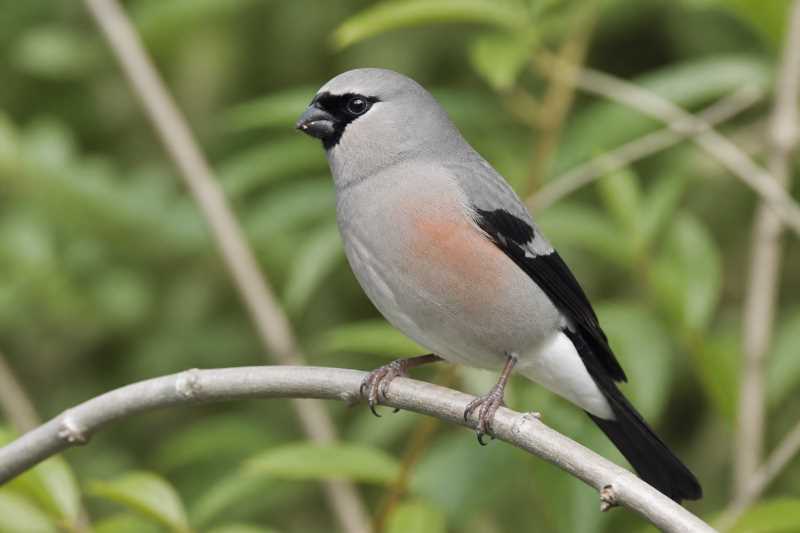
Nestled in the lush, verdant forests of Taiwan is a small, striking bird that captures the attention of ornithologists and nature enthusiasts alike: the Taiwan Bullfinch (Pyrrhula owstoni). This bird, with its unique characteristics and ecological significance, serves as both an emblem of Taiwan’s rich biodiversity and a subject of interest for avian studies.
Taxonomy and Description
The Taiwan Bullfinch, known scientifically as Pyrrhula owstoni, belongs to the family Fringillidae, which includes other finches. It was first described by Ogilvie-Grant in 1906, and has since been recognized as a distinct species endemic to Taiwan. The bird is relatively small, with adults measuring about 15 to 16 centimeters in length.
Morphologically, the Taiwan Bullfinch exhibits a robust body with a characteristic large, conical bill adapted for seed consumption. Males generally display a striking black crown, nape, and face, contrasted by a vibrant rose-pink breast and underparts. The females, while similar in stature, are more subdued in coloration, exhibiting a more muted brownish tone, which provides effective camouflage in their arboreal habitat.
Habitat and Distribution
The Taiwan Bullfinch is exclusively found in Taiwan, with its habitat primarily located in the temperate and subalpine forests of the central and northern regions. The bird favors mixed coniferous and broadleaf forests, thriving at altitudes ranging from 1,500 to 3,000 meters. These high-altitude forests provide the necessary resources and conditions for the Taiwan Bullfinch to prosper, such as a rich supply of seeds, berries, and insects.
The distribution of the Taiwan Bullfinch is limited, but within its range, it is often observed in small flocks, especially outside the breeding season. This social behavior plays a crucial role in their foraging strategy and offers protection against predators.
Diet and Foraging Behavior
Primarily granivorous, the Taiwan Bullfinch’s diet consists of seeds, buds, and fruits, which are abundant in its forested habitat. Its strong bill is adept at cracking open hard seed coats, allowing it access to the nutritious contents within. In addition to seeds, the bird occasionally supplements its diet with insects, particularly during the breeding season when protein demand is higher.
Foraging is typically conducted in the mid to upper canopy, where the bullfinch skillfully hops from branch to branch in search of food. This behavior not only optimizes their foraging efficiency but also minimizes competition with other seed-eating species that may occupy different vertical strata of the forest.
Breeding and Reproduction
Breeding in the Taiwan Bullfinch occurs from April to June. During this period, the males engage in elaborate displays to attract females, often involving song and visual posturing. Once a pair bond is established, both the male and female participate in selecting a nesting site, usually a concealed location within dense foliage or a conifer.
The nest itself, built by both sexes, is a cup-like structure composed of twigs, moss, and lichens, designed to blend seamlessly with the surrounding environment. A typical clutch consists of 3 to 5 eggs, which the female incubates for about two weeks. Post-hatching, both parents share responsibilities in feeding and caring for the chicks until they fledge, usually within three weeks.
Conservation Status
Despite its limited range, the Taiwan Bullfinch is currently classified as a species of "Least Concern" by the International Union for Conservation of Nature (IUCN). However, this status does not imply that the species is free from threats. Habitat loss due to deforestation and climate change poses significant risks to its population stability.
Conservation efforts in Taiwan are vital to ensure the survival of the Taiwan Bullfinch. Initiatives aimed at preserving its natural habitat, along with research into its ecology and population dynamics, are essential steps toward safeguarding this unique avian species.
Cultural and Ecological Significance
Beyond its ecological role as a seed disperser and insect predator, the Taiwan Bullfinch holds cultural significance for the people of Taiwan. It is often regarded as a symbol of the island’s natural beauty and biodiversity, inspiring conservation awareness and environmental appreciation among locals and tourists alike.
In conclusion, the Taiwan Bullfinch is a remarkable example of the island’s unique wildlife. Its presence in Taiwan’s montane forests underscores the importance of conservation efforts to protect these critical habitats. As a species that captivates both the scientific community and the general public, the Taiwan Bullfinch serves as a vibrant reminder of the delicate balance within nature and the ongoing need to preserve it for future generations.
Related posts