The Fujian Niltava: An Avian Jewel of Southeast Asia
In the verdant forests of Southeast Asia, a vibrant bird known as the Fujian Niltava (Niltava davidi) captivates both birdwatchers and ornithologists alike. This small passerine bird, with its striking plumage and melodious song, is a testament to the rich biodiversity of the region. As an integral part of its ecosystem, the Fujian Niltava plays a crucial role in the ecological balance, making its conservation a topic of significant importance.
Physical Characteristics and Identification
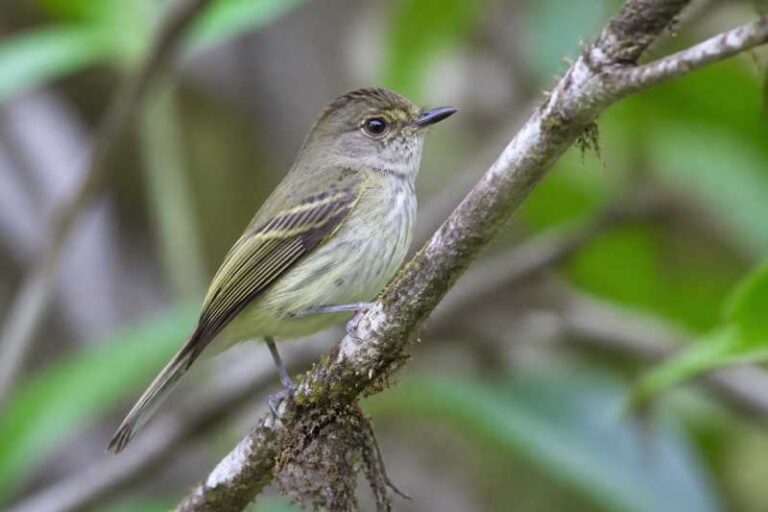
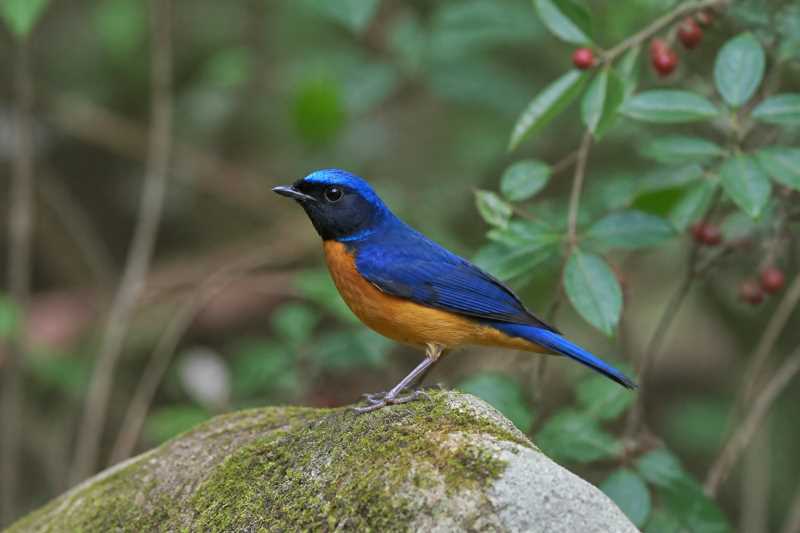
The Fujian Niltava is a member of the Muscicapidae family, which encompasses a diverse group of small, insectivorous birds. It is renowned for its striking coloration, which varies between the sexes—a characteristic known as sexual dimorphism. The male Fujian Niltava is particularly eye-catching, with its deep blue upperparts, including the head, back, and tail, contrasted by a vibrant orange throat and chest. The female, while more subdued, possesses a charming beauty with her olive-brown plumage and subtle orange wash on the throat and breast.
These birds measure approximately 16 to 18 centimeters in length, making them relatively small. Their wings are short and rounded, adapted for maneuverability through dense forest canopies. Both sexes have a distinctive black eye stripe that enhances their striking facial features.
Habitat and Distribution
The Fujian Niltava inhabits a range of forested environments, from subtropical to tropical regions. It is predominantly found in the dense, humid forests of southeastern China, particularly in the Fujian province, from which it derives its name. The bird’s range extends into parts of northeastern India and northern Indochina, including Vietnam and Laos.
These habitats provide the necessary resources for the Fujian Niltava, including ample food supply and nesting sites. The bird’s preference for dense undergrowth and forest edges affords it the cover needed to avoid predators while foraging for insects and small invertebrates.
Behavior and Diet
The Fujian Niltava is primarily insectivorous, feeding on a diet of beetles, caterpillars, and other small arthropods. It employs a "sit-and-wait" strategy, perching quietly before swooping down to catch prey with its sharp beak. This hunting technique is complemented by the bird’s keen eyesight, which allows it to detect movement from a considerable distance.
In addition to its feeding habits, the Fujian Niltava is noted for its vocalizations. The males, in particular, are known for their melodious songs, which they use to establish territory and attract mates. These songs, comprising a series of clear, whistling notes, contribute to the cacophony of sounds that characterize the Southeast Asian forests.
Breeding and Conservation
Breeding season for the Fujian Niltava typically occurs in the spring and early summer months. During this time, males engage in elaborate courtship displays, showcasing their plumage and vocal prowess to prospective mates. The female constructs a cup-shaped nest, often hidden in dense vegetation or tree crevices, where she lays a clutch of two to four eggs. Both parents participate in feeding and raising the chicks until they are ready to fledge.
Despite its seemingly stable population, the Fujian Niltava faces threats from habitat destruction and fragmentation, primarily due to deforestation and land conversion for agriculture. These activities reduce the available habitat for the species, hindering its ability to find food and breeding sites.
Conservation efforts are crucial to ensure the survival of the Fujian Niltava. Protective measures, such as establishing nature reserves and promoting sustainable land-use practices, are vital in preserving the bird’s natural habitat. Additionally, raising public awareness about the importance of biodiversity and the threats facing these birds can foster community support for conservation initiatives.
Conclusion
The Fujian Niltava, with its vibrant plumage and enchanting song, is more than just a visual delight—it is a vital component of its ecosystem. Protecting this avian gem requires concerted efforts from conservationists, governments, and local communities. By safeguarding the natural habitats of the Fujian Niltava, we ensure the preservation of not only this remarkable species but also the intricate web of life that thrives in the forests of Southeast Asia.
Related posts