The Unique and Enigmatic Visayan Rhabdornis: A Jewel of the Philippines
The Visayan Rhabdornis (Rhabdornis rabori) is a captivating bird species endemic to the Philippines, particularly found in the Visayan region. It is a member of the family Sturnidae and is often referred to as the "Visayan Creeper." This small yet striking bird is noted for its distinctive plumage and intriguing behaviors, making it a subject of interest for ornithologists and bird enthusiasts alike.
Taxonomy and Classification
The Rhabdornis genus, to which the Visayan Rhabdornis belongs, comprises four species, all of which are endemic to the Philippines. The species was named in honor of the renowned Filipino ornithologist Dr. Dioscoro S. Rabor, who made significant contributions to the study and conservation of Philippine wildlife. The Visayan Rhabdornis is scientifically categorized under the order Passeriformes, family Sturnidae, and subfamily Rhabdornithinae.
Physical Description
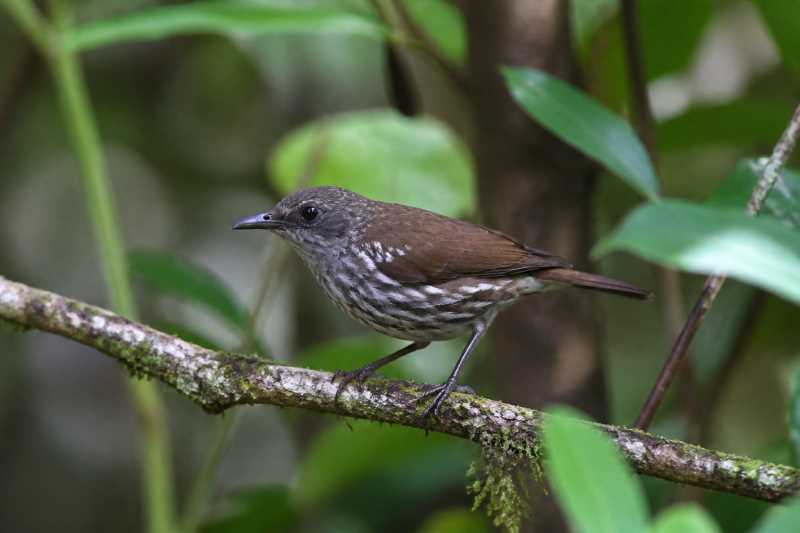
The Visayan Rhabdornis is a small bird, measuring approximately 15 centimeters in length. It is characterized by its olive-brown upperparts and white underparts, which are subtly streaked with brown. Its most distinctive feature is the black and white streaking on its throat and breast, along with a conspicuous white eyebrow stripe that gives it a unique facial expression. The bill of the Visayan Rhabdornis is slender and slightly decurved, adapted for its feeding habits.
Habitat and Distribution
As its name suggests, the Visayan Rhabdornis is primarily found in the Visayan islands of the Philippines, including Panay, Negros, and Cebu. This species inhabits tropical and subtropical moist broadleaf forests, often preferring the canopy and midstory layers. It is typically found at elevations ranging from 200 to 1,800 meters, thriving in both primary and secondary forests, though it shows a preference for the undisturbed primary forests.
Behavior and Ecology
The Visayan Rhabdornis is known for its active foraging behavior, often seen hopping along tree trunks and branches in search of insects, spiders, and small fruits. Its feeding habits are reminiscent of nuthatches and treecreepers, as it uses its strong feet and claws to navigate the bark of trees efficiently. The species is typically observed in pairs or small family groups, exhibiting a social structure that aids in territorial defense and foraging.
Vocalizations play a crucial role in the life of the Visayan Rhabdornis. Its calls are a series of high-pitched notes and whistles, used for communication between mates and to signal alarm when predators are near. These vocal interactions are essential for maintaining pair bonds and coordinating activities within groups.
Conservation Status
The Visayan Rhabdornis is currently classified as "Near Threatened" by the International Union for Conservation of Nature (IUCN). The primary threat facing this species is habitat loss due to deforestation and land conversion for agriculture and urban development. The degradation of forest habitats poses a significant risk to its survival, as it relies heavily on forested environments for food, shelter, and nesting.
Conservation efforts are underway to protect the remaining habitats of the Visayan Rhabdornis. Initiatives include the establishment of protected areas, reforestation projects, and community-based conservation programs aimed at promoting sustainable land use practices. Raising awareness about the ecological importance of this species and its habitat is crucial to ensuring its continued survival.
The Cultural and Ecological Significance
The Visayan Rhabdornis holds a special place in the biodiversity of the Philippines. As an endemic species, it represents the unique evolutionary history of the archipelago’s avian fauna. Its presence in the forest ecosystems contributes to the ecological balance, playing a role in insect population control and seed dispersal through its feeding activities.
Moreover, the Visayan Rhabdornis is a symbol of the rich natural heritage of the Philippines, inspiring conservation efforts and fostering a sense of pride among local communities. Its conservation is not only vital for maintaining biodiversity but also for preserving the cultural identity linked to the natural landscapes of the Visayan region.
Conclusion
The Visayan Rhabdornis is more than just a bird; it is a testament to the beauty and diversity of life in the Philippines. Protecting this species requires concerted efforts from conservationists, local communities, and policymakers. By preserving its habitat and promoting sustainable practices, we can ensure that future generations will continue to marvel at the Visayan Rhabdornis and the vibrant ecosystems it inhabits. The story of Rhabdornis rabori is a reminder of the urgent need to balance human progress with the preservation of our planet’s invaluable natural resources.
Related posts