An In-Depth Look at the Spotted Antbird (Hylophylax naevioides)
The Spotted Antbird (Hylophylax naevioides) is a captivating bird species that inhabits the dense, humid rainforests of Central and South America. Known for its distinctive plumage and intriguing behaviors, the Spotted Antbird plays a vital role in its ecosystem. This article delves into the biology, behavior, habitat, and conservation status of this fascinating avian species.
Taxonomy and Description
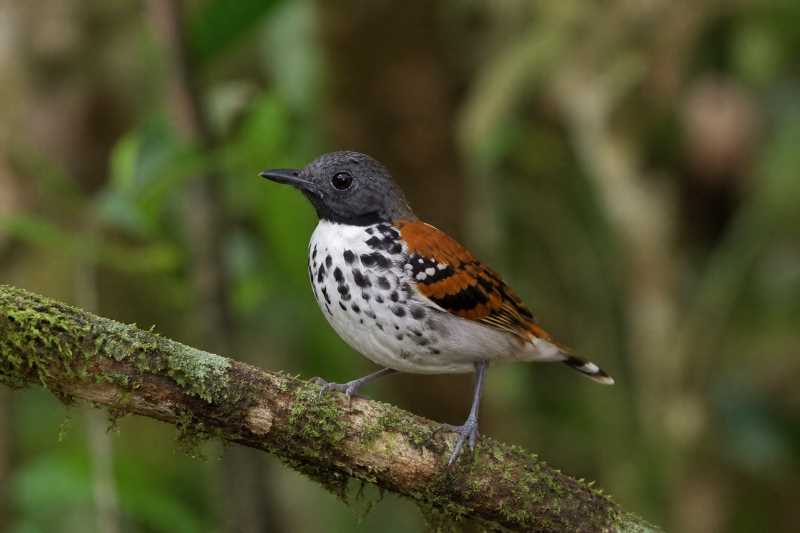
The Spotted Antbird belongs to the family Thamnophilidae, which includes more than 200 species of antbirds. Scientifically named Hylophylax naevioides, this bird is recognized by its small size, measuring approximately 13 centimeters in length and weighing around 18 grams. Its most striking feature is its plumage; males sport a black and white speckled pattern on their backs and wings, while females exhibit a more subdued brownish color with similar spotting. Both sexes have a distinctive eye ring that is bright blue, adding to their visual appeal.
The Spotted Antbird’s plumage serves as an effective camouflage in its rainforest habitat, allowing it to blend seamlessly with the dappled sunlight filtering through the canopy. This camouflage is critical for avoiding predators and for stealthily approaching prey.
Habitat and Distribution
The natural habitat of the Spotted Antbird spans the lowland rainforests and tropical forests from southern Mexico, through Central America, and into western Colombia and Ecuador. These birds are typically found in the understory and mid-story layers of the forest, where they can easily navigate through the dense vegetation.
Spotted Antbirds prefer habitats with a thick canopy and abundant leaf litter, which provide excellent cover and foraging opportunities. The moist environment of these rainforests supports a rich diversity of insects and other arthropods, which are the primary food sources for these birds.
Behavior and Diet
Spotted Antbirds are known for their unique feeding habits. They are insectivores, primarily feeding on ants, beetles, spiders, and other small invertebrates. However, they are most famous for their symbiotic relationship with army ants. As army ants march through the forest floor in large numbers, they flush out insects and other small creatures from their hiding places. Spotted Antbirds follow these ant swarms, taking advantage of the disturbed prey, a behavior known as "ant-following."
This relationship is not parasitic but rather commensal, as the ants are unaffected by the presence of the birds, while the birds gain access to a reliable food source. This behavior also highlights the Spotted Antbird’s adaptability and intelligence in exploiting available resources within its environment.
In addition to their foraging behavior, Spotted Antbirds are known for their vocalizations. They communicate using a series of whistles and chirps, which play a crucial role in territory defense and mate attraction. Both males and females are vocal, with the male’s song being slightly more complex.
Reproduction and Lifespan
Spotted Antbirds are monogamous and typically form long-term pair bonds. They breed during the wet season when food is abundant, which increases the chances of successfully raising their young. The female typically lays two eggs in a cup-shaped nest constructed from leaves, twigs, and other plant materials.
Both parents take part in incubating the eggs and feeding the chicks once they hatch. The incubation period lasts about two weeks, and the chicks fledge approximately 10-12 days after hatching. Parental investment is high, with both parents continuing to care for the fledglings for several weeks post-fledging.
The lifespan of Spotted Antbirds in the wild is not well-documented, but similar species in the Thamnophilidae family are known to live up to 10 years.
Conservation Status
Currently, the Spotted Antbird is classified as "Least Concern" by the International Union for Conservation of Nature (IUCN). However, like many rainforest species, it faces threats from habitat destruction due to logging, agriculture, and urbanization.
Conservation efforts are vital to preserving the Spotted Antbird’s habitat. Protecting large areas of intact rainforest and implementing sustainable land-use practices are essential strategies for ensuring the survival of this species. Additionally, raising awareness about the ecological importance of rainforest ecosystems can help garner support for conservation initiatives.
Conclusion
The Spotted Antbird is a remarkable species whose presence highlights the intricate web of life found within tropical rainforests. Its unique behaviors, such as ant-following and complex vocal communication, offer insights into the adaptability and resilience of rainforest avifauna. As we continue to study and conserve these birds, we not only ensure their survival but also contribute to the health and stability of the ecosystems they inhabit.
Understanding and appreciating the Spotted Antbird’s role in its environment underscores the importance of biodiversity and the need for ongoing conservation efforts in our planet’s rainforests.
Related posts