Introduction
The Alpine Long-eared Bat, scientifically known as Plecotus macrobullaris, is a fascinating species that thrives in the high-altitude regions of Europe and parts of Asia. This elusive mammal is a member of the Vespertilionidae family and is known for its distinctive long ears and unique adaptations to alpine environments. Bats play a critical role in ecosystems as insect predators and plant pollinators, making the Alpine Long-eared Bat an essential component of its habitat.
Understanding the biology and ecology of the Alpine Long-eared Bat is crucial for conservation efforts, especially as its natural habitat faces increasing threats from climate change and human activities. This article delves into the physical characteristics, habitat preferences, behaviors, and conservation status of this remarkable bat species.
Physical Description
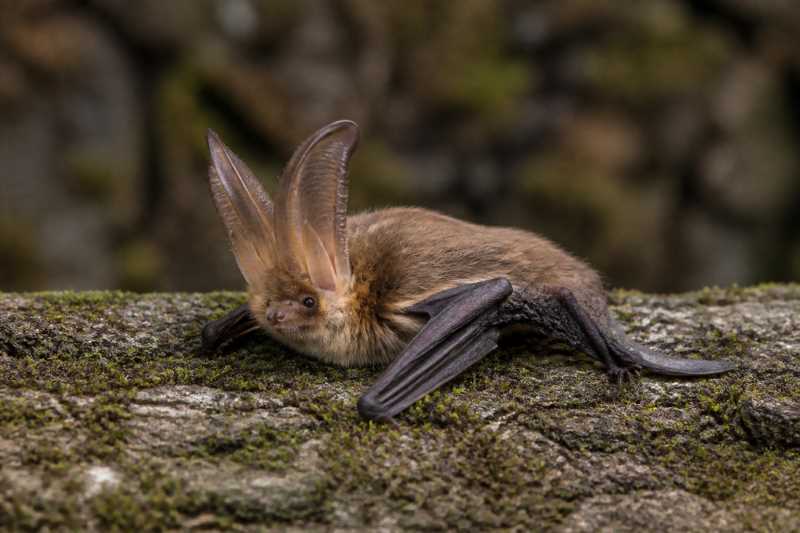
The Alpine Long-eared Bat is easily recognizable due to its notably large ears, which can measure up to 38 mm in length, about the same size as its body. These ears are not only a defining feature but also play a vital role in the bat’s echolocation abilities, allowing it to navigate and hunt efficiently in its mountainous habitat.
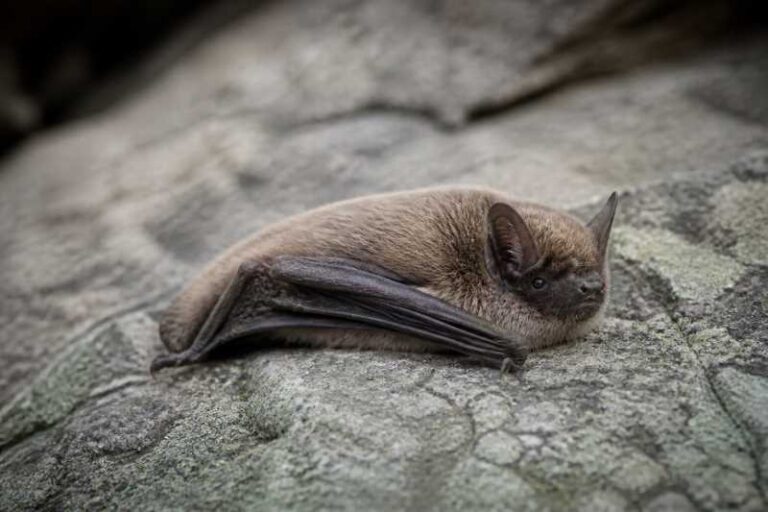
This species has a wingspan ranging from 240 to 285 mm and a body length of 45 to 55 mm. The fur of the Alpine Long-eared Bat is generally a grayish-brown color, providing camouflage against the rocky and wooded environments it inhabits. The underparts are lighter, often a creamy white, which helps with thermal regulation.
Range and Habitat
Plecotus macrobullaris is predominantly found in the mountainous regions of Europe, including the Alps, Pyrenees, and Carpathians. Its distribution extends to parts of Asia, covering areas such as Turkey and Iran. The bat prefers high-altitude habitats, typically ranging from 500 to 2,500 meters above sea level.
The Alpine Long-eared Bat is adapted to a variety of environments, including deciduous and coniferous forests, alpine meadows, and rocky terrains. It often roosts in crevices, caves, and sometimes in old buildings or attics, taking advantage of the shelter these structures provide.
Behavior and Diet
Alpine Long-eared Bats are nocturnal creatures, emerging at dusk to hunt and feed. Their diet primarily consists of small insects, which they skillfully capture using their acute echolocation abilities. Moths, beetles, and other flying insects form the bulk of their intake, although they are known to consume spiders and other arthropods when available.
These bats are solitary or found in small groups. During the breeding season, females may form maternity colonies where they give birth to and rear their young. The mating season occurs in late summer or early autumn, with a delayed fertilization process ensuring that young are born in favorable conditions during the spring.
Identification Tips (Field Recognition Cues)
- Ears: Look for the exceptionally long ears, which are almost as long as the bat’s body.
- Coloration: Note the grayish-brown fur with lighter underparts.
- Flight Pattern: Observed at dusk, the bat’s flight is agile and maneuverable, often close to vegetation where insects are plentiful.
- Roosting Sites: Check crevices, caves, and buildings in high-altitude areas.
Conservation Status (With Threats and Protections)
The Alpine Long-eared Bat is currently listed as Least Concern by the International Union for Conservation of Nature (IUCN). However, it faces several threats that could impact its populations in the future. Habitat destruction due to urban expansion and deforestation is a significant concern, as is climate change, which alters the ecosystems these bats rely on.
Conservation efforts focus on habitat protection and management, ensuring that roosting sites are preserved and that foraging habitats are maintained. Legal protections in several countries aim to mitigate human impact, but ongoing monitoring and research are essential to understand better and address the challenges faced by this species.
Frequently Asked Questions
What is the primary diet of the Alpine Long-eared Bat?
The Alpine Long-eared Bat primarily feeds on small insects, including moths and beetles, which it catches using echolocation.
Where can the Alpine Long-eared Bat be found?
This bat species is found in high-altitude regions of Europe and parts of Asia, including the Alps, Pyrenees, and Carpathians.
How does the Alpine Long-eared Bat use its ears?
The bat’s large ears are crucial for echolocation, allowing it to navigate and hunt insects effectively even in the dark.
What are the main threats to the Alpine Long-eared Bat?
Habitat destruction, climate change, and human disturbances are the primary threats to the Alpine Long-eared Bat.
How can you identify an Alpine Long-eared Bat?
Look for its long ears, grayish-brown fur, and its agile flight pattern at dusk near vegetation.
Related posts