
The Spectacled Spiderhunter: Nature’s Enigmatic Nectar Gatherer
The Spectacled Spiderhunter, scientifically known as Arachnothera flavigaster, is a captivating bird that has piqued the interest of ornithologists and bird enthusiasts alike. As a member of the Nectariniidae family, this remarkable species is renowned for its unique feeding habits, distinctive appearance, and significant role in its native ecosystems. In this article, we delve into the fascinating world of the Spectacled Spiderhunter, exploring its habitat, behavior, ecological importance, and conservation status.
Habitat and Distribution
The Spectacled Spiderhunter is predominantly found in the tropical and subtropical regions of Southeast Asia. Its range extends across the Malay Peninsula, Sumatra, and Borneo, where it thrives in a variety of habitats, including lowland forests, mangroves, and even cultivated areas. These environments offer the spiderhunter an abundance of resources necessary for its survival, such as flowering plants and insects.
The bird’s preference for dense, humid forest areas is attributed to its reliance on nectar and insects as primary food sources. The forest canopy provides ample opportunities for foraging, while the undergrowth offers shelter and nesting sites. Despite its adaptability, habitat destruction due to logging and agricultural expansion poses significant threats to its natural environment.
Physical Characteristics
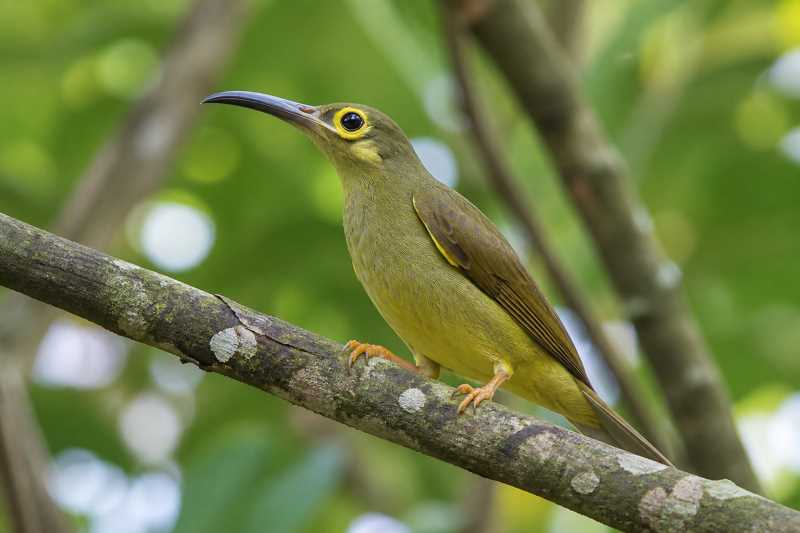
The Spectacled Spiderhunter is a medium-sized bird, measuring approximately 17 to 20 centimeters in length. One of its most distinctive features is the striking spectacle-like markings around its eyes, from which it derives its common name. These markings, combined with its olive-green plumage and yellowish underparts, make it an easily recognizable species among birdwatchers.
The bird’s long, curved bill is perfectly adapted for its diet, allowing it to reach deep into flowers to extract nectar. This specialized bill, along with a brush-tipped tongue, enables the Spectacled Spiderhunter to efficiently gather its primary food source. Additionally, its strong legs and sharp claws are ideal for clinging to branches and navigating through dense foliage.
Behavior and Diet
As its name suggests, the Spectacled Spiderhunter is primarily a nectarivore, feeding on the sweet nectar of various flowering plants. However, its diet is not exclusively nectar-based; it also consumes a wide range of insects and spiders. This opportunistic feeding behavior makes it a vital component of its ecosystem, as it plays a role in both pollination and insect population control.
The bird is known for its active foraging habits, often seen flitting from flower to flower in search of food. It is a solitary feeder, although it may occasionally be observed in pairs or small groups. The Spectacled Spiderhunter’s call is a series of high-pitched, melodious notes that echo through the forest, serving as a communication tool and territorial marker.
Ecological Importance
The ecological role of the Spectacled Spiderhunter extends beyond its feeding habits. As a pollinator, it contributes to the reproductive success of numerous plant species, facilitating the transfer of pollen as it moves between flowers. This mutualistic relationship underscores the bird’s importance in maintaining the health and diversity of its habitat.
Moreover, by preying on insects and spiders, the Spectacled Spiderhunter helps regulate the population of these invertebrates, maintaining a balanced ecosystem. This predatory behavior indirectly benefits plant species by reducing herbivorous pest populations.
Conservation Status
The International Union for Conservation of Nature (IUCN) currently lists the Spectacled Spiderhunter as a species of Least Concern. However, this status does not imply that the species is free from threats. Habitat loss due to deforestation and land conversion for agriculture remains a significant challenge, leading to the fragmentation of its natural habitat.
Conservation efforts are crucial to safeguard the future of the Spectacled Spiderhunter and other forest-dependent species. Protecting and restoring natural habitats, implementing sustainable land-use practices, and raising awareness about the importance of biodiversity are essential steps in ensuring the long-term survival of this remarkable bird.
Conclusion
The Spectacled Spiderhunter is a testament to the intricate relationships that exist within natural ecosystems. Its unique adaptations, ecological contributions, and striking appearance make it a subject of fascination and admiration. As we continue to explore and understand the complexities of the natural world, the Spectacled Spiderhunter serves as a reminder of the delicate balance that sustains life on our planet.
In conclusion, the Spectacled Spiderhunter is not merely a bird of beauty but an integral part of its ecosystem. Protecting its habitat and ensuring its conservation is a responsibility that extends beyond borders, reflecting our commitment to preserving the biodiversity that enriches our world.
Related posts


