The White-fronted Ground Dove: A Rare Jewel of the Pacific
The White-fronted Ground Dove, or Pampusana kubaryi, is a captivating species of bird that holds a special place in the biodiversity of the Pacific region. Known for its distinct appearance and elusive nature, this avian gem is a vital component of its ecosystem, yet remains under threat due to various environmental pressures. Understanding the characteristics, habitat, and conservation challenges of the White-fronted Ground Dove provides insight into the broader efforts needed to preserve our planet’s biological diversity.
Description and Characteristics
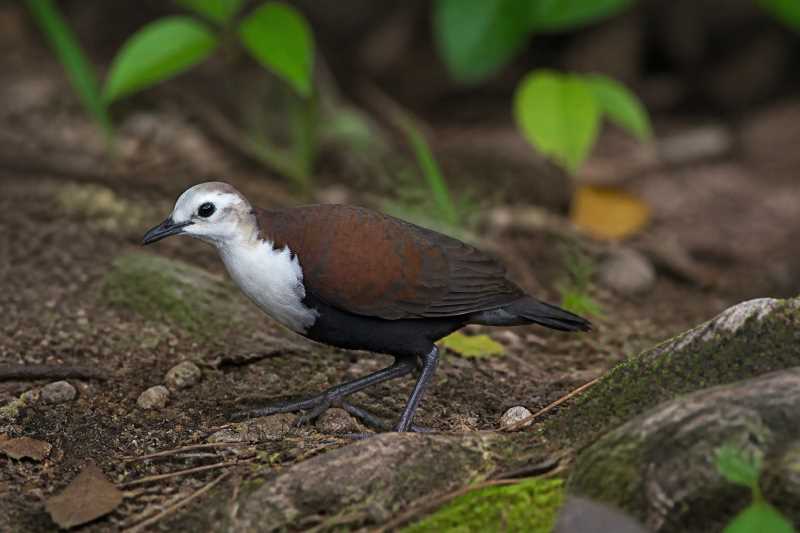
The White-fronted Ground Dove is a medium-sized bird, measuring approximately 28-30 centimeters in length. Its plumage is predominantly dark with a striking white forehead and face, which contrasts beautifully against its dark wings and body. This distinctive white-fronted appearance is what gives the species its name. The dove exhibits a combination of iridescent greens and purples on its neck and upper back, making it a visually appealing species to birdwatchers and researchers alike.
Males and females share a similar appearance, though males are often slightly larger with more pronounced iridescent coloring. The eyes of the White-fronted Ground Dove are typically a deep ruby red, adding another layer of allure to its already remarkable appearance.
Habitat and Distribution
This species is native to the Northern Mariana Islands and was once more widespread across this Pacific archipelago. Historically, the White-fronted Ground Dove inhabited a range of forested environments, from coastal areas to upland forests. However, its current distribution is severely limited.
The primary habitats for the White-fronted Ground Dove are subtropical or tropical dry forests, moist lowland forests, and moist shrubland. These environments provide the necessary resources for the doves to feed, breed, and nest. Unfortunately, habitat destruction due to deforestation and development poses a significant threat to these crucial areas.
Behavior and Diet
As ground doves, these birds spend a significant amount of their time foraging on the forest floor. Their diet consists mainly of seeds, fallen fruits, and occasionally small invertebrates. The foraging behavior of the White-fronted Ground Dove plays an important role in seed dispersion, contributing to the health and regeneration of their forest habitats.
The White-fronted Ground Dove is known for its shy and elusive nature, making it a challenge for researchers to study in the wild. They are generally solitary or found in pairs, and their flight is swift and direct, often staying close to the ground to avoid predators.
Conservation Status and Challenges
The White-fronted Ground Dove is classified as Vulnerable on the IUCN Red List. The primary threats to its survival are habitat loss, predation by introduced species, and human disturbance. The introduction of invasive species such as brown tree snakes and feral cats has had a devastating impact on the dove populations, as these predators prey on both adult doves and their eggs.
Conservation efforts are underway to protect the remaining populations of the White-fronted Ground Dove. Habitat restoration projects aim to rehabilitate and preserve the native forests that these doves depend on. Additionally, predator control measures are being implemented to reduce the threat from invasive species.
The success of conservation programs is dependent on continued research and monitoring of the dove populations. Community involvement and education are also crucial, as local support can significantly enhance the effectiveness of conservation initiatives.
The Importance of Preservation
The White-fronted Ground Dove is not only a symbol of the unique biodiversity found in the Pacific islands but also an indicator of the health of its ecosystem. Protecting this species means ensuring the stability and resilience of the island habitats that many other species rely on.
Preserving such a rare and beautiful bird requires a collaborative effort between governments, conservation organizations, and local communities. By prioritizing the conservation of the White-fronted Ground Dove, we contribute to the broader goal of maintaining global biodiversity and ensuring that future generations can appreciate the natural wonders of the world.
In conclusion, the White-fronted Ground Dove is a testament to the rich diversity of life found in the Pacific region. Its continued survival depends on our commitment to conservation and sustainable practices. As we strive to protect this species, we also take a step towards safeguarding the intricate web of life that sustains our planet.
Related posts